Are Vegetal Proteins Healthier Than Animal Proteins in 2026?

Time:2026-07-06 Author:Henry
0%

As we approach the year 2026, a crucial question emerges: are vegetal proteins healthier than animal proteins? This inquiry reflects a growing interest in plant-based diets. More people are considering the health implications of their food choices. Many studies suggest that vegetal proteins may offer significant nutritional benefits. They often come with fewer saturated fats and more fiber. These factors can lead to better heart health and overall wellness.

However, the conversation is not straightforward. While plant proteins have benefits, they also have limitations. Some essential amino acids found in animal proteins might be lacking in certain plant sources. This raises important questions about protein completeness. Moreover, individual dietary needs and preferences can greatly influence health outcomes.

In the face of this debate, it is essential to evaluate credible research. Nutrition experts emphasize the importance of balance and variety in our diets. A one-size-fits-all approach may not serve everyone well. Thus, as we navigate this topic, we must reflect on our own dietary choices. Are we prioritizing health, or are we swayed by trends? Balancing evidence with personal experience can lead to better-informed decisions.
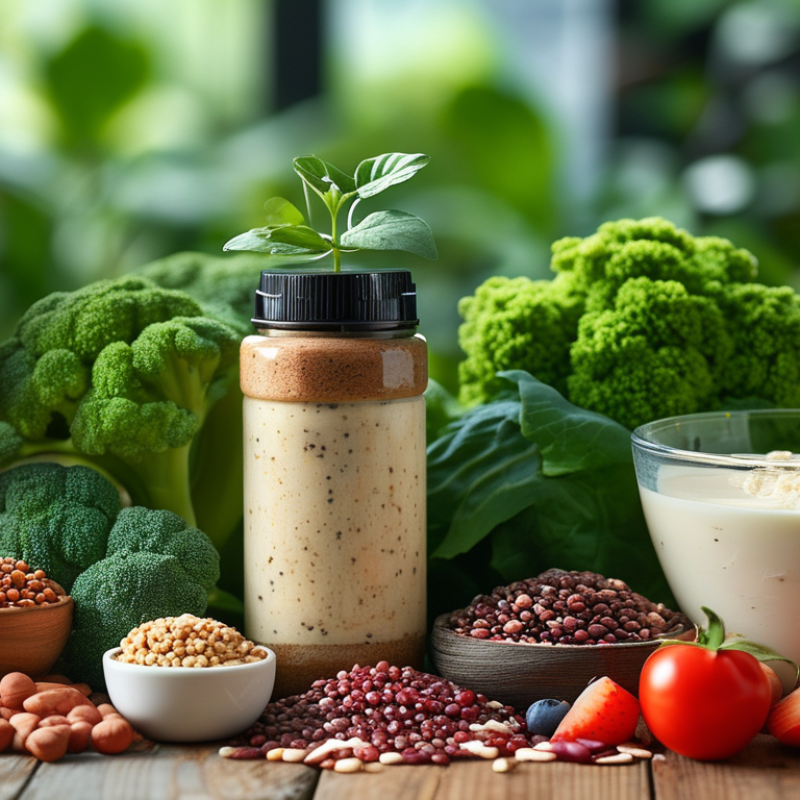
Are Vegetal Proteins Healthier Than Animal Proteins in 2026?

The Nutritional Comparison of Vegetal and Animal Proteins

The nutritional comparison between vegetal and animal proteins has become a hot topic in recent years. Vegetal proteins offer a diverse range of sources, including legumes, nuts, and seeds. These proteins often come with added benefits such as fiber, vitamins, and antioxidants. However, they may lack some essential amino acids present in animal proteins. This can lead to incomplete protein intake if not carefully balanced.

Animal proteins, found in meat, dairy, and eggs, are complete proteins. They contain all essential amino acids required for muscle repair and overall health. Yet, they can be high in saturated fats and cholesterol. This raises concerns about heart health and weight management when consumed in excess. The debate often centers on the long-term health effects and environmental impacts of both protein types.

Some people thrive on a plant-based diet. Others find it challenging to get enough protein without animal sources. It's essential to understand individual dietary needs. A combination of both protein types might yield the best health outcomes. Balancing these proteins can be a complex journey, requiring thoughtful meal planning and nutrition education.

Health Benefits of Vegetal Proteins in 2026

In 2026, the surge in popularity of vegetal proteins reflects their health benefits. Rich in fiber and nutrients, they promote digestive health. Many people now see plant-based sources as vital. They aid in managing weight effectively, thanks to lower calorie counts.

Incorporating legumes, nuts, and grains is a practical choice. Avocado and quinoa stand out among these options. These foods offer essential amino acids, crucial for muscle repair and growth. However, some may find it challenging to get all necessary proteins from plants. A balanced approach is key. Consider combining different sources to achieve a complete profile.

Besides nutrition, vegetal proteins are linked to reduced risks of chronic diseases. Research shows they may lower blood pressure and improve heart health. Environmental concerns also push people toward plant-based diets. Still, individual preferences matter. Not everyone may thrive without animal proteins. Exploring diverse diets can open new paths to health.

Potential Drawbacks of Animal Proteins

Animal proteins have been a staple in human diets for centuries. Recent studies indicate potential drawbacks associated with their consumption. High in saturated fats, certain animal proteins may elevate cholesterol levels. According to the American Heart Association, diets rich in these fats could lead to heart disease. In contrast, a balanced intake of plant-based proteins can mitigate these risks.

Research from the Journal of Nutrition has shown that excessive meat consumption correlates with various health issues. For instance, red and processed meats are linked to certain cancers and metabolic disorders. Many health professionals now recommend a shift towards plant proteins, advocating for legumes, nuts, and grains. They offer fiber and essential nutrients while minimizing harmful fats.

Shifting away from animal proteins requires careful consideration. Some individuals may find it challenging to acquire sufficient vitamin B12 and omega-3 fatty acids from plant sources alone. Additionally, certain plant proteins are incomplete, lacking one or more essential amino acids. This gap necessitates a varied diet to ensure nutritional adequacy. Therefore, a thoughtful approach is vital when transitioning to a predominantly plant-based diet.

Environmental Impact of Plant-Based vs. Animal-Based Diets

The environmental impact of our diets is a pressing concern in 2026. Plant-based diets typically require fewer natural resources. They produce lower greenhouse gas emissions compared to animal-based diets. For instance, producing one kilogram of beef can emit up to 27 kilograms of CO2 equivalent. Inevitably, this leads us to reflect on our dietary choices.

However, it's important to recognize that not all plant proteins are created equal. Some require significant water and land. Almond farming, for example, demands substantial water usage, which can strain local resources. Meanwhile, a balanced approach might involve incorporating both plant and animal proteins, depending on regional availability.

The complexity of food choices reveals how interconnected our health and the environment are. As consumers, we must become aware of these nuances. Are we making informed decisions that benefit both ourselves and the planet? It is a critical question we should all ponder. Balancing our plates responsibly can pave the way for a healthier future.

Comparison of Nutritional Content and Environmental Impact: Plant-Based vs. Animal-Based Proteins (2026)

Consumer Trends and Awareness of Protein Sources in 2026

In 2026, consumer awareness of protein sources is shifting significantly. Current data indicates that approximately 55% of consumers prioritize plant-based proteins. This reflects a growing trend toward healthier lifestyles. Many people are learning about the environmental impact of animal agriculture. As a result, plant proteins are growing in popularity.

Research shows that 74% of individuals are concerned about their protein sources. They seek alternatives that offer health benefits without compromising taste. Pulse proteins, such as lentils and chickpeas, are gaining attention for their high fiber content and essential nutrients. Yet, not all plant proteins provide complete amino acids. This inconsistency may lead consumers to mix sources for balanced nutrition.

Tips for making informed protein choices: consider a variety of protein sources. Incorporate beans and nuts into meals for added benefits. Be wary of overly processed vegan options. They may contain excess sugars or additives. A balanced approach can lead to a healthier lifestyle while reflecting personal values around food choices.

FAQS

: What is the environmental impact of plant-based diets compared to animal-based diets?

: Plant-based diets generally use fewer resources and emit less greenhouse gas. They are more environmentally friendly.

How much CO2 is produced from beef production?

Producing one kilogram of beef can release up to 27 kilograms of CO2 equivalent.

Are all plant proteins equally sustainable?

No, some plant proteins require significant water and land, like almond farming.

What is the current consumer trend regarding protein sources?

About 55% of consumers now prioritize plant-based proteins, reflecting a shift towards healthier diets.

What percentage of consumers are concerned about their protein sources?

Research shows that 74% of individuals are now concerned about where their protein comes from.

What are some popular plant protein alternatives?

Pulse proteins, such as lentils and chickpeas, are gaining popularity for their nutrient content.

Why might consumers mix different protein sources?

Not all plant proteins provide complete amino acids, so mixing helps achieve balanced nutrition.

What should consumers watch out for in plant-based products?

Be cautious of processed vegan options, as they may contain too much sugar or additives.

How can we balance our diets effectively?

Incorporating a variety of protein sources, including beans and nuts, can promote health and sustainability.

Why is it important to reflect on our dietary choices?

Our food choices impact our health and the environment, making awareness essential for responsible eating.

Conclusion

In 2026, the debate over whether vegetal proteins are healthier than animal proteins continues to gain traction. A comprehensive nutritional comparison indicates that while both protein sources offer essential nutrients, vegetal proteins are often richer in fiber and lower in saturated fats. Health benefits associated with plant-based proteins, such as reduced risks of chronic diseases, make them increasingly appealing to health-conscious consumers.

Moreover, the environmental impact of adopting plant-based diets is significant, as they typically result in lower greenhouse gas emissions compared to animal farming. As consumer trends evolve, awareness of the health implications and sustainability of protein sources is on the rise, driving more individuals to question: are vegetal proteins healthier than animal proteins? This ongoing inquiry reflects shifting dietary preferences and a growing emphasis on nutrition and ecological responsibility.

Henry

Henry

Henry is a dedicated marketing professional with a profound expertise in the company's offerings. With years of experience in the industry, he possesses an impressive understanding of the market dynamics and consumer behaviors that drive success. Henry is committed to sharing his insights through......