High-purity, functional vegetal proteins engineered for optimal gelation, emulsification, and nutritional fortification across global food systems.
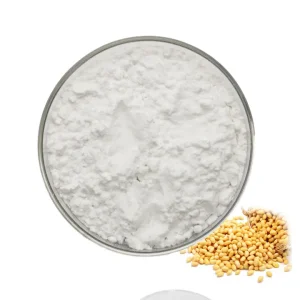
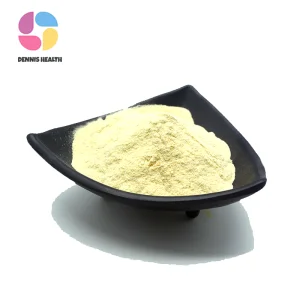
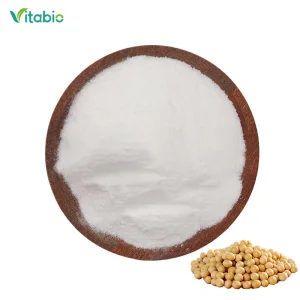
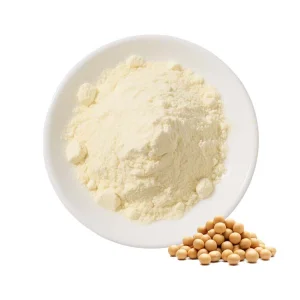
Analyzing macroeconomic demand, nutritional functionalities, and processing metrics in modern food science.
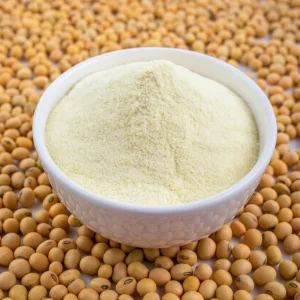
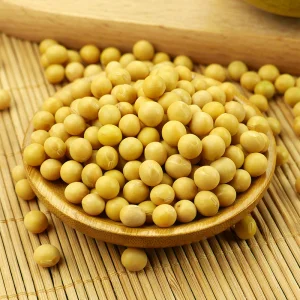
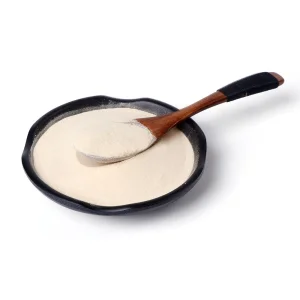
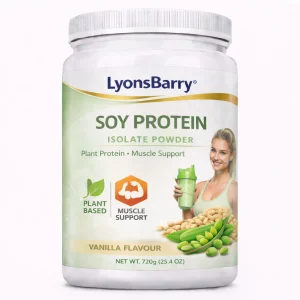
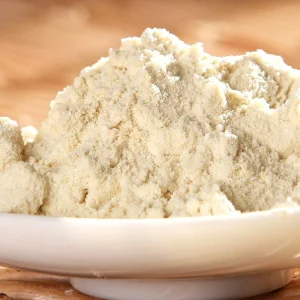
The global vegetal protein landscape is undergoing a systemic transformation. Driven by consumer transitions toward plant-hybrid diets, rising regulatory focus on carbon neutrality, and advancements in functional food applications, the commercial demand for Soy Protein Isolate (SPI), Soy Protein Concentrate (SPC), and Textured Soy Protein (TSP/TVP) has surged. Currently, soy protein represents the largest segment within the plant-based protein category globally, attributable to its complete amino acid profile, high biological value, and versatile industrial adaptability.
From a biological standpoint, soy protein is one of the few plant proteins with a PDCAAS (Protein Digestibility-Corrected Amino Acid Score) value of 1.0, aligning it with animal proteins like casein and egg albumin. This biochemical efficiency makes soy protein the primary choice for sports nutrition, meat analogs, functional beverages, and clinical dietary formulas. For enterprise buyers, selecting a reliable manufacturer is not merely about finding a competitive price per metric ton, but assessing production technology, molecular characterization capability, and regulatory compliance protocols.
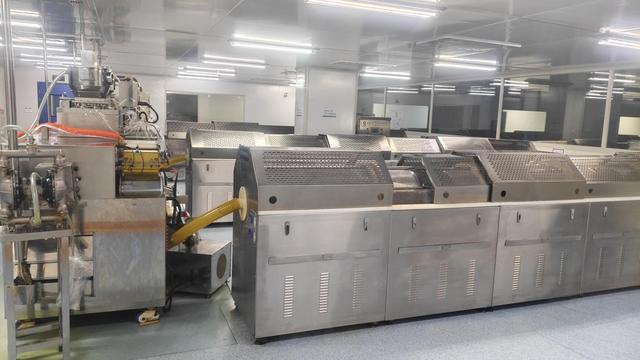
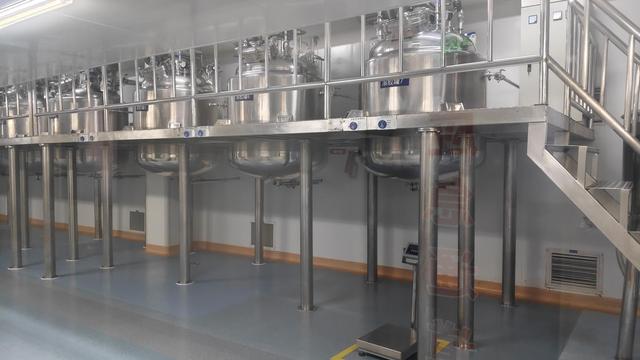
As a leading hub for chemical-physical processing technologies, China has revolutionized the efficiency of plant protein extraction. At Ningbo Bolly biology Co., Ltd., our refining plants leverage high-throughput automation and closed-loop extraction designs. Compared to traditional batch processing, our production facilities employ dynamic multi-stage counter-current extraction systems that maximize nitrogen extraction yield while reducing thermal degradation of the globulins (principally 7S β-conglycinin and 11S glycinin fractions).
This architectural precision allows our products to maintain an optimized Nitrogen Solubility Index (NSI), direct water-binding capacity, and gelation strength. Additionally, localized infrastructure in Ningbo provides direct transport linkages to container terminals, reducing transit times and ensuring that global supply chains remain resilient against disruptions. For enterprise buyers, this translates to lower demurrage risks, consistent lot-to-lot homogeneity, and cost-effective scaling solutions.
Engineered soy protein isolate featuring hydrophilic and lipophilic properties to stabilize high-fat matrix emulsions.
Heat-induced denaturation protocols designed to construct dense, elastic protein networks for realistic food structures.
Strict adherence to global food standards (HACCP, ISO 22000, Halal, Kosher) for clinical-grade applications.
Understanding user intent and application-specific parameters is crucial for successful B2B formulation. The functional demands of soy protein vary significantly depending on the target system:
Ningbo Bolly biology Co., Ltd. is a leading China vegetal protein manufacturer specializing in high-quality plant protein ingredients for food and beverage applications. With a strong commitment to innovation, quality, and sustainability, the company provides comprehensive plant-based protein solutions to customers worldwide.
Leveraging advanced production technologies and strict quality management systems, Ningbo Bolly biology offers a diverse portfolio of vegetal protein ingredients, including soy protein, pea protein, rice protein, wheat protein, and other specialty plant proteins. These ingredients are widely used in functional foods, beverages, nutritional supplements, sports nutrition products, meat alternatives, dairy alternatives, bakery products, and health foods.
The company places great emphasis on research and development, continuously exploring new plant protein technologies to meet the evolving demands of the global food industry. Its experienced R&D team works closely with customers to develop customized ingredient solutions that enhance nutritional value, improve texture, optimize taste, and support clean-label product development.
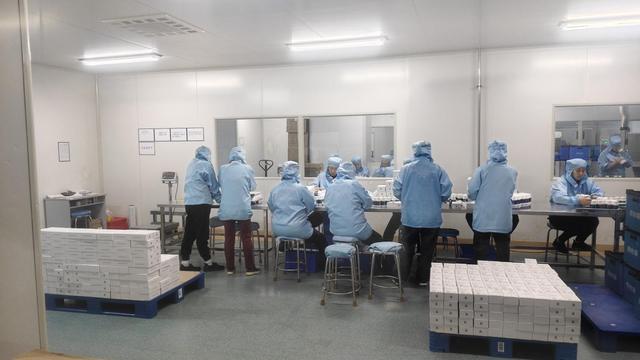
Quality and safety are at the core of Ningbo Bolly biology' operations. The company implements rigorous quality control procedures throughout the entire production process, ensuring that all products meet international standards and customer requirements. By maintaining consistent product quality and reliable supply capabilities, the company has established long-term partnerships with food manufacturers, distributors, and brand owners across multiple international markets.
Driven by customer satisfaction and sustainable development, Ningbo Bolly biology Co., Ltd. continues to deliver innovative vegetal protein solutions that help customers create healthier, more sustainable, and market-competitive food and beverage products worldwide.
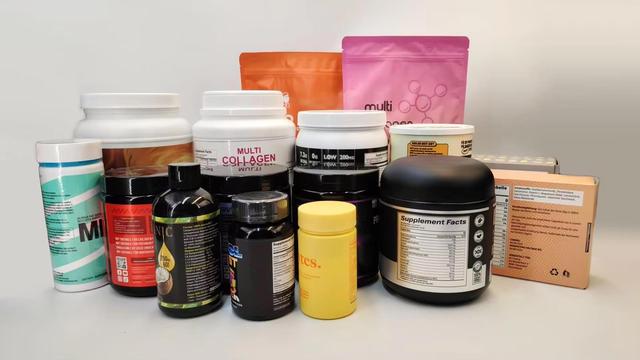
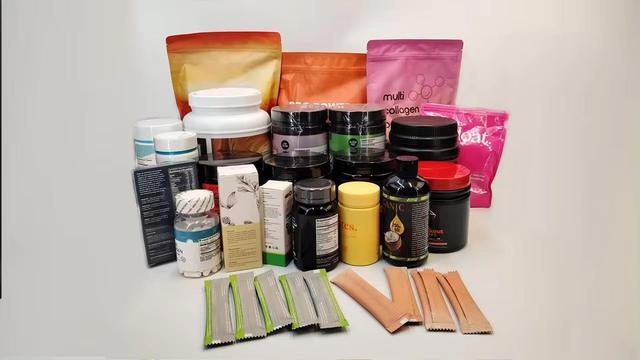
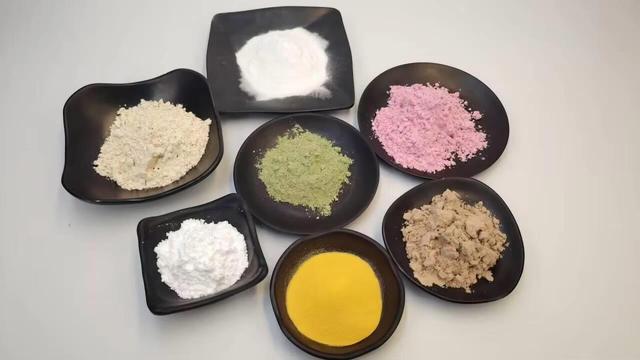

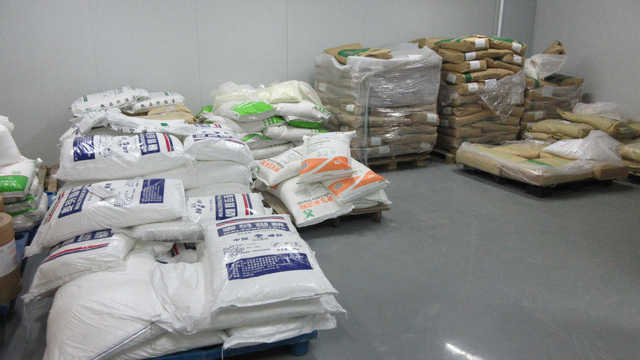

Enterprise procurement departments must navigate structural parameters to ensure ingredient performance. When importing soy proteins in bulk, commercial contracts should define specific parameters:
Buyers should mandate detailed assays for Protein Content (typically ≥90% on dry basis for isolates and ≥65% for concentrates via Kjeldahl method), Moisture Level (≤7.0% to prevent micro-contamination), Ash Content (≤6.0%), and Heavy Metals (Lead ≤1.0 ppm, Arsenic ≤0.5 ppm). Particle size distribution (measured in mesh size, e.g., 100 mesh to 200 mesh) must be matched with mixing equipment to prevent dust explosion hazards and uneven hydration rates.
To comply with USDA, EFSA, and regional health authorities, each batch must be verified free of pathogens. Standards include: Total Plate Count ≤20,000 cfu/g, Yeast & Mold ≤100 cfu/g, E. Coli (Negative/g), and Salmonella (Negative/25g). Heat treatment parameters like pasteurization and spray-drying temperature curves must be optimized to achieve pasteurizing lethality without denaturing functional proteins.
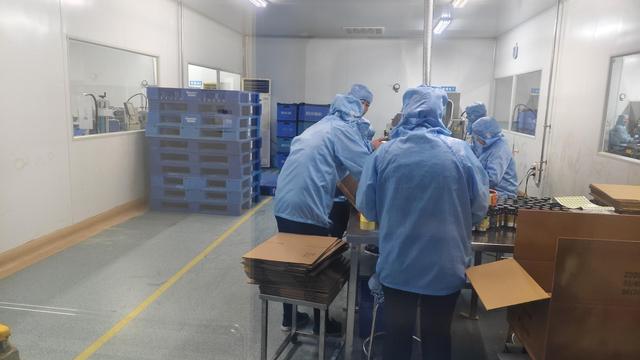
With volatile shipping rates, securing container capacity and palletizing efficiency is critical. Ningbo Bolly Biology ships in heavy-duty 20kg or 25kg multi-wall paper bags with PE inner liners, as well as customized super sacks (500kg to 1000kg) designed for automated bulk-unloading systems. Our location allows easy access to direct shipping lanes, providing a cost advantage to European and North American buyers.
Direct technical and commercial answers designed for ingredient buyers and food technologists.
The core difference lies in the concentration of protein and the processing steps involved. Soy Protein Isolate (SPI) undergoes an extra step of alkali extraction followed by acid precipitation (typically at the isoelectric point of pH 4.5) to remove soluble and insoluble carbohydrates, achieving a dry-basis protein content of ≥90%. Soy Protein Concentrate (SPC) retains the structural fiber and contains around 65% to 70% protein. SPI is highly functional with excellent gelation, emulsification, and solubility, while SPC is primarily utilized for water retention, structural texture in meats, and animal feeds.
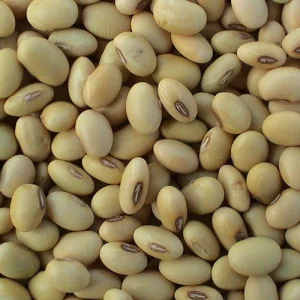
We operate under a strict Identity Preservation (IP) system. Raw yellow soybeans are sourced from contracted farming regions with segregated transport routes. Every incoming shipment is sampled and analyzed via Polymerase Chain Reaction (PCR) testing to verify the absence of GMO DNA sequences. In-process lines are completely dedicated to Non-GMO production runs to prevent cross-contact.
Our facilities are certified under ISO 9001, ISO 22000 (HACCP), and FSSC 22000 schemes. For regional markets, we provide Kosher, Halal, and Non-GMO Project Verification. Every batch is dispatched with a standard Certificate of Analysis (COA) containing physical, chemical, and microbiological values.
Our soy protein powders carry a guaranteed shelf life of 24 months from the date of manufacture. To maintain optimal functionality, the product should be stored in its original sealed packaging in a cool, dry place (temperature ≤25°C, relative humidity ≤60%). Avoid storing close to odoriferous materials as plant proteins easily absorb ambient odors.
Yes, our R&D department works with customers to match specific application demands. By adjusting enzymatic hydrolysis times and spray drying parameters, we can modify the molecular weight distribution of the peptides. This allows us to supply highly specialized grades like low-viscosity isolates for RTD liquid beverages or rapid-dispersion grades for dry-mix supplement shakers.
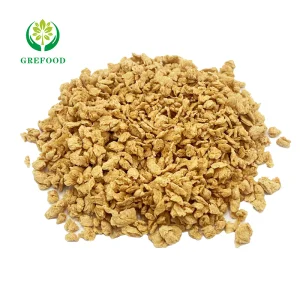
Specialty ingredients, feed concentrates, hydrolyzed proteins, and premium texturized variations for global distribution networks.
 Bolly Biology