Explore our high-performance plant protein concentrates, isolates, and de-oiled meals designed for commercial livestock feeds and clean-label food manufacturing.
A comprehensive examination of macro-market drivers pushing Canola (Rapeseed) protein to the forefront of global agriculture, food engineering, and supply chains.
The global shift toward plant-derived protein sources has evolved from a niche market consumer trend into a core industrial imperative. Under pressure from carbon reduction mandates, supply chain volatility, and fluctuating costs of animal proteins (such as whey and casein), manufacturers worldwide are actively seeking sustainable alternatives. Among the emerging plant-based sources, Canola Protein (derived from *Brassica napus*) represents a significant breakthrough due to its complete amino acid profile, high solubility, and excellent gelling capabilities.
As leading plant protein manufacturers, Ningbo Bolly biology Co., Ltd. is at the forefront of this industrial revolution. Our facilities utilize advanced, chemical-free cold extraction techniques to yield high-purity protein isolates without compromising the native functionality of the proteins. Canola protein is unique because it features a balanced distribution of two major storage fractions: Cruciferin (12S globulin) and Napin (2S albumin). This dual-protein structure delivers both structured gelling properties and rapid solubility across a broad pH spectrum, making it a viable alternative to soy and dairy proteins in critical industrial formulations.
Understanding the mechanical and enzymatic processing stages that preserve nutritional integrity and functional performance.
Transforming raw rapeseed into highly functional, food-grade canola protein requires careful processing to avoid denaturing the proteins or leaving bitter-tasting compounds. Thermal and mechanical extraction methods must be balanced to minimize the content of anti-nutritional factors like phytates, glucosinolates, and phenolic compounds (sinapine).
Oil extraction at low temperatures (<50°C) preserves native proteins.
Supercritical fluid separation reduces lipids to under 1.5%.
Mild alkaline or salt extraction separates globulins and albumins.
Ultrafiltration isolates proteins based on molecular weight cutoff.
Low-temperature spray drying yields highly soluble powder.
Through this controlled process, our technical partners isolate Napin—a highly soluble protein that remains stable under acidic conditions, ideal for carbonated functional beverages—and Cruciferin, which coagulates when heated to form strong gel networks in meat alternatives. This extraction method delivers excellent performance in terms of water binding, fat emulsification, and foaming properties.
| Functional Metric | Canola Protein Isolate (Bolly Bio) | Soy Protein Isolate (Standard) | Pea Protein Isolate (Standard) |
|---|---|---|---|
| Protein Concentration (Dry Basis) | ≥ 90.0% | ≥ 90.0% | ≥ 80.0% |
| Sulfur Amino Acids (Methionine/Cysteine) | High (3.8 - 4.2 g / 100g) | Low (2.4 g / 100g) | Very Low (1.9 g / 100g) |
| Solubility Profile (pH 3.0 - 5.0) | Superior (> 85% solubility) | Poor (Isoelectric precipitation zone) | Moderate (30% - 40% solubility) |
| Allergenic Risk Status | Non-major allergen (No labeling required) | Major allergen (Mandatory labeling) | Low allergen risk |
| Emulsifying Activity Index (EAI) | Excellent (85 m²/g) | Good (70 m²/g) | Moderate (55 m²/g) |
Tailored strategies for food technologists and animal feed nutritionists looking to optimize raw material usage.
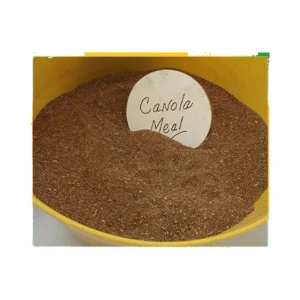
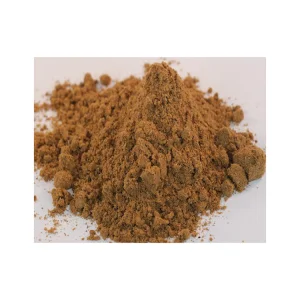
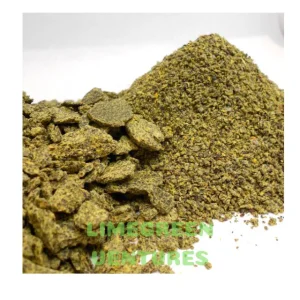
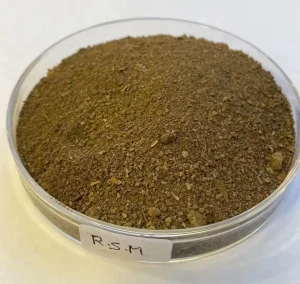
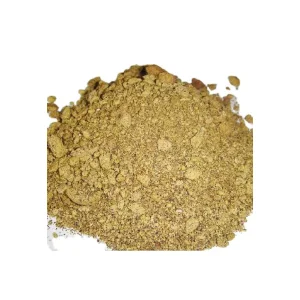
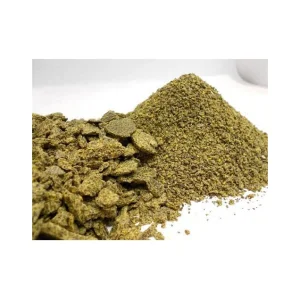
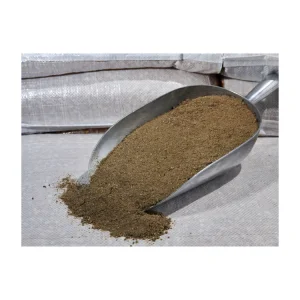
Canola meal with 60-65% protein acts as a direct replacement for marine fish meal. It provides essential methionine and lysine, which are key for muscle development in carnivorous fish, shrimp, and swine.
The gelling properties of Cruciferin help replicate the fibrous texture of traditional meat products. When mixed with water and subjected to high-moisture extrusion, it produces firm, chewy textures for clean-label plant meats.
Thanks to the low isoelectric point of the Napin fraction, hydrolyzed canola protein remains completely soluble in clear acidic drinks (pH 3.0–4.0). This prevents sediment or cloudiness over the product's shelf life.
Using pea protein in plant-based milk often leaves a gritty texture and a distinct beany taste. Adding hydrolyzed canola protein isolate helps stabilize the emulsion, improves mouthfeel, and eliminates the need for stabilizers like carrageenan or gellan gum. This enables food manufacturers to create clean labels with simpler, more natural ingredient decks.
A leading plant protein manufacturer delivering advanced ingredients and customized solutions for global food and beverage industries.
Ningbo Bolly biology Co., Ltd. is a leading China vegetal protein manufacturer specializing in high-quality plant protein ingredients for food and beverage applications. With a strong commitment to innovation, quality, and sustainability, the company provides comprehensive plant-based protein solutions to customers worldwide.
Leveraging advanced production technologies and strict quality management systems, Ningbo Bolly biology offers a diverse portfolio of vegetal protein ingredients, including soy protein, pea protein, rice protein, wheat protein, and other specialty plant proteins. These ingredients are widely used in functional foods, beverages, nutritional supplements, sports nutrition products, meat alternatives, dairy alternatives, bakery products, and health foods.
The company places great emphasis on research and development, continuously exploring new plant protein technologies to meet the evolving demands of the global food industry. Its experienced R&D team works closely with customers to develop customized ingredient solutions that enhance nutritional value, improve texture, optimize taste, and support clean-label product development.
Quality and safety are at the core of Ningbo Bolly biology' operations. The company implements rigorous quality control procedures throughout the entire production process, ensuring that all products meet international standards and customer requirements. By maintaining consistent product quality and reliable supply capabilities, the company has established long-term partnerships with food manufacturers, distributors, and brand owners across multiple international markets.
Driven by customer satisfaction and sustainable development, Ningbo Bolly biology Co., Ltd. continues to deliver innovative vegetal protein solutions that help customers create healthier, more sustainable, and market-competitive food and beverage products worldwide.
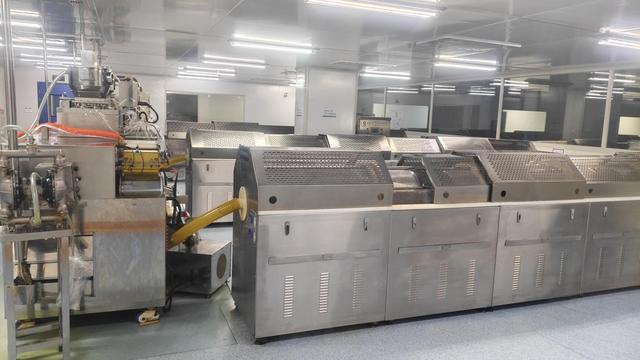
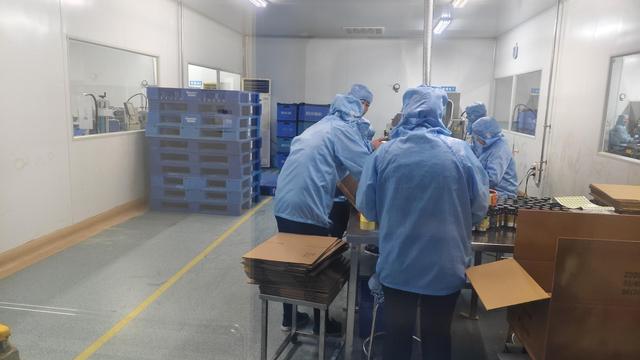
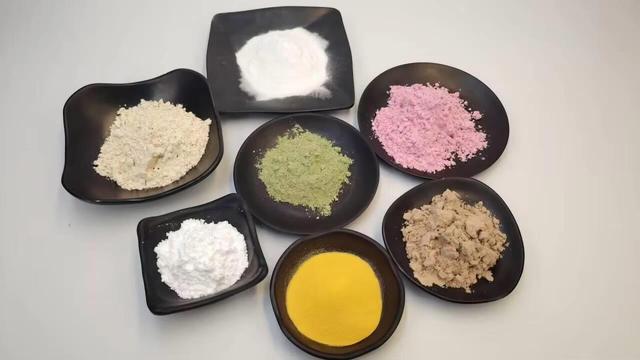
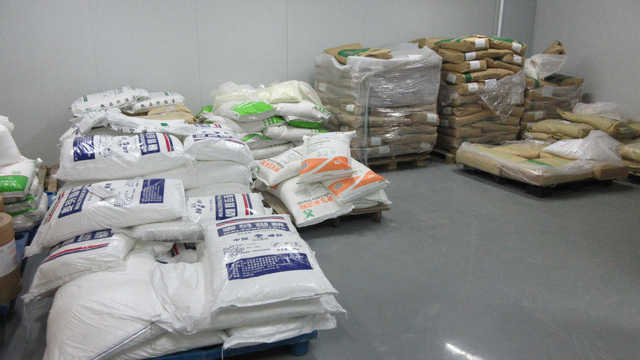
Our GMP-certified plants and cleanrooms utilize automated, continuous extraction technology to ensure batch-to-batch consistency and high microbiological quality.




Ensuring cross-border compliance through accredited certifications, supply chain transparency, and strict traceabilty.
Entering international markets requires strict compliance with food and feed safety standards. Plant-derived proteins must meet rigorous contaminant limits, particularly regarding heavy metals (arsenic, lead, cadmium), residual extraction solvents, and pesticide residues. In the animal feed industry, preventing cross-contamination is critical when blending plant-based proteins with alternative meals.
Our canola and rapeseed meal shipments are strictly segregated and tested for cross-contamination. Ningbo Bolly biology Co., Ltd. holds key certifications that support global trade, including:
To support high-volume global trade, we work with third-party verification agencies like SGS, Eurofins, and Intertek to issue pre-shipment analysis certificates. This ensures that every container meets the exact nutritional and safety requirements of the destination port.
Explored trends in next-generation green extraction solvents and functional modifications for 2025–2030.
Looking ahead, we are focusing R&D efforts on key improvements to enhance the functionality and value of canola protein:
Direct answers from our R&D and Quality Assurance departments regarding canola protein application and supply chain logistics.
Rapeseed meal is a byproduct of oil extraction that contains around 35-45% protein along with fiber, starches, and minerals, making it ideal for animal feeds. Canola protein isolate is a highly refined powder (≥90% protein) produced through advanced filtration to remove fiber and anti-nutritional compounds. This neutral-tasting ingredient is designed for food and beverage applications.
Canola protein has a rich amino acid profile, particularly in sulfur-containing amino acids like methionine and cysteine. Soy and pea proteins are often low in these essential nutrients. Blending canola protein with pea or soy helps create a balanced amino acid profile, achieving a PDCAAS/DIAAS score of 1.0 without requiring synthetic amino acid additives.
We use cold-pressing under 50°C followed by mild aqueous extraction and membrane filtration. This avoids high heat and harsh chemicals, keeping the delicate proteins (like Napin and Cruciferin) intact so they retain their natural gelling, foaming, and emulsifying properties.
We keep moisture levels strictly below 2% to 8% depending on the grade. High moisture can lead to mold growth and protein degradation during transport. By controlling moisture and using oxygen-barrier packaging, we ensure our protein meals stay stable for 12 to 24 months under cool, dry storage conditions.
Yes, canola is not classified as a major allergen in most major markets, including the US and EU. This makes it an excellent choice for allergen-free formulations, allowing manufacturers to replace soy or wheat gluten while maintaining a clean, simple ingredient list.
Yes, canola protein has excellent whipping and emulsification properties. The Napin fraction creates stable foams similar to egg whites, while the Cruciferin fraction helps bind fats and water. This allows manufacturers to successfully formulate egg-free, vegan alternatives for baked goods, dressings, and spreads.
Find the right high-protein feed supplements and bulk ingredients to optimize nutritional yields across food and agricultural applications.
 Bolly Biology