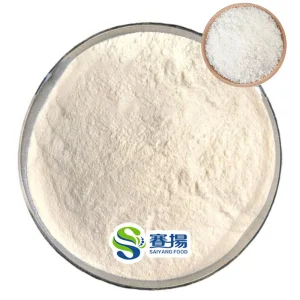
Highly functional, hypoallergenic vegan protein formulations engineered for global export and specialized nutrition applications.
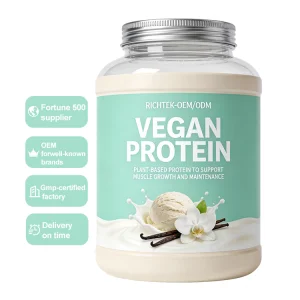
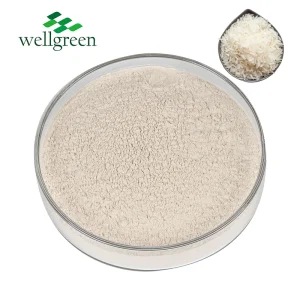
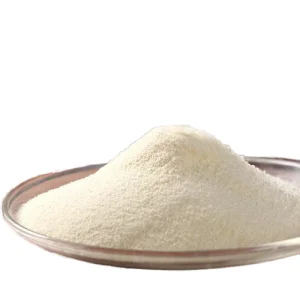
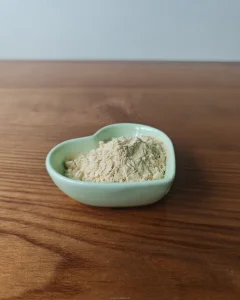
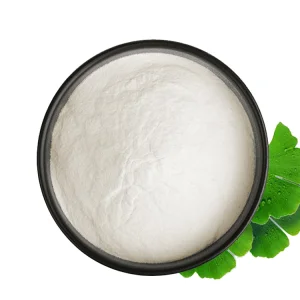
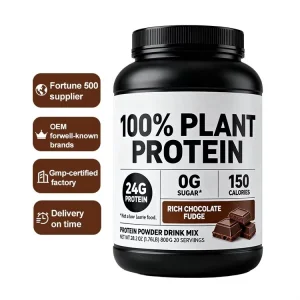
As consumer behavior shifts globally toward plant-based, non-GMO, and clean-label dietary choices, the food and beverage industry has experienced a significant paradigm shift. Standing at the forefront of this industrial transition is Ningbo Bolly Biology Co., Ltd., a premier manufacturer and exporter of high-purity vegetal protein ingredients. Headquartered in Ningbo, China, we operate state-of-the-art wet milling and advanced enzymatic isolation facilities designed to satisfy the strict physiological and technical demands of the global market.
Our operational capabilities are underpinned by advanced chemical engineering and extraction processes that allow us to fractionate premium non-GMO crops into functional ingredients. We supply an extensive range of plant protein powders, including pea protein, soy protein, wheat protein, and our flagship line of rice protein products. These ingredients serve as the functional foundation for major nutritional applications globally, including sports nutrition, clinical dietetics, infant formulas, plant-based dairy, meat analogs, and premium cosmetic formulations.
By leveraging custom biotechnology, we assist food formulators in navigating structural challenges such as poor solubility, sandiness, and undesirable taste profiles. Through targeted enzymatic hydrolysis, we produce rice peptides with highly customizable average molecular weights (often under 1,000 Daltons) which offer superior bioavailability, rapid intestinal absorption, and advanced water solubility.
In modern food formulation, achieving functional excellence without compromising clean-label credentials is a constant challenge. Ningbo Bolly Biology solves this by excluding harsh chemical solvents (such as hexane) from our extraction pipelines. Instead, we utilize advanced biological processes, combining food-grade enzymes (amylases, glucoamylases, and proteases) with mechanical separation systems to gently isolate the protein fraction from the starch matrix of rice grains.
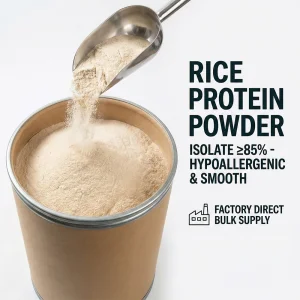
This solvent-free approach preserves the delicate amino acid profile of the protein, ensuring that our brown rice protein isolates and concentrates maintain their nutritional integrity. Crucially, rice protein is naturally free from common allergens like gluten, soy, and dairy. This inherent hypoallergenicity makes it a highly sought-after ingredient for formulators designing clean-label meal replacements, toddler formulas, and medical nutritional products.
Exploring how advanced manufacturing automation, structural vertical integration, and deep logistical advantages guarantee continuous B2B supply.
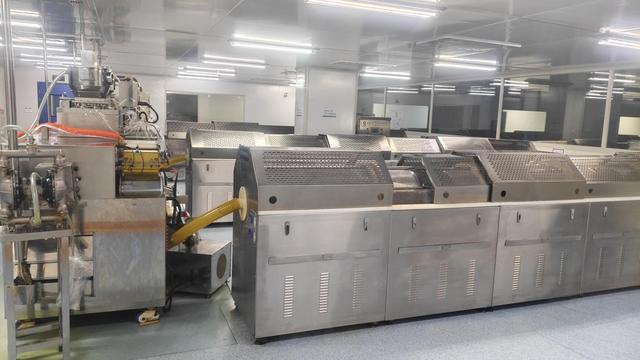
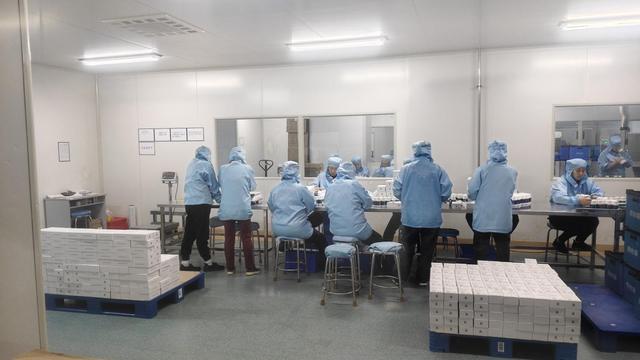
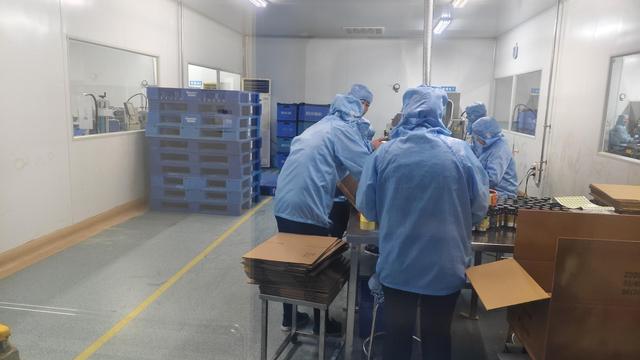
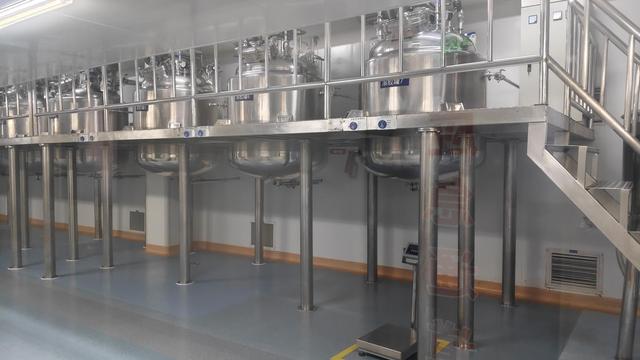
Operating a modernized facility in Ningbo allows us to execute a continuous, highly automated production process that reduces human error and minimizes contamination risks. Our Factory 4.0 architecture integrates computerized PLC (Programmable Logic Controller) networks across all processing phases—from raw material cleaning and wet milling to enzymatic hydrolysis, ultrafiltration purification, flash spray drying, and automated packaging. This level of process automation ensures consistent batch-to-batch physical and chemical profiles, which is crucial for international brands that require strict compliance with product specifications.
We source non-GMO rice grains directly from audited farming cooperatives. Our digital tracing tracks every batch from the harvest site to the final container delivery.
Our facility's proximity to the Port of Ningbo—one of the world's largest deep-water ports—ensures container booking options, reduced overland transport costs, and short lead times.
Equipped with internal testing laboratories, we run continuous quality checks on heavy metal content, pesticide residues, microbial metrics, and particle size distribution.
Pushing the boundaries of molecular extraction, structural modifications, and bio-functional peptide synthesis.
The main physical limitations historically associated with rice protein have been its grainy texture, poor solubility in neutral pH liquids, and tendency to sediment. Our R&D team addresses these challenges through mechanical and enzymatic modifications:
| Technological Focus | Processing Method | Functional Improvement | Primary Target Market |
|---|---|---|---|
| Superfine Micro-milling | Ultra-high pressure fluid jet milling to reach 600 mesh limit. | Elongated particles are rounded; eliminates chalkiness and sandiness in ready-to-drink (RTD) formulas. | Plant-based Milks, Premium RTD Shakes, Meal Replacements. |
| Enzymatic Hydrolysis | Targeted cleavage using high-specificity plant-derived endo-proteases. | Generates small-molecule bioactive peptides (<1000 Da) that stay soluble in acidic and neutral systems. | Sports Hydration, Clinical Enteral Feeds, Cosmetic Skin Repair. |
| Natural Deflavoring | Supercritical carbon dioxide extraction and active charcoal absorption. | Removes volatile organic compounds (hexanal, etc.) responsible for cereal-like off-notes. | Neutral-flavored Protein Isolates, Unflavored Plant-based Dairy. |
| Pea-Rice Synergistic Blending | Precision computational amino acid profiling and automated physical blending. | Balances the amino acid profile (pairing methionine-rich rice with lysine-rich pea) to achieve a PDCAAS of 1.0. | High-Performance Sports Powders, Pediatric Nutrition. |
Looking ahead, Ningbo Bolly Biology is investing in secondary fermentation platforms that utilize beneficial bacterial strains to naturally synthesise protein isolates from rice agricultural byproducts. This biological path promises to further reduce water usage by 40% and carbon emissions by 30% compared to traditional extraction methods, positioning our export supply chain as a leader in industrial sustainability.
How our customized rice protein derivatives resolve structural, sensory, and chemical challenges in various sectors.
Modern athletes require fast nitrogen absorption without gastrointestinal distress. Our hydrolyzed rice protein peptides are rapidly absorbed via the PepT1 transporters in the human gut. They speed up muscle protein synthesis (MPS) and assist in glycogen replenishment without the bloating often associated with whey concentrates or raw soy proteins.
Soy protein contains phytoestrogens and is a common allergen, while dairy-derived whey contains lactose and casein. Our organic non-GMO brown rice protein isolate offers a safe, allergen-free option. It serves as a base for infant formulations and tube-fed medical diets where digestive safety and safety are paramount.
In personal care, low-molecular-weight rice peptides are utilized as functional skin barrier repair agents. They stimulate type I collagen synthesis in human dermal fibroblasts and protect skin matrices from UV-induced oxidative degradation. They also display excellent film-forming and moisture-binding properties in premium hair care formulations.
With its neutral profile and balanced oil-water binding capacities, our rice protein serves as a clean binder. In vegan cheese, yogurt, and milk alternatives, it mimics the texture of dairy proteins. In structured plant meats, it blends with pea and wheat gluten to create realistic fibrous textures and improve moisture retention.
How Ningbo Bolly Biology tailors raw materials to match distinct formulation goals and regional supply regulations.
We understand that a single standard protein powder cannot meet the needs of all formulations. A beverage brand requiring high solubility needs a completely different physical profile than a meat analog processor requiring gelling and texturizing properties. We offer a structured customization system designed to support brand owners, purchasing agents, and manufacturing teams:
Mitigating regulatory risk through certified testing, third-party validation, and comprehensive international documentation.
Exporting agricultural derivatives globally requires compliance with regional safety guidelines. Ningbo Bolly Biology has established a comprehensive quality management system that ensures our products meet the standards of major global markets, including the EU, North America, the Middle East, and Asia-Pacific.
Our raw material testing protocols address key concerns such as heavy metals (Arsenic, Lead, Cadmium, and Mercury). We monitor agricultural soils and employ physical separation techniques during wet processing to keep heavy metal levels below the strict thresholds set by the EU Commission and California Proposition 65.
We hold NOP (USDA Organic) and EU Organic certifications, backed by a fully auditable chain of custody that covers every step from the cultivation fields to extraction and processing.
Our production lines are audited and approved by recognized organizations, allowing us to supply Halal and Kosher certified products to global markets.
Our manufacturing facility operates under international food safety management systems, including ISO 9001, ISO 22000, and FSSC 22000 standard configurations.
Addressing technical questions, sensory questions, and supply chain logistics for B2B procurement managers.
Heavy metal accumulation in rice is a common challenge due to the plant's natural absorption characteristics. At Ningbo Bolly Biology, we mitigate this risk through a multi-step prevention strategy:
First, we select cultivation regions with clean soils and water supplies, far from industrial hubs. Every batch of raw rice is tested before processing. Second, during wet milling and extraction, we utilize clean, filtered process water. Third, we employ specific physical and enzymatic separation steps that isolate the protein fraction from starch and fiber components where trace heavy metals tend to concentrate. Our final products are tested by independent third-party laboratories (such as SGS or Eurofins) to ensure compliance with the limits set by California Proposition 65 and European Union regulations.
From a nutritional standpoint, single plant proteins often lack a complete essential amino acid profile. Rice protein is rich in sulfur-containing amino acids (methionine and cysteine) but low in lysine. Conversely, pea protein is rich in lysine but relatively low in methionine.
By blending rice and pea protein—typically in a ratio of 60:40 or 70:30—formulators can create a balanced amino acid profile. This synergistic blend achieves a Protein Digestibility-Corrected Amino Acid Score (PDCAAS) of 1.0, matching the nutritional quality of animal-derived whey or egg proteins. This makes it an ideal formulation base for vegan sports nutrition, recovery supplements, and clinical meal replacements.
The differences lies in the molecular structure and physical properties:
Rice Protein Isolate: Typically contains 80% to 90% intact protein. It has limited solubility in water and is best suited for applications where suspension stability can be managed, such as powders, baked goods, and meat alternatives.
Hydrolyzed Rice Peptides: Have been enzymatically broken down into short peptide chains with a molecular weight often below 1,000 Daltons. These peptides offer excellent water solubility, remain stable in acidic environments, and do not sediment. This makes them ideal for clear functional beverages, cosmetics, and specialized nutrition products requiring rapid absorption.
Particle size distribution directly influences mouthfeel and suspension stability in liquid systems. Standard 120-mesh or 200-mesh rice proteins can feel sandy or chalky because the human tongue can detect particles larger than 80 microns.
Our 600-mesh superfine rice protein has an average particle size of less than 25 microns. This micro-sizing allows the protein to disperse evenly in liquid systems, eliminating the sandy texture. It improves suspension stability, reduces sedimentation in ready-to-drink (RTD) beverages, and allows formulators to reduce their reliance on stabilizer gums and thickeners.
Yes. We source non-GMO raw materials and enforce strict identity preservation protocols throughout our supply chain. For markets requiring certified organic ingredients, we supply organic brown rice protein manufactured under USDA NOP and EU Organic standards.
Our processing lines are fully cleaned and documented before organic production runs. We maintain batch traceability, supported by transaction certificates, to ensure compliance with clean-label and organic marketing claims in the US, Europe, and Asia-Pacific.
Our typical manufacturing lead time ranges from 15 to 21 days from order confirmation to port delivery. Standard packaging consists of 20kg or 25kg multi-wall kraft paper bags with an food-grade polyethylene inner liner, palletized and shrink-wrapped. We also offer 1,000kg super sacks for large-scale operations.
Stored under cool, dry conditions away from direct sunlight, our rice protein isolates have a shelf life of 24 months. Each shipment is accompanied by a Certificate of Analysis (COA), heavy metal test report, and allergen statement.
A visual tour of our production facility, showcasing our advanced wet milling, isolation, and automated packaging lines.
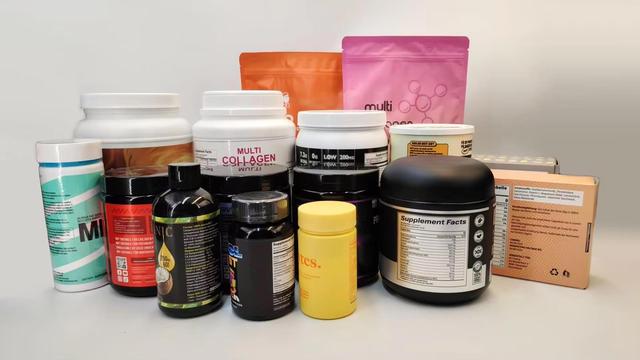
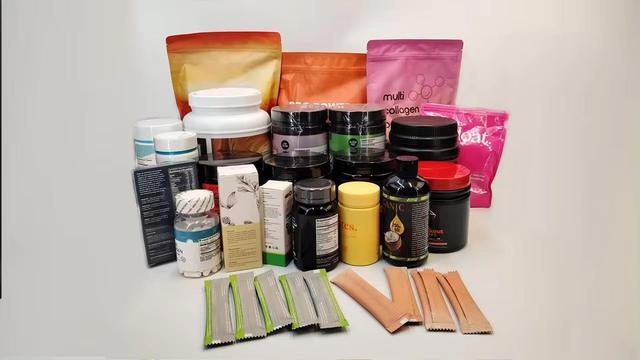
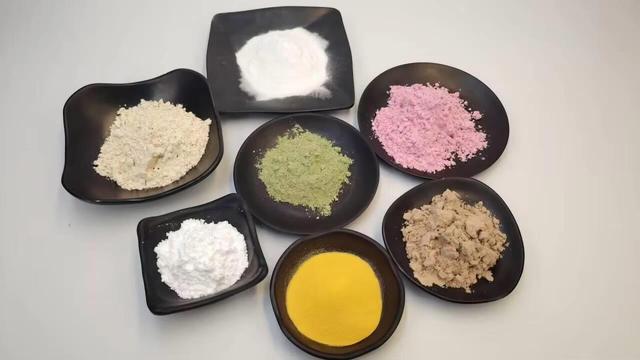
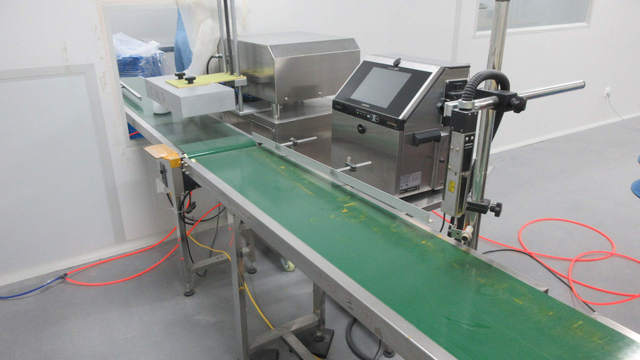
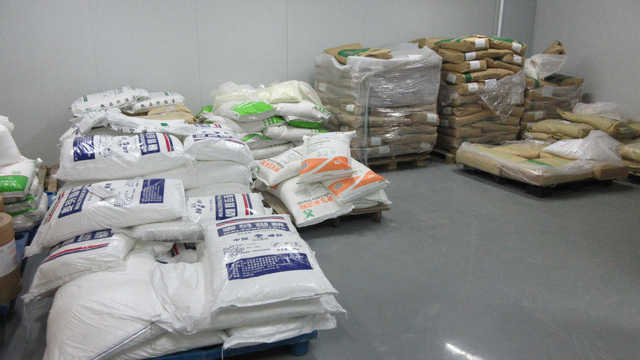

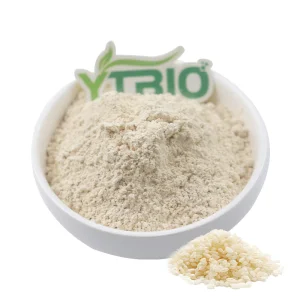
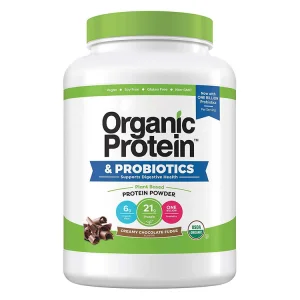
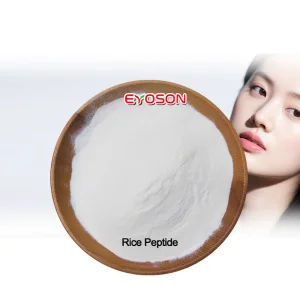
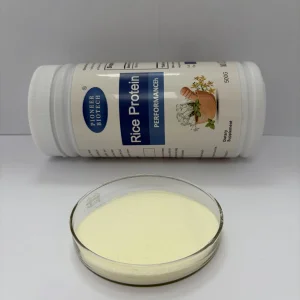
Advanced plant protein extracts and specialized blends designed to support food, beverage, and cosmetic formulations.
 Bolly Biology