In recent years, the demand for alternative protein sources has surged. Many buyers are keen to explore options beyond traditional animal proteins. A common inquiry among these buyers is, "what are vegetal proteins?" Understanding vegetal proteins is essential for making informed purchasing decisions.
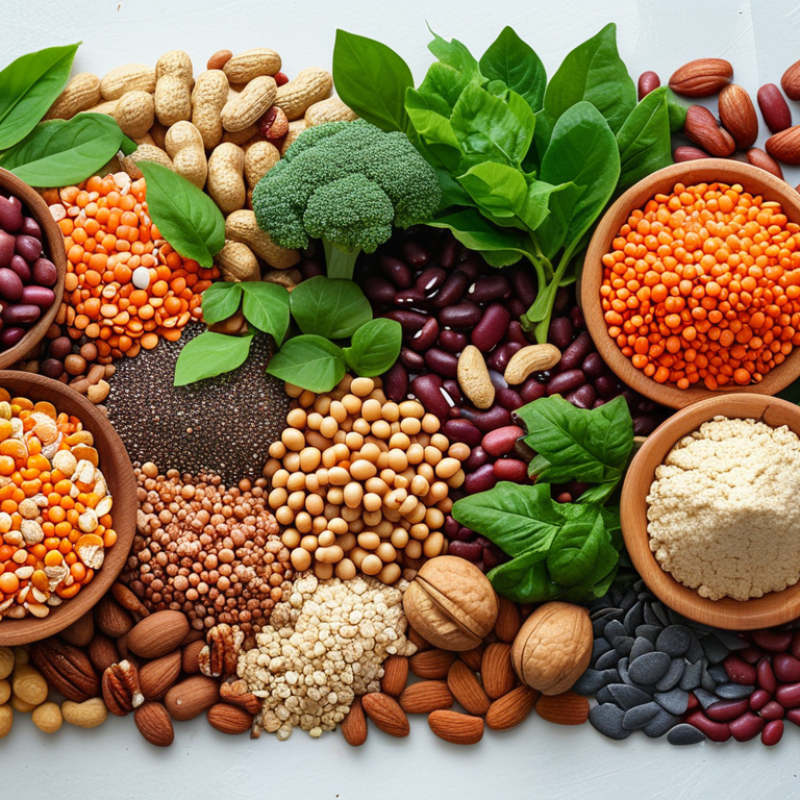
Vegetal proteins originate from plants and include sources such as legumes, nuts, and grains. They offer several advantages, including sustainability and reduced environmental impact. Plant-based diets promote health and can lower the risk of chronic diseases. Furthermore, they cater to growing dietary preferences like veganism and vegetarianism. With the global shift towards healthier eating, vegan proteins are becoming increasingly popular.
Despite the clear benefits, some challenges remain. Not all vegetal proteins are complete, meaning they do not contain all essential amino acids. Buyers must be cautious about nutritional imbalances. They should educate themselves on combining different sources to achieve a balanced diet. With awareness and knowledge, global buyers can successfully incorporate vegetal proteins into their diets and products.
Benefits of Vegetal Proteins for Global Buyers
The shift towards plant-based diets is gaining momentum among global buyers. Reports indicate that the global plant protein market is expected to reach approximately $27.9 billion by 2025. This growth reflects the increasing awareness of health and sustainability. Plant proteins provide essential amino acids and are often lower in saturated fats compared to animal sources. These proteins can mitigate the risk of chronic diseases, making them appealing for health-conscious consumers.
In terms of environmental impact, vegetal proteins produce significantly lower greenhouse gas emissions. A study from the Food and Agriculture Organization (FAO) suggests that shifting to plant-based diets could reduce emissions by up to 70%. This is crucial as climate change impacts global food security. Yet, it’s important to recognize that not all plant proteins offer identical benefits. Some may lack certain nutrients that are abundant in animal products. A thoughtful approach to dietary choices is necessary to ensure nutritional balance.
Cost considerations also play a role in the buying decision. While some plant-based proteins can be more affordable, others can be pricier. For instance, specialty products like quinoa and other superfoods may not be accessible for everyone. This highlights the economic disparities that still exist within the global market for plant-based proteins. Buyers must navigate these complexities while pursuing healthier and more sustainable options.
Nutritional Advantages of Plant-Based Proteins Compared to Animal Proteins
Plant-based proteins offer numerous nutritional advantages over animal proteins. They are generally lower in saturated fat and cholesterol, making them heart-healthy options.
Vegetal proteins, such as those found in legumes, nuts, and seeds, provide essential amino acids and are rich in fiber. This fiber aids digestion and can help prevent chronic diseases.
A major benefit of plant-based proteins is their high antioxidant content. These nutrients help combat oxidative stress and inflammation in the body. Plus, many plant sources are packed with vitamins and minerals, which may lack in their animal counterparts. For those concerned about protein intake, it’s worth noting that combining different plant sources can yield a complete amino acid profile.
Tips: Consider incorporating quinoa or chickpeas into meals for protein variety. Smoothies blended with spinach or kale improve nutrition. Remember to listen to your body; some may struggle with digesting certain legumes. Exploring different plant-based foods can uncover delicious, nutritious options tailored to your preferences.
Sustainability and Environmental Impact of Vegetal Protein Sources
The environmental impact of vegetal protein sources is significant. These proteins, derived from plants, contribute less to greenhouse gas emissions compared to animal proteins. For instance, legumes, nuts, and grains require fewer resources. They need less water and land. This aspect appeals to global buyers seeking sustainability.
However, not all vegetal proteins are equally sustainable. Intensive farming practices can lead to soil depletion and biodiversity loss. A focus on monoculture can harm ecosystems. It's essential for consumers to research sourcing methods. Choosing local and organic options may reduce the environmental footprint.
Incorporating more plant-based proteins in diets can positively impact the planet. It allows for better resource management and waste reduction. Yet, understanding the complexities of production is crucial. Not all sources prioritize environmental health. Buyers should demand transparency and consider their choices carefully.
Economic Considerations for Importing Plant Proteins
When considering the import of plant proteins, economic factors play a crucial role. The global plant protein market is projected to reach $40 billion by 2025, according to a report by MarketsandMarkets. This growth is fueled by increasing consumer demand for vegetarian and vegan options. Importing these proteins offers cost-effective alternatives to traditional meat products, appealing to a broad range of consumers.
Not all plant proteins are created equal. The nutritional profile varies widely among sources like soy, peas, and lentils. For instance, pea protein has gained popularity due to its high digestibility compared to others. However, sourcing quality plant proteins can be challenging. Economic fluctuations and supply chain issues may affect availability and pricing. Buyers must conduct thorough research to ensure reliable sourcing and quality assurance.
Tip: Assess local market trends before making purchasing decisions. Understanding consumer preferences can lead to more strategic imports. Monitoring the fluctuations in commodity prices is also essential. Consider diversifying sources to mitigate risks associated with single-source dependence. The evolving landscape of plant proteins requires adaptability and keen market insight to thrive.
Culinary Versatility of Vegetal Proteins in Global Cuisines
Vegetal proteins are gaining popularity worldwide, enhancing culinary diversity across various cuisines. These proteins, derived from plants like legumes, grains, and nuts, contribute to a sustainable food system. According to a 2022 report by the Food and Agriculture Organization, the global demand for plant-based proteins is expected to increase by 20% over the next five years. This shift reflects a broader trend toward healthier eating habits and ethical consumption.
Culinary versatility is one of the standout features of vegetal proteins. Chefs are creatively using legumes in dishes like dals and stews, while grains serve as excellent bases for salads and side dishes. Nuts and seeds add texture and flavor to various preparations, from desserts to savory meals. However, not all plant proteins are created equal. Some lack essential amino acids, leading to nutritional gaps. It is essential to combine sources, like rice and beans, to ensure a complete amino acid profile.
Recent studies indicate that incorporating diverse vegetal proteins can enhance the nutritional value of meals. For instance, they are often lower in saturated fats and cholesterol compared to animal proteins. Despite these advantages, the transition may face resistance due to taste preferences and limited awareness of cooking techniques. Chefs and home cooks alike may need to explore innovative ways to showcase these ingredients effectively. Thus, the culinary journey with vegetal proteins is an evolving experience that invites experimentation and learning.
What are the Benefits of Vegetal Proteins for Global Buyers? - Culinary Versatility of Vegetal Proteins in Global Cuisines
| Type of Vegetal Protein |
Culinary Uses |
Nutritional Benefits |
Popular Cuisines |
| Soy Protein |
Tofu, tempeh, soy milk, meat alternatives |
High in protein, contains all essential amino acids |
Asian, vegetarian cuisines |
| Pea Protein |
Smoothies, protein bars, meat alternatives |
Rich in iron, promotes muscle building |
Western, fitness-focused dishes |
| Quinoa |
Salads, side dishes, grain bowls |
Complete protein, high in fiber, gluten-free |
Andean, health-conscious cuisines |
| Chickpea Protein |
Hummus, falafel, stews |
High in protein and fiber, aids weight management |
Middle Eastern, Mediterranean cuisines |
| Hemp Protein |
Smoothies, energy snacks, baking |
Rich in omega-3 and omega-6 fatty acids |
Health-oriented, vegan cuisines |
Consumer Trends Towards Plant-Based Diets and Proteins
The shift towards plant-based diets is gaining momentum. According to recent market research, the global plant-based protein market is projected to reach $40 billion by 2025. This growth is fueled by changing consumer preferences and a greater awareness of health benefits. More people are exploring vegetarian and vegan options, seeking to reduce meat intake.
Studies reveal that 39% of consumers are actively trying to incorporate more plant-based foods into their meals. Many cite health reasons, while others are motivated by environmental concerns. This is evident in rising demand for products like legumes, nuts, and soy. However, not all plant-based proteins offer complete amino acid profiles. This poses a challenge for those relying solely on these sources.
Additionally, there are concerns about the nutritional adequacy of some plant-based diets. Certain vitamins and minerals found predominantly in animal products can be lacking. Consumers must be informed and strategic in their food choices. This underscores the importance of education on balanced plant-based nutrition. As awareness grows, further research will be necessary to ensure that these diets are both beneficial and sustainable.
Benefits of Vegetal Proteins for Global Buyers
FAQS
: They contribute less to greenhouse gas emissions and require fewer resources like water and land.
No, intensive farming can cause soil depletion and harm biodiversity. Researching sourcing methods is crucial.
It allows for better resource management and waste reduction, creating a positive environmental impact.
Economic fluctuations, supply chain issues, and varying nutritional profiles complicate the sourcing process.
Understanding market trends and consumer preferences helps in making strategic purchasing decisions.
Not all have essential amino acids, leading to potential nutritional gaps. Combining sources can help.
Taste preferences and limited awareness of cooking techniques can hinder their acceptance in meals.
Chefs can enhance dishes like dals, stews, and salads with legumes, grains, nuts, and seeds.
Nutritional value varies widely among sources, so it's essential to research and choose wisely.
Diversifying sources can mitigate risks associated with single-source dependence and fluctuating prices.
Conclusion
Vegetal proteins, derived from plants, offer numerous benefits for global buyers seeking nutritious and sustainable food sources. These proteins boast significant nutritional advantages over traditional animal proteins, often providing essential amino acids while being lower in saturated fats. Their sustainable nature contributes positively to environmental health, reducing carbon footprints and promoting biodiversity. Additionally, the economic aspects of importing plant proteins are increasingly favorable, as the demand for these sustainable alternatives grows.
Moreover, the culinary versatility of vegetal proteins allows them to be incorporated into various global cuisines, appealing to a wide range of dietary preferences and trends. As consumer interest shifts towards plant-based diets, understanding what are vegetal proteins and their multifaceted benefits positions global buyers to make informed decisions that align with health, environmental, and economic goals.

 Bolly Biology