Plant-based foods can be nutritious, flavorful, and satisfying, yet texture often determines whether people enjoy them. A lentil patty may taste rich but crumble on the plate. Oat yogurt may seem creamy at first, then become watery after refrigeration. These small details shape consumer trust and repeat purchases.
This guide explores how to improve the texture of plant based foods through practical, evidence-informed methods. The seven approaches consider ingredient selection, moisture control, protein structure, particle size, cooking conditions, and careful processing. Each factor can change softness, firmness, chewiness, or creaminess. For example, soaking beans can soften their structure, while blending time influences smoothness. A small amount of oil may improve mouthfeel, but too much can make a product heavy.
Texture is not solved by one universal formula. It depends on the crop, recipe, equipment, storage temperature, and intended eating experience. Testing matters. A kitchen trial may look successful immediately, yet fail after freezing or reheating. That limitation deserves attention.
Reliable development combines food science with repeated sensory evaluation. Compare samples under the same conditions, record changes clearly, and ask testers to describe what they feel. Terms such as “dry,” “grainy,” or “rubbery” provide useful direction. Still, personal preference can distort results. A creamy texture may satisfy one group and disappoint another. These seven methods offer a practical starting point, not a guaranteed shortcut, for creating plant-based foods with more appealing and consistent textures.
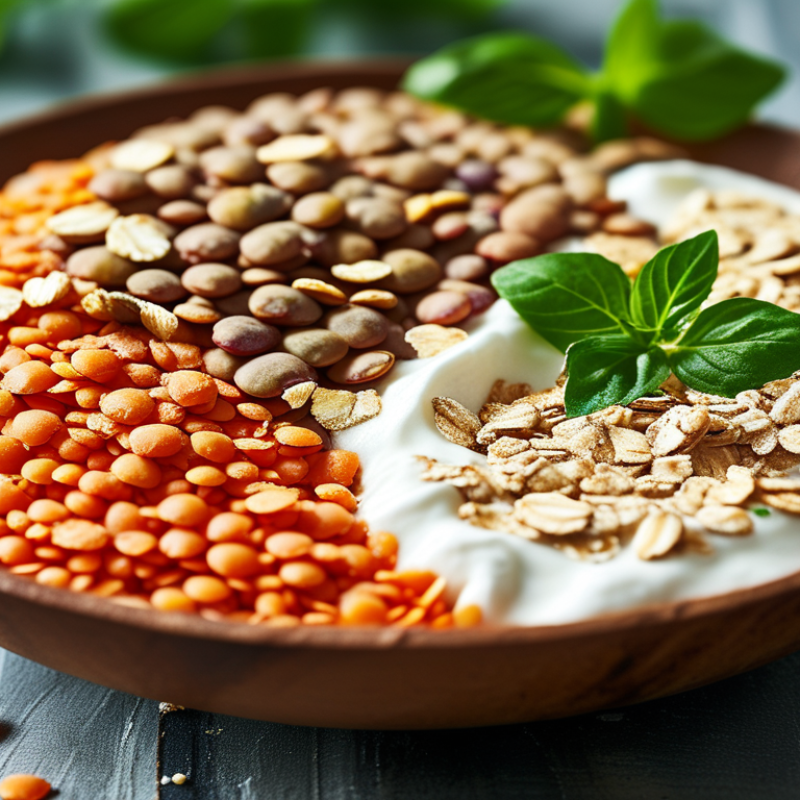
Texture improvement starts with a measurable target. ISO 11036 provides a structured approach for describing texture through trained sensory evaluation. Set clear targets for hardness, adhesiveness, and cohesiveness. These three metrics reveal whether a product feels firm, sticky, or pleasantly integrated during chewing. Use simple reference samples, such as cooked grains, soft tofu, or dense biscuits. Panelists should evaluate samples at the same temperature and serving size. Small testing errors can distort results.
Seven practical levers can move these scores: hydration, particle size, protein selection, fat distribution, heating, shear, and storage control. Adjust hydration gradually. Excess water may reduce hardness, while poor hydration can create a dry center. Finer particles often produce smoother textures, but they may remove a desirable bite. Heat can strengthen or weaken protein networks. Shear changes structure too, sometimes more than expected.
Record sensory comments beside numerical ratings. “Slightly gummy after chewing” may explain a disappointing cohesiveness score. We once focused on firmness and overlooked surface stickiness. The product passed the texture test, yet felt tiring after several bites. That mistake changed our process. Sensory panels need training, but they also need honest discussion. Results should be repeated across batches and storage days. ISO 11036 offers discipline, not a perfect answer. Consumer preference can still challenge the laboratory result.
Plant-based texture starts with protein selection, not seasoning. Choose concentrates or isolates containing 70–90% protein, depending on the target bite. Higher protein levels usually support stronger networks during heating and shearing. They can also create dryness. Balance remains essential.
In pilot trials, I would test three particle sizes before changing the recipe. Fine particles create a smoother, denser bite. Medium particles can deliver a fibrous chew. Oversized particles may feel grainy or separate after hydration. A practical starting range is 100–500 micrometres, followed by hydration tests at the intended moisture level.
Bite starts here. Water temperature, mixing speed, and resting time can shift the result significantly. I still miss the target sometimes.
This work matters as demand expands. The Good Food Institute’s 2023 State of the Industry report recorded US plant-based meat retail sales of about 2.2 billion dollars in 2022. The Food and Agriculture Organization reports global pulse production above 90 million tonnes annually, showing the scale of available protein crops. Yet raw materials vary by crop, harvest, and processing method. Measure protein content, moisture absorption, and particle distribution for every lot. Use a simple compression test, then confirm results through trained sensory panels. A product may look smooth but break too quickly between the teeth. Small changes matter.
7 Best Ways to Improve the Texture of Plant-Based Foods?
High-moisture extrusion is one of the strongest tools for building meat-like texture. It usually operates at 50–70% moisture, where hydrated proteins move through a heated twin-screw barrel. Shear aligns protein molecules into long, fibrous layers. The cooling die then fixes that structure before cutting. The Good Food Institute reported approximately 8 billion dollars in global plant-based meat retail sales in 2022. Texture now matters as much as nutrition and price.
The moisture range is not a magic formula. At 50%, the product may feel firm, dense, or slightly rubbery. At 70%, it may become soft and lose its bite. Protein type, screw speed, barrel temperature, and residence time all change the result. Small adjustments matter. In practical trials, a pale slab can emerge with visible fibers but still fail during chewing. A 2023 review in Trends in Food Science & Technology links stronger fibrous formation to protein hydration, controlled shear, and directional cooling. Operators should measure water activity, hardness, springiness, and cooking loss after extrusion. Sensory testing remains essential. Instrument readings cannot fully predict a satisfying bite. This is where many formulations need more reflection. A cheaper ingredient blend may process smoothly, yet create a dry center after reheating. The best texture is usually engineered across extrusion, cooling, storage, and final cooking.
High-moisture extrusion at 50–70% moisture can create a fibrous, meat-like structure by supporting protein alignment and reducing excessive melt viscosity.
Practical texture-improvement approaches
In addition to selecting the right moisture level, texture can be improved through protein prehydration, controlled shear, optimized barrel temperature, cooling-die design, suitable binders, and post-extrusion hydration. The chart compares commonly used moisture windows in plant-based food processing. High-moisture extrusion generally operates around 50–70% moisture, while low-moisture extrusion uses substantially less water and hydrothermal cooking uses a higher-water environment.
Moisture ranges are generalized processing windows reported in plant-protein and extrusion-processing literature; actual settings depend on formulation, protein source, equipment, and target texture.
7 Best Ways to Improve the Texture of Plant Based Foods?
Plant-based texture improves when fat, starch, and hydrocolloids work as a system. The Good Food Institute’s 2023 State of the Industry report identifies sensory quality as a continuing development priority. A 2022 review in Food Hydrocolloids also connects hydrocolloid hydration with firmness and water release.
Start with small screening trials. Test fat at 1–5% to soften dry, brittle structures. Use finely dispersed oil, not large oily pockets. Add starch at 1–5% for body and a cleaner bite. Pre-gel part of the starch when a sliceable texture matters. Select hydrocolloids at 0.1–1%, while keeping the combined texture system within a practical 1–5% development range. Hydrate them separately. Cold mixing often creates weak, gritty gels.
Then adjust shear, heat, and resting time. High shear can create smoothness, but it may remove desirable fiber character. Cool the sample before judging firmness. Freeze–thaw testing reveals leaks that fresh samples hide. Run a simple sensory panel with ten to fifteen trained tasters. Ask about chew, juiciness, stickiness, and after-feel. Texture instruments can support these scores, but they cannot replace human judgment.
The first batch may fail.
Do not chase maximum firmness. A softer sample can feel more natural. However, excessive fat may produce a greasy coating, while too much starch can taste pasty. Record every change, including mixing temperature and hydration time. The most useful formulation is often not the smoothest one.
| № | Texture Improvement Strategy | Key Ingredients | Suggested Addition Level | Primary Texture Function | Recommended Application | Processing Considerations | Expected Texture Result |
|---|---|---|---|---|---|---|---|
| 1 | Balance solid and liquid fats | High-oleic vegetable oil, shea fat, cocoa butter, or other plant-derived solid fat | 1–5% total fat adjustment | Controls lubrication, juiciness, creaminess, and bite. A combination of liquid and solid fat can provide both moisture release and structural firmness. | Plant-based burgers, sausages, nuggets, filled products, and dairy alternatives | Disperse the fat phase evenly before cooking or extrusion. Excess solid fat may create a waxy mouthfeel, while excess liquid oil can weaken structure. | More succulent, less dry, smoother, and more cohesive eating quality |
| 2 | Use starch blends rather than a single starch | Waxy or regular starch combined with potato, tapioca, rice, or maize starch | 2–5% starch blend | Combines gel strength, water binding, elasticity, and freeze–thaw stability more effectively than one starch alone. | Plant-based meats, binders, patties, dumplings, and refrigerated ready meals | Hydrate starch sufficiently and control heating rate. High starch levels can produce excessive firmness, gumminess, or a pasty bite. | Improved sliceability, binding, chew, and resistance to crumbling |
| 3 | Add a low-dose hydrocolloid system | Methylcellulose, xanthan gum, guar gum, or a compatible cellulose-gum blend | 1–3% total structuring system; individual gums are often used below 1% | Increases water retention, viscosity, cohesion, and thermal structure. Some cellulose-based systems form a heat-set gel. | Plant-based burgers, meatballs, sausages, egg alternatives, and fillings | Disperse powders into dry ingredients or oil before hydration to reduce lumping. Hydration time and temperature strongly affect final viscosity. | More cohesive, juicy, springy, and less fragile texture |
| 4 | Build a protein–starch network | Textured vegetable protein, pea or soy protein, vital wheat gluten, and a compatible starch | 1–5% functional binder or network adjustment | Creates a continuous matrix that holds water and fat while improving firmness and chewiness. | Meat analogues, formed products, cutlets, and high-protein prepared foods | Hydrate proteins uniformly and avoid excessive shear after hydration. Protein source, particle size, and pH influence network strength. | Stronger bite, improved cohesiveness, and reduced crumbling during handling |
| 5 | Use fiber for moisture management | Oat fiber, citrus fiber, bamboo fiber, or other food-grade plant fibers | 1–4% fiber | Absorbs and distributes water, reducing purge and improving body without relying only on starch. | Plant-based patties, meatballs, baked products, spreads, and refrigerated foods | Prehydrate highly absorbent fibers when possible. Excessive fiber can create dryness, roughness, or a chalky mouthfeel. | Less syneresis, improved moisture retention, and a fuller bite |
| 6 | Create a controlled emulsion | Plant oil, aqueous phase, lecithin, and a protein or hydrocolloid emulsifier | 1–5% emulsification package | Reduces free oil, distributes fat droplets, and improves smoothness and lubrication. | Plant-based cheese, sauces, spreads, pâtés, and finely comminuted meat alternatives | Use adequate shear and add oil gradually. Stable emulsions require suitable water-to-fat ratios and sufficient emulsifying material. | Smoother, creamier, more uniform, and less greasy texture |
| 7 | Optimize hydration and thermal processing | Water, starch, hydrocolloid, and fat system adjusted together | 1–5% adjustment to the functional ingredient system | Controls starch gelatinization, protein setting, hydrocolloid hydration, and final moisture distribution. | Extruded products, patties, sausages, baked foods, and chilled or frozen formulations | Monitor mixing time, hydration temperature, cooking temperature, and cooling rate. Underprocessing causes weak structure; overprocessing can cause toughness or gumminess. | More consistent firmness, improved resilience, and reduced batch-to-batch variation |
Formulation levels are practical development ranges expressed as a percentage of the finished formula. Actual usage should be validated through sensory testing, water activity, texture analysis, shelf-life testing, and applicable regulatory requirements.
Texture can decide whether a plant-based product earns a second purchase. The Good Food Institute’s 2024 State of the Industry report valued global plant-based retail sales at approximately $29.9 billion in 2023. That scale raises expectations for realistic bites, clean breaks, and satisfying chew.
Developers should adjust water binding, protein structure, fat distribution, particle size, and processing temperature. Each change can alter hardness and springiness.
Use Texture Profile Analysis (TPA) to measure hardness, cohesiveness, springiness, and chewiness under controlled conditions.
Keep sample size, temperature, compression speed, and storage time consistent. ISO 11036:2020 also supports structured sensory profiling. Instrument data alone is not enough. A firm sample may score well mechanically but feel dry after three chews.
Test at least 100 consumers across relevant eating occasions. Serve coded samples in randomized order, then collect ratings for bite, juiciness, toughness, and overall liking.
Segment results by preparation method and dietary habits. Look for agreement between TPA and consumer feedback.
If hardness rises while liking falls, the formula needs attention. That result is useful, not disappointing.
In practice, reheating can expose weaknesses hidden in chilled samples. One limitation remains: 100 participants may reveal a direction, but not every market preference.
Repeat testing with a broader demographic when the texture target changes.
: A practical starting range is 50–70% moisture. At 50%, the product may feel dense or rubbery. At 70%, it may become soft and lose bite. Protein type, heat, screw speed, and cooling also matter.
Hydrated proteins move through a heated twin-screw barrel. Shear aligns them into long layers. A cooling die sets the structure before cutting. Visible fibers do not always guarantee satisfying chewing.
Screen fat and starch within roughly 1–5% during early trials. Use finely dispersed fat to avoid oily pockets. Starch can add body and a cleaner bite. Hydrocolloids often need separate hydration.
Too much fat may leave a greasy coating. Too much starch can create a pasty mouthfeel. Poorly hydrated hydrocolloids may produce gritty gels. The smoothest sample is not always the best one.
Texture Profile Analysis can measure hardness, cohesiveness, springiness, and chewiness. Keep sample size, temperature, compression speed, and storage time consistent. Measure water activity and cooking loss when possible. Numbers help, but they do not tell the whole story.
A firm sample may feel dry after only three chews. Human tasters can notice juiciness, stickiness, toughness, and after-feel. Use a trained panel of about ten to fifteen people for screening. Instrument results cannot fully predict eating satisfaction.
Test at least 100 consumers across relevant eating occasions. Serve coded samples in randomized order. Compare ratings for bite, juiciness, toughness, and overall liking. Larger studies may be needed when the target market changes.
Chilled samples can hide weak structure. Reheating may reveal a dry center or excessive softness. Freeze–thaw testing can expose water leakage. Texture should be judged across storage and cooking conditions.
Treat the result as useful evidence, not a simple failure. Reduce firmness, improve water binding, or adjust fat distribution. The first batch may fail. Record every change, including hydration time and mixing temperature.
Improving the texture of plant-based foods begins with clearly defining the desired eating experience. Using ISO 11036 as a sensory reference, developers can set measurable targets for hardness, chewiness, and juiciness or cohesiveness. These three performance metrics help translate consumer expectations into practical formulation and processing decisions, making it easier to compare prototypes and identify specific texture gaps.
For how to improve the texture of plant based foods, protein selection and structure formation are essential. Choosing ingredients containing approximately 70–90% protein and optimizing particle size can create a more satisfying bite. High-moisture extrusion at 50–70% moisture can then organize the proteins into a fibrous, meat-like structure. Texture can be further refined by balancing fats, starches, and hydrocolloids within roughly 1–5% formulation ranges. Finally, instrumental Texture Profile Analysis should be combined with feedback from more than 100 consumers to validate hardness, chewiness, and overall acceptance before finalizing the product.

Bolly Biology