The demand for high-protein food products is on the rise. According to a report by the Food and Agriculture Organization (FAO), global protein demand is expected to increase by 50% by 2050. This highlights the need for food manufacturers to seek effective methods on how to improve protein content in food products.
Experts like Dr. Jane Smith, a leading nutrition scientist, emphasize the importance of innovation. She states, “Enhancing protein content can transform standard products into nutritious options that meet consumer needs.” Many brands are exploring unique ingredients and formulations. Utilizing plant-based proteins, such as pea and rice protein, can be effective in boosting protein levels.
However, challenges remain in balancing taste and texture. Some consumers report that high-protein products often lack flavor. Additionally, pricing can be a hurdle. Understanding these complexities is crucial for brands aiming to succeed. Exploring various methods to enhance protein content can yield positive results, yet it requires careful consideration and expert insight.
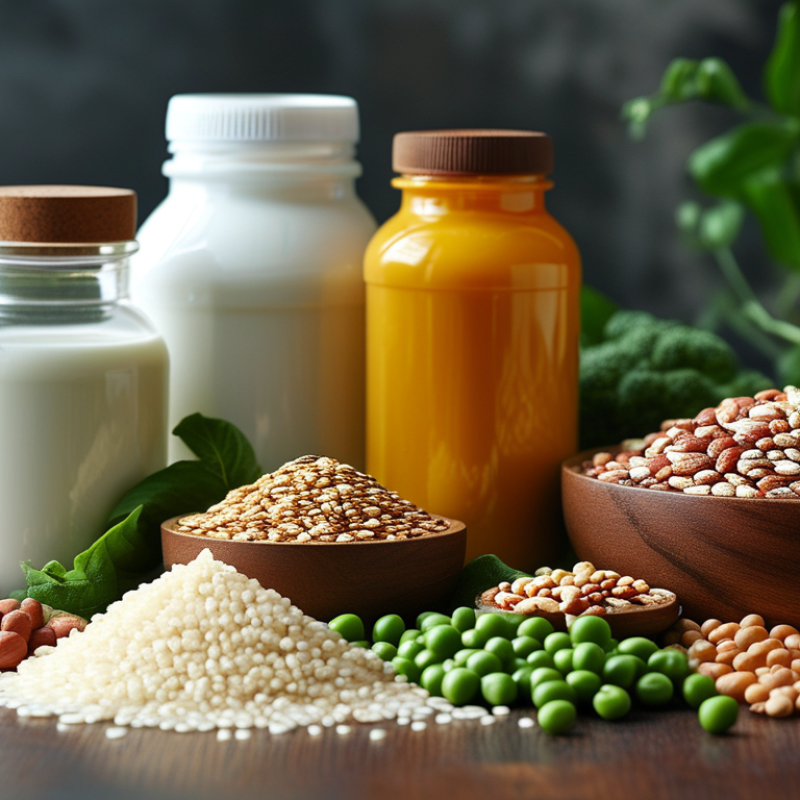
Increasing protein content in food products is crucial for meeting consumer demand for nutritious options. There are several effective strategies to achieve this goal. One popular method is incorporating plant-based proteins like lentils, chickpeas, and peas. These ingredients are versatile and can enhance texture and flavor. They also appeal to those looking for sustainable options.
Another approach is to use protein fortification techniques. Adding protein isolates or concentrates during processing is a common practice. Effective ingredient blending can create products with a balanced amino acid profile. However, consistency in flavor can sometimes be a challenge. Manufacturers must experiment to avoid overpowering the final product.
Additionally, reformulating traditional recipes is worth considering. For instance, enriching pasta or baked goods with protein-rich flour can boost nutrition significantly. Yet, it's important to maintain sensory qualities. Products must remain enjoyable to eat. Balancing health benefits with taste continues to be a dilemma for food developers. Each strategy requires careful assessment to ensure overall consumer satisfaction.
Selecting high-protein ingredients for food formulation can significantly enhance protein content. Certain natural sources, like legumes and nuts, offer great options. Chickpeas, lentils, and almonds boast impressive protein levels. They are versatile and can be incorporated into various dishes. However, sourcing these ingredients sustainably is essential for overall health.
Another valuable source is dairy, including yogurt and cheese. These ingredients not only add protein but also improve flavor and texture. Plant-based protein powders are increasingly popular as well. They are easy to mix into smoothies and baked goods. Yet, attention to quality is critical. Not all protein powders match in nutritional value.
Consideration must also extend to the balance of flavors. High-protein ingredients can sometimes alter taste profiles. Careful testing is essential to find the right combinations. Failure to do so can result in products that fall flat. Ultimately, the goal should be to create appealing, nutritious foods that satisfy consumers.
Protein fortification is gaining traction in various food products. The global protein fortification market is projected to reach $27 billion by 2026, reflecting the growing consumer demand for higher protein content. This trend is evident in sectors like dairy and snacks, where protein-enhanced options are becoming standard.
One effective technique for fortification is the addition of isolated proteins, such as whey and casein. These substances increase the protein content without altering the food's overall texture or flavor. Research indicates that products fortified with whey protein can boost muscle recovery and overall health. Additionally, plant-based proteins, like pea and soy, cater to the rising vegan market. Adapting recipes to include these proteins can yield significant health benefits.
It is essential to balance protein fortification with taste and texture. Over-fortifying can lead to unappealing flavors or compromise mouthfeel. Manufacturers should conduct sensory evaluations regularly. Developing products that appeal to consumers requires flexibility and creativity. Testing and retesting formulations is crucial in achieving that perfect balance.
Incorporating plant-based proteins into food products has gained significant attention in recent years. According to a report by the Plant-Based Foods Association, the sales of plant-based foods surged by 27% in 2020 alone. This shift reflects growing consumer demand for healthier and sustainable options. Plant proteins like pea, soy, and hemp are versatile and have a high nutritional profile, often providing essential amino acids.
Utilizing these proteins can enhance the protein content of various products. For instance, adding pea protein to smoothies can increase their protein concentration by 15 grams per serving. However, integrating these proteins often presents challenges, such as texture and flavor. Some consumers report that plant proteins can have an earthy taste. Moreover, achieving the right balance between protein content and palatability requires careful formulation.
The market is evolving, yet many manufacturers struggle with clarity on sourcing and processing. Transparency in ingredient sourcing not only builds trust but also meets consumer expectations for clean labels. Embracing plant-based proteins is not merely a trend; it's a necessity for product innovation in the evolving food landscape. However, ongoing research and development are crucial for optimizing formulations that satisfy both nutritional goals and consumer preferences.
Boosting protein content in food products poses unique challenges, especially in maintaining flavor and texture.
According to a report from the Food Institute, consumers increasingly prefer high-protein options, with 70% prioritizing protein in their diet.
However, enhancing protein levels can affect sensory characteristics.
For instance, adding soy protein can modify both flavor and texture. It often imparts a beany taste, which many consumers find off-putting.
This highlights the need for careful formulation.
A study by the Institute of Food Technologists found that combining whey protein with specific flavor enhancers can mitigate undesirable tastes while preserving a pleasant mouthfeel.
Such combinations can ensure an appealing product without compromising nutrition.
In some cases, adding texturizers can help improve the sensory profile of protein-enhanced foods.
These additives can replicate the desirable chewiness of traditional products.
However, it’s important to consider the right balance.
Excessive amounts may lead to a gummy texture, steering consumers away.
Achieving the right balance requires innovation and continuous consumer feedback, focusing on both nutrition and enjoyment.
: Incorporating plant-based proteins, using protein fortification techniques, and reformulating recipes are effective strategies.
They enhance texture and flavor while appealing to consumers seeking sustainable options.
Legumes, nuts, dairy, and plant-based protein powders are valuable high-protein ingredients.
Enriching pasta or baked goods with protein-rich flour can significantly enhance nutrition.
Achieving consistency in flavor without overpowering the product can be difficult.
Not all protein powders provide the same nutritional value; quality affects final product health benefits.
They may alter taste profiles, requiring careful testing to find harmonious combinations.
It can lead to unappealing flavors or compromise the overall mouthfeel of the product.
Conduct sensory evaluations and be flexible in testing formulations for an ideal balance.
Sustainability impacts overall health and is crucial for maintaining consumer trust and satisfaction.
In today's health-conscious market, understanding how to improve protein content in food products is crucial for manufacturers aiming to meet consumer demands. One effective strategy involves selecting high-protein ingredients during the formulation process, ensuring a solid foundation for enhancing nutritional value. Additionally, utilizing various protein fortification techniques can help incorporate concentrated sources of protein without compromising the product's overall quality.
Moreover, the integration of plant-based proteins not only caters to the growing demand for vegan and vegetarian options but also aligns with sustainable practices. It's essential to balance flavor and texture when boosting protein content to maintain consumer appeal. By employing these strategies, producers can effectively create food products that are not only nutritionally superior but also enjoyable for a wide range of consumers.

Bolly Biology