Understanding "what is the difference between plant protein and animal protein" is essential for making informed dietary choices. Dr. Jane Smith, a nutrition expert from Harvard University, once stated, "Plant proteins can offer unique benefits that animal proteins might not." This highlights the distinct properties and nutritional profiles of these protein sources.
Plant proteins, found in foods like beans, lentils, and nuts, are typically rich in fiber and antioxidants. They often come with lower saturated fat content. In contrast, animal proteins, present in meat, dairy, and eggs, are usually complete proteins containing all essential amino acids. Yet, they can be higher in cholesterol and saturated fat.
Both protein types offer unique benefits. However, it’s important to consider personal dietary needs. Some may need more plant protein, especially for heart health. Others might prioritize animal protein for muscle building. There’s no one-size-fits-all answer. Balancing both types could be central to a healthy diet. In exploring this balance, many questions arise. What works best for you? Understanding these differences can guide better food choices.
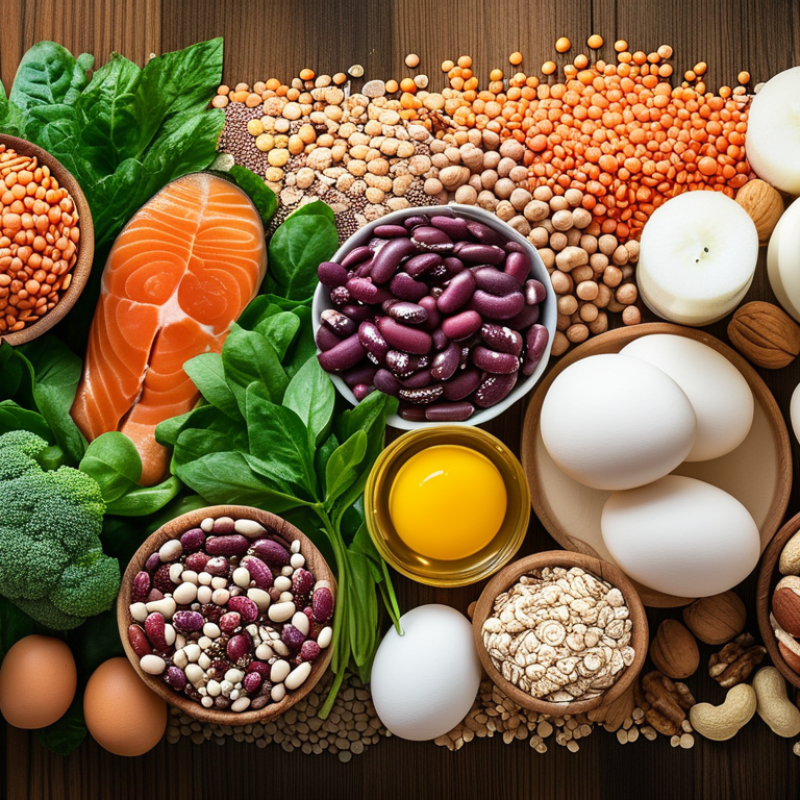
Understanding the Basics of Protein: Plant vs. Animal Sources
When exploring protein sources, it's essential to understand the differences between plant and animal proteins. Animal proteins, such as those found in meat, fish, and dairy, contain all essential amino acids. They are considered complete proteins. This makes them a convenient option for muscle repair and overall health. However, some individuals may find these sources harder to digest.
Plant proteins, found in legumes, nuts, and seeds, offer unique benefits. They are often packed with fiber and essential vitamins. However, most plant proteins are incomplete, lacking one or more essential amino acids. Combining different plant sources can help achieve a complete amino acid profile. For instance, rice and beans make a nutritious pairing.
Choosing between plant and animal proteins ultimately depends on individual dietary needs and preferences. Some may experience digestive challenges with animal sources. Others may embrace plant proteins for ethical or environmental reasons. It's crucial to consider personal health goals and lifestyle. Evaluating the nutritional profiles of various protein sources can lead to a better-informed choice.
Nutritional Composition: Key Differences Between Plant and Animal Proteins
The nutritional composition of plant and animal proteins varies significantly, influencing health outcomes and dietary choices.
Animal proteins, found in meat, dairy, and eggs, provide complete proteins. They contain all nine essential amino acids our body cannot synthesize. Reports show they are often higher in certain vitamins, such as B12, and minerals like iron. Yet, they also come with higher saturated fats, posing risks for heart health.
In contrast, plant proteins include legumes, nuts, and grains. While they are often incomplete, combining different sources can yield all essential amino acids. Studies suggest a diet rich in plant proteins can reduce the risk of chronic diseases. For instance, the American Institute for Cancer Research highlights that plant-based diets can lower cancer risks.
Furthermore, plant proteins are usually lower in calories and fat, making them ideal for weight management.
Tips: Balance your diet by combining animal and plant proteins. Consider incorporating a variety of legumes, such as chickpeas and lentils, into meals. Regularly integrate nuts and seeds; they can enhance flavor and nutrition. While these tips are effective, remember individual dietary needs vary. Reflect on what works best for your body.
Digestibility and Bioavailability: How the Body Absorbs Proteins
When it comes to the digestibility and bioavailability of proteins, significant differences emerge between plant and animal sources. Research indicates that animal proteins boast a higher digestibility rate, often exceeding 90%, while most plant proteins average around 70-80%. This difference is largely due to the amino acid profiles in protein sources. Animal proteins contain all essential amino acids in optimal ratios, making them easier for the body to absorb.
Bioavailability is another crucial factor. Animal proteins typically offer amino acids in forms that are more readily usable by the body. For instance, a study by the University of Illinois noted that the body can utilize approximately 90% of the amino acids from whey protein, whereas the utilization rate for many plant proteins, such as soy, is lower at around 74%. This can impact muscle synthesis and recovery, especially for athletes or individuals focused on building lean muscle mass.
However, it's essential to consider the unique benefits of plant proteins. While they may have lower digestibility, they come packed with fibers, antioxidants, and phytonutrients. These features contribute positively to overall health, highlighting the need to balance different protein sources. Understanding these differences can guide individuals in selecting the appropriate proteins based on personal health goals and dietary preferences.
Health Implications: Benefits and Risks of Plant and Animal Proteins
When it comes to protein sources, plant and animal proteins offer distinct health implications. Research shows that consuming plant-based proteins can lower the risk of chronic diseases. A study published in the "American Journal of Clinical Nutrition" found that those who eat more plant protein have a 10% lower risk of cardiovascular disease. Plant proteins, such as legumes and nuts, are rich in fiber and antioxidants, promoting heart health.
On the other hand, animal proteins, such as meat and dairy, provide essential amino acids. The Dietary Guidelines for Americans suggest that animal products can support muscle mass, especially in older adults. However, high consumption of red and processed meats has been linked to increased cancer risk. The World Health Organization has classified processed meats as a probable carcinogen. Balancing both protein types is crucial. The key is moderation and variety. Relying heavily on one source may limit nutrient intake. Understanding these implications helps individuals make informed dietary choices.
How to Differentiate Between Plant Protein and Animal Protein? - Health Implications: Benefits and Risks of Plant and Animal Proteins
| Protein Type |
Source |
Benefits |
Risks |
Amino Acid Profile |
| Plant Protein |
Legumes, Nuts, Seeds, Grains |
Lower in saturated fat, Rich in fiber, Antioxidants |
Incomplete protein sources (may lack some essential amino acids) |
Varies by source, often lower in certain essential amino acids |
| Animal Protein |
Meat, Dairy, Eggs |
Complete protein source, High in certain nutrients (B vitamins, Iron) |
Higher in saturated fat and cholesterol, May increase risk of some diseases |
Complete profile with all essential amino acids |
Environmental Impact: Sustainability of Plant-Based vs. Animal-Based Diets
The environmental impact of plant-based and animal-based diets varies significantly. Research indicates that producing one kilogram of beef generates approximately 27 kilograms of carbon dioxide equivalents. In contrast, one kilogram of lentils leads to just 0.9 kilograms of emissions. This stark difference highlights the sustainability concerns surrounding animal farming.
Water usage is another critical factor. Animal agriculture accounts for about 80% of global agricultural water use. Producing one pound of beef requires roughly 1,800 gallons of water. Alternatively, plant-based proteins such as chickpeas require around 250 gallons for the same amount. These figures prompt a reevaluation of our dietary choices in the context of environmental sustainability.
Despite these statistics, the transition to plant-based diets isn't without challenges. Cultural preferences and perceived nutritional deficiencies can hinder adoption. Moreover, industrial agriculture for plant proteins can also lead to biodiversity loss and soil degradation. Addressing these issues requires ongoing research and a holistic approach to food systems. The complexity of our food choices is evident, inviting reflection on both plant and animal protein sources.
Environmental Impact: Sustainability of Plant-Based vs. Animal-Based Diets
FAQS
: Plant proteins often lack certain amino acids. Animal proteins provide complete protein with all essential amino acids.
Plant proteins can lower the risk of chronic diseases and are rich in fiber. They promote heart health and overall well-being.
High intake of red and processed meats may increase cancer risk. Moderation is key to avoid potential health issues.
Producing animal proteins, especially beef, generates significantly more carbon emissions than plant proteins like lentils.
Combining both plant and animal proteins can enhance nutrient intake. Individual dietary needs and preferences may vary.
Adoption can be challenging due to cultural preferences. There might be concerns about nutritional adequacy as well.
Animal agriculture uses about 80% of agricultural water. Producing one pound of beef requires 1,800 gallons compared to 250 gallons for plant proteins.
Focusing exclusively on plant proteins may limit some essential nutrients. Striking a balance is essential for optimal health.
Animal proteins support muscle mass, especially in older adults due to their complete amino acid profile.
Include legumes, nuts, and seeds in meals. Regularly experimenting with different combinations can enhance flavor and nutrition.
Conclusion
In exploring what is the difference between plant protein and animal protein, it’s essential to understand the fundamental distinctions in their sources and nutritional composition. Plant proteins, derived from legumes, nuts, seeds, and grains, often contain lower levels of certain essential amino acids compared to animal proteins found in meat, dairy, and eggs. However, they are typically higher in fiber, vitamins, and antioxidants, contributing to overall health benefits.
Additionally, digestibility and bioavailability play crucial roles in how efficiently the body absorbs these proteins. While animal proteins tend to be more easily digested and utilized, plant proteins may offer unique health benefits and reduced health risks, such as lower cholesterol levels. Lastly, considering the environmental impact, plant-based diets generally promote sustainability compared to animal-based diets, which contribute to higher greenhouse gas emissions and resource use. Understanding these factors can help individuals make informed dietary choices.

 Bolly Biology