The global market for plant proteins is expanding rapidly. As consumers shift towards plant-based diets, understanding "how digestible are vegetal proteins" becomes crucial. According to a report by MarketsandMarkets, the plant protein market is projected to reach $20.5 billion by 2025, growing at a CAGR of 8.4%. This shift highlights the need to evaluate protein sources' digestibility for nutritional adequacy.
Experts emphasize the importance of digestibility in plant proteins. Dr. Jane Goodall, a renowned nutritionist, has stated, “Assessing digestibility is key in determining the overall value of plant-based proteins.” Digestibility not only affects nutritional uptake but also influences consumer choices. Despite these advancements, questions remain. Regulating the quality and digestibility of these proteins is complex. Some available plant proteins may not be as bioavailable as their animal counterparts.
Research suggests significant variability in digestibility among plant protein sources. For example, soy protein is generally well absorbed, while some legumes present challenges. This complexity demands further examination and transparency. As global buyers increasingly explore plant proteins, they must consider both digestibility and source quality. The urgency to address these issues cannot be overstated. Understanding "how digestible are vegetal proteins" is vital for a healthier future.
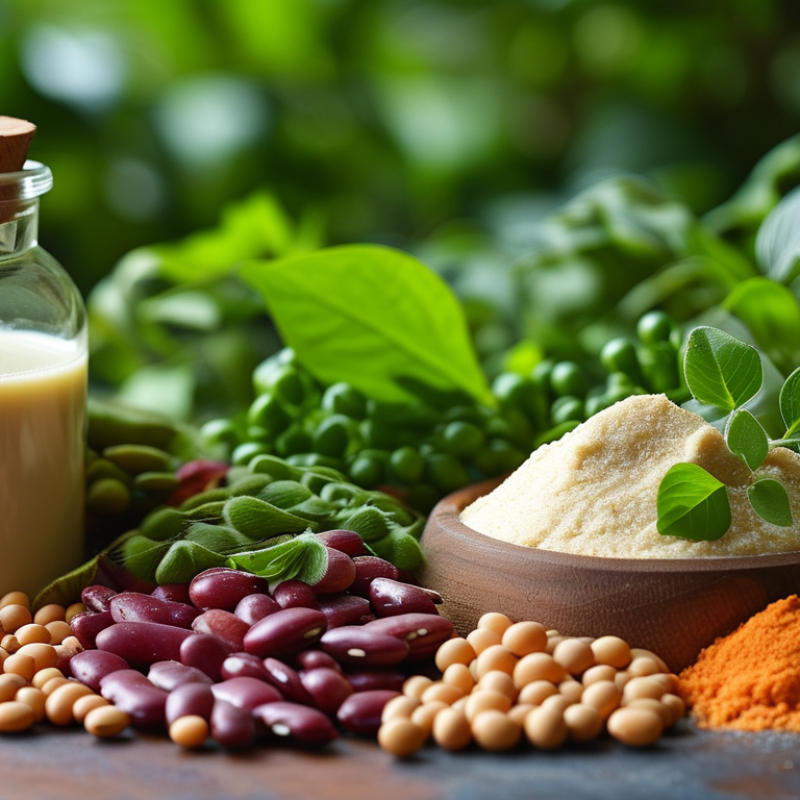
Understanding Plant Proteins: Nutritional Value and Benefits
The nutritional value of plant proteins is gaining attention worldwide. According to a report by the Food and Agriculture Organization (FAO), protein from plants can be as beneficial as animal sources. However, digestibility remains a concern. Studies reveal that most plant proteins have lower digestibility compared to animal proteins. For instance, soybean protein is notable, but even it has a digestibility score of around 90%, while whey protein sits near 100%. This variance impacts global buyers seeking high-quality protein sources.
Moreover, the amino acid profile of plant proteins varies significantly. Many contain lower amounts of essential amino acids. For example, legumes often lack sufficient methionine. This deficiency is crucial for those relying solely on plant-based diets. A study published in the Journal of Nutrition shows that combining different plant proteins can help balance this discrepancy. However, many consumers might overlook this aspect, leading to potential nutritional gaps. It's essential for buyers to educate themselves about these proteins' amino acid compositions.
Factors Affecting Digestibility of Plant Proteins
The digestibility of plant proteins varies significantly for global consumers. This digestibility is influenced by several factors, including the type of plant source. Legumes, for instance, generally offer a higher digestibility than grains. This can affect how well the proteins can be absorbed and utilized by the body.
Another factor is the presence of anti-nutritional compounds, such as phytates and tannins, that can hinder protein absorption. These compounds are common in many plant foods. The preparation method also plays a role. Cooking, soaking, or fermenting can reduce these anti-nutrients, improving overall digestibility. However, not all methods are equally effective, and some may alter the nutritional content.
Additionally, individual dietary habits and gut health can affect protein digestion. Some people may experience more discomfort after consuming certain plant proteins. It highlights the importance of personalized nutrition. Understanding these factors allows consumers to make informed choices. Balancing plant protein sources could be key to maximizing nutrient intake while considering digestibility.
Comparison of Digestibility Between Plant and Animal Proteins
When we consider protein sources, digestibility plays a crucial role in their effectiveness. Plant proteins are often perceived as less digestible compared to animal proteins. This is largely due to differences in amino acid profiles and the presence of antinutritional factors in plants. These factors can hinder protein absorption. For example, proteins from legumes might contain lectins or phytates, which can reduce their digestibility.
On the other hand, animal proteins are generally more complete in terms of essential amino acids. They are easily broken down by our digestive systems. Proteins from eggs or dairy show high digestibility rates. However, they come with their own set of concerns, such as ethical and environmental considerations. Buyers are increasingly seeking plant-based sources due to health and sustainability factors. Despite this, the challenge remains in matching the digestibility of animal proteins with plant-based alternatives. More research is needed to enhance the digestibility of plant proteins to meet rising global demands.
Some expert opinions suggest that combining different plant protein sources can improve overall digestibility. For instance, mixing grains with legumes can provide a more balanced amino acid profile. However, not all consumers are aware of these combinations. This knowledge gap can lead to misconceptions regarding plant protein quality. So, there’s a pressing need for education on how to maximize the benefits of plant-based proteins.
Market Trends: Demand for Plant Proteins Among Global Consumers
The demand for plant proteins is rising significantly worldwide. According to a recent report by the Good Food Institute, plant-based protein sales grew by 27% in 2020 alone. This surge reflects changing consumer preferences towards healthier, sustainable diets. Global buyers are increasingly interested in plant proteins due to their nutritional benefits and lower environmental impact.
Different regions exhibit varying trends in plant protein consumption. In North America, for instance, around 57% of consumers are actively seeking plant-based options. Meanwhile, markets in Europe are focusing on meat alternatives that utilize ingredients like peas and soy. Notably, a survey by Mintel found that 41% of consumers in Asia Pacific are exploring plant protein as a viable substitute for animal protein. However, there is still skepticism about taste and texture among some consumer segments.
Despite the upward trend, challenges persist. Many consumers are unaware of the nutritional profiles of plant proteins. Others may struggle with digestibility compared to animal proteins. More education is needed to address these concerns. Additionally, the market must innovate continuously to produce palatable plant-based options that meet consumer demands. Data from the International Food Information Council indicates that while interest is high, nearly 30% of consumers are still hesitant to fully commit to plant protein diets, highlighting an area for further exploration and development.
Challenges in Sourcing and Utilizing Plant Proteins for Buyers
Sourcing plant proteins presents unique challenges for global buyers. Many companies struggle to find reliable suppliers who can meet demand consistently. Variability in crop yields can disrupt supply chains. Buyers must account for fluctuations in availability, which complicates long-term planning.
Quality and digestibility are key concerns. Not all plant proteins offer the same nutritional benefits. For example, certain legumes are rich in protein but may lack specific amino acids. This inconsistency requires buyers to conduct thorough research on the proteins they wish to source. Taste, texture, and digestibility must also be considered. Some products may not perform well in various applications.
Additionally, sustainability is a major factor. Buyers are increasingly aware of the environmental impact of their choices. Sourcing practices must align with global sustainability goals. This can be difficult, as not all suppliers adhere to ethical practices. Buyers need to engage in due diligence to ensure their sources are both reliable and sustainable. Balancing these factors requires ongoing reflection and adjustment.
FAQS
: Plant proteins can be as beneficial as animal sources, but digestibility varies.
Digestibility affects how well proteins are absorbed and utilized by the body.
Many plant proteins have lower essential amino acids, like methionine in legumes.
Combining different plant proteins can address these nutritional gaps effectively.
The plant type, anti-nutritional compounds, and preparation methods influence digestibility.
Compounds like phytates can hinder absorption, making it harder for nutrients to be utilized.
Cooking, soaking, or fermenting can reduce anti-nutrients and enhance absorption.
Some may feel discomfort after certain plant proteins, highlighting the need for personalized nutrition.
Many overlook amino acid compositions, risking potential nutritional deficiencies.
It can lead to gaps; balance and variety are crucial for optimal nutrition.
Conclusion
In the exploration of "How Digestible Are Plant Proteins for Global Buyers?", the article highlights the nutritional value and benefits of plant proteins, emphasizing their role in a balanced diet. Factors influencing the digestibility of these proteins include protein structure, presence of anti-nutrients, and individual digestive variations. A comparison illustrates that while plant proteins can be less digestible than animal proteins, their improved formulations are closing this gap.
Market trends indicate a rising global demand for plant proteins, driven by health consciousness and sustainability preferences among consumers. However, buyers face challenges in sourcing and utilizing these proteins effectively, including variability in quality and processing methods. Overall, understanding how digestible are vegetal proteins is crucial for both consumers and industry stakeholders in making informed choices.

 Bolly Biology