In recent years, the food manufacturing industry has seen a surge in interest surrounding vegetal proteins. These proteins, derived from plants, offer a sustainable alternative to traditional animal proteins. What are the benefits of vegetal proteins in food manufacturing? They enhance nutritional profiles, cater to diverse dietary needs, and reduce environmental impact.
Many food manufacturers are exploring ways to incorporate these proteins into their products. This shift not only appeals to health-conscious consumers but also addresses growing concerns about sustainability. Plant-based ingredients can significantly lower the carbon footprint of food production. However, challenges remain. The texture and flavor of vegetal proteins can vary. This variability may affect product consistency and acceptance among consumers.
Moreover, effective utilization of vegetal proteins requires expertise. Companies must navigate sourcing, formulation, and processing. Those that master these elements can maximize the benefits and innovate successfully in a competitive market. Balancing quality with sustainability is not an easy task, but it is essential. Embracing this challenge could lead to a more resilient and responsible food manufacturing landscape.
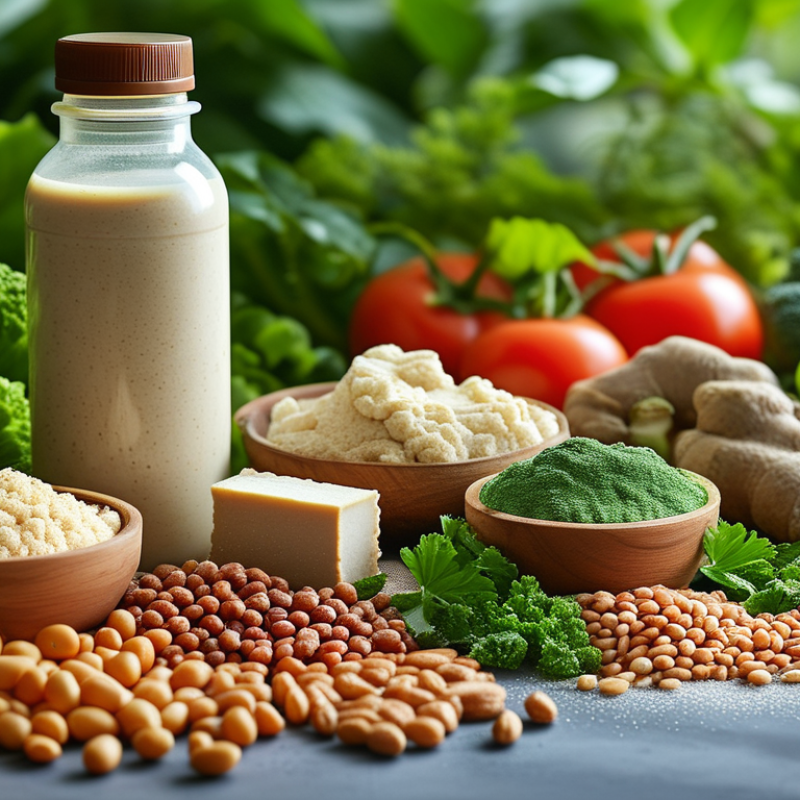
Strategies for Integrating Plant-Based Proteins into Product Formulation
Integrating plant-based proteins into food products requires careful consideration of formulation strategies. A recent report by the Plant-Based Foods Association indicates that plant-based protein sales have surged by 27% over the past two years. This trend suggests that consumers are seeking healthier, sustainable options. Therefore, food manufacturers must tap into this demand for greater acceptance and market share.
One effective approach is to enhance the sensory profile of plant proteins. This includes experimenting with textures and flavors. For instance, combining pea protein with other natural ingredients can create a more appealing mouthfeel. Studies show that 70% of consumers engage more with products that offer diverse textures. Another strategy is to fortify plant proteins with essential amino acids. Such adjustments not only improve nutritional value but also align with consumer preferences for complete protein sources.
Balancing formulation and production is crucial. Challenges arise, such as protein solubility and product stability. It’s crucial to conduct sensory tests regularly. Feedback allows for fine-tuning formulations. Monitoring regulations is equally essential. The plant-based market is evolving rapidly, and ensuring compliance is vital for long-term success. Manufacturers must embrace constant innovation while reflecting on their strategies for effective integration.
Maximizing the Benefits of Vegetal Proteins in Food Manufacturing
This chart illustrates the protein content of various common plant proteins, which can be integrated into food manufacturing for maximizing nutritional benefits. Properly utilizing these proteins can enhance product formulation and appeal to health-conscious consumers.
Understanding the Nutritional Profile of Various Vegetal Proteins
When exploring vegetal proteins, it's essential to understand their unique nutritional profiles. Plant-based proteins come from sources like legumes, nuts, and grains. Each source offers a different amino acid composition, which is crucial for human health. For instance, lentils are rich in lysine but low in methionine. In contrast, quinoa provides a complete amino acid profile, making it a valuable option. This diversity opens doors for creative formulations in food manufacturing.
Incorporating various vegetal proteins can enhance both nutrition and taste. However, not all proteins are equal in digestibility. Some, like soy, are well-absorbed, while others may present challenges. For manufacturers, it’s vital to balance taste and nutritional benefits. Experimenting with blends can yield products that are both satisfying and healthy. Additionally, understanding allergenic potential is key; some consumers may react to certain proteins, necessitating careful labeling and formulation.
The nutritional benefits also extend to vitamins, minerals, and fiber found in plant proteins. These elements contribute to overall health and well-being. Yet, manufacturers should continually review sourcing and processing methods. Inconsistencies can affect nutritional quality. A thoughtful approach can ensure that products not only meet consumer demands but also contribute positively to dietary needs.
How to Maximize the Benefits of Vegetal Proteins in Food Manufacturing? - Understanding the Nutritional Profile of Various Vegetal Proteins
| Protein Source |
Protein Content (g/100g) |
Essential Amino Acids |
Advantages |
Common Uses |
| Soy Protein |
36 |
Complete |
High digestibility, cholesterol-free |
Meat alternatives, protein bars |
| Pea Protein |
25 |
Rich in lysine |
Allergen-friendly, gut-friendly |
Smoothies, baked goods |
| Hemp Protein |
33 |
Complete |
High in omega fatty acids |
Health foods, protein powders |
| Brown Rice Protein |
24 |
Low in lysine |
Great for recovery, hypoallergenic |
Protein supplements, meal replacements |
| Quinoa Protein |
16 |
Complete |
High fiber content, nutrient-rich |
Salads, grain bowls |
Analyzing Consumer Trends and Demand for Plant-Based Ingredients
The demand for plant-based ingredients has surged in recent years. According to a report by ResearchAndMarkets, the global plant-based protein market is projected to reach $27 billion by 2027, driven by consumer preferences for healthier options. More consumers are transitioning to plant-based diets. This trend reflects a growing awareness of health issues and ethical considerations.
Recent surveys indicate that 48% of consumers actively avoid animal products. This shift is significant, as younger generations focus on sustainability and nutrition. They seek foods that align with their values. As a result, manufacturers must rethink their ingredient sourcing. There is potential in legumes, grains, and nuts, which offer diverse flavors and textures.
Despite the opportunities, challenges remain. Quality and taste must meet consumer expectations. Many brands struggle with formulating appealing textures in their products. On the other hand, partnerships with local farmers can foster sustainability and enhance ingredient quality. Relying on plant proteins is not just beneficial; it’s a strategic move to maintain competitiveness in this evolving market.
Optimizing Processing Techniques for Enhanced Protein Functionality
Optimizing processing techniques is crucial for enhancing the functionality of vegetal proteins. According to a report by MarketsandMarkets, the plant-based protein market is projected to reach $34.03 billion by 2027. This growth emphasizes the importance of refining processing methods to improve protein solubility and emulsification properties. Techniques like hydrolysis and fermentation can significantly enhance these qualities, making proteins more versatile in food applications.
Different processing methods affect protein functionality. For instance, high-temperature processing can denature proteins, altering their structure and functionality. A study published in the Journal of Food Science found that enzymatic treatments can preserve protein integrity while enhancing nutritional properties. This suggests that a tailored approach to processing may yield better results, improving texture and taste in end products.
It's important to note that not all vegetal proteins react the same way during processing. Some proteins may lose functionality under certain conditions. Understanding these nuances is vital for manufacturers. Experimenting with smaller batches can help identify optimal conditions. This iterative process of trial and error often reveals unexpected outcomes that could enhance product quality, though it may require additional resources and time.
Evaluating Cost-Effectiveness of Plant Proteins in Food Production
The cost-effectiveness of plant proteins in food production is gaining traction. A report from the Good Food Institute indicates plant-based protein products are often less expensive to produce compared to meat alternatives. This shift is pertinent, given the rising cost of animal proteins. For instance, producing 1 kg of pea protein costs about $3.50, while animal protein can reach $6.00 per kg.
In addition to cost savings, plant proteins offer numerous nutritional benefits. They provide essential amino acids and are often lower in saturated fat. However, the perception of plant proteins sometimes aligns with quality concerns. Some consumers still doubt the taste and texture of these alternatives. Addressing these concerns means investing in research and development to enhance flavor profiles and mouthfeel.
Furthermore, the scalability of plant protein production is crucial. While current outputs are promising, there’s a need for more efficient manufacturing processes. For example, optimizing extraction techniques could reduce costs further. Industry leaders must collaborate to improve supply chain logistics as well. As food manufacturers strive for sustainability, balancing cost with quality remains a challenge worth addressing.
FAQS
: Vegetal proteins come from plants, including legumes, nuts, and grains. They provide various nutritional benefits.
Each plant protein has a unique amino acid composition. For example, lentils are high in lysine, while quinoa offers a complete profile.
Some proteins are more easily absorbed than others. For instance, soy has high digestibility, while others may pose challenges.
Experimenting with blends can enhance taste and nutrition. Careful formulation is key to meet consumer expectations.
Some consumers may react to specific proteins. It’s important to label products clearly and choose ingredients wisely.
Techniques like hydrolysis can enhance protein functionality. However, high temperatures may denature proteins, altering their quality.
Many consumers are adopting plant-based diets. This trend reflects growing health awareness and ethical considerations.
Achieving quality and appealing textures can be difficult. Many brands struggle to meet these consumer demands.
Collaborating with local farmers can enhance ingredient quality. This partnership can also foster sustainability in sourcing.
Experimenting with small batches can reveal optimal conditions. This trial and error may require time but can yield better products.
Conclusion
The article "How to Maximize the Benefits of Vegetal Proteins in Food Manufacturing?" explores several key strategies for effectively incorporating plant-based proteins into food product formulation. It emphasizes understanding the nutritional profiles of various vegetal proteins, which can enhance product appeal and nutritional value. Moreover, the article highlights the importance of analyzing consumer trends and increasing demand for plant-based ingredients, driving innovation in food manufacturing.
To optimize the use of these proteins, processing techniques must be evaluated for enhanced functionality, ensuring they meet performance requirements in recipes. Additionally, the article discusses the cost-effectiveness of utilizing plant proteins in production, presenting a comprehensive view of what are the benefits of vegetal proteins in food manufacturing. By leveraging these strategies, food manufacturers can not only meet modern consumer preferences but also contribute to a more sustainable food system.

 Bolly Biology