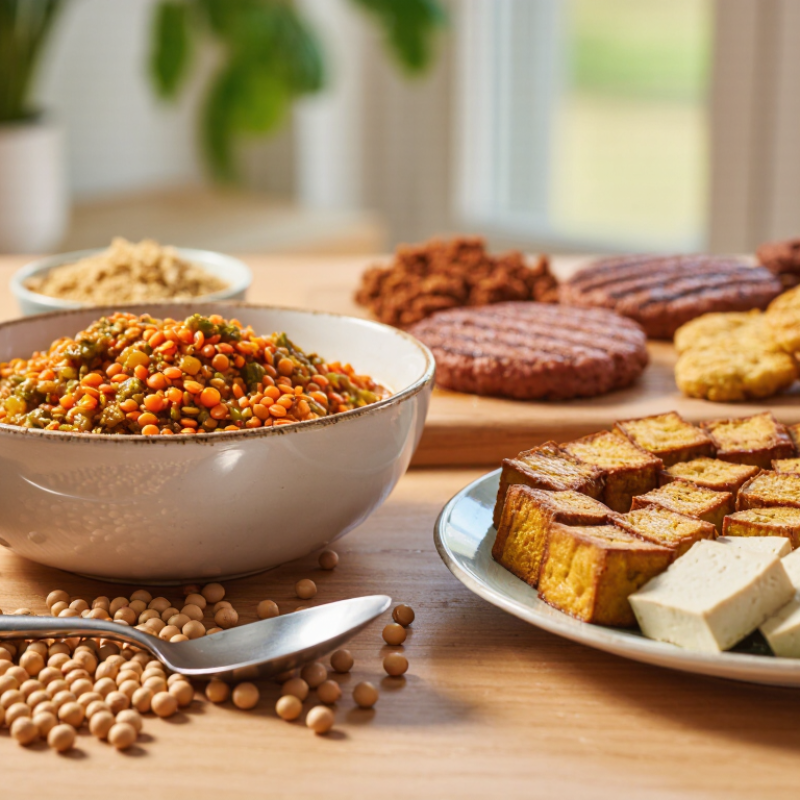
Plant-based protein comes from foods such as lentils, chickpeas, tofu, tempeh, peas, and soy. It can also appear in newer meat alternatives, shaped into burgers, nuggets, or mince. The ingredients vary, and so do their nutrition profiles. A lentil stew is not nutritionally identical to a processed plant-based patty. That distinction matters.
Why do consumers prefer plant based proteins? There is no single answer. Some shoppers want more variety on their plates. Others consider animal welfare, environmental impact, or health when choosing foods. Price, taste, convenience, and familiar cooking habits also influence decisions. A chilled tofu block, for example, may appeal to someone who wants a quick stir-fry, while a ready-made burger suits a different routine. Preferences shift, too. We should be careful not to assume every consumer has the same motives.
Food writer Michael Pollan offered a memorable guideline: “Eat food. Not too much. Mostly plants.” It is a broad principle, not a detailed guide to protein quality or individual nutrition needs. Still, it helps frame the subject without treating plant-based eating as a cure-all. Consumers deserve clear information about ingredients, protein content, and how products fit into a balanced diet. Some products are convenient; others may be costly or heavily processed. Both points can be true. This introduction explores what plant-based protein means and why its appeal continues to grow, while leaving room for a less tidy reality: preference depends on the person, the product, and the meal.
What Plant-Based Protein Means: Protein Sourced from Plants
Plant-based protein means protein obtained from plants rather than animal foods. Common sources include beans, lentils, peas, soy, nuts, seeds, and whole grains. A bowl of lentils with brown rice, for example, brings together two familiar plant foods with different nutrient profiles. Plant-based does not automatically mean highly processed. A handful of roasted chickpeas and a packaged meat alternative both fit the term, but their ingredients can differ greatly.
The USDA FoodData Central database lists cooked lentils at about 9 grams of protein per 100 grams. That makes them a useful everyday option, though protein content is only one part of nutrition. Fiber, iron, sodium, and preparation methods also matter. The FAO’s report Dietary Protein Quality Evaluation in Human Nutrition explains that protein quality depends on amino-acid composition and digestibility. In practice, eating varied plant foods across the day can help provide a broader range of amino acids; every meal need not be perfectly engineered. Simple works. Still, “plant-based” is a broad label, and it can hide meaningful differences between whole foods and heavily formulated products. Reading the ingredient list is a small but useful habit.
Key Sources: Legumes, Soy, Nuts, Seeds, and Grains
Plant-based protein is not one ingredient. It comes from familiar foods, each with a different texture and nutrient profile. Lentils and beans bring protein, fiber, and a hearty bite to soups and grain bowls. The FAO reports that dry pulses typically contain 20–25% protein by weight. Soybeans are especially concentrated: USDA FoodData Central lists about 36 grams of protein per 100 grams of dry soybeans. Tofu, tempeh, and edamame make soy easy to use in everything from stir-fries to packed lunches. Simple, not bland.
Nuts and seeds add protein alongside unsaturated fats; pumpkin seeds, for example, provide about 30 grams per 100 grams, according to USDA FoodData Central. Grains contribute too, though usually less per serving than legumes. Oats, quinoa, and whole-wheat bread can help round out meals, especially when paired with beans or nuts. Variety matters. In practice, texture can be as important as numbers: toasted seeds add crunch, while mashed beans make a filling sandwich spread. One caveat: protein figures vary with processing and portion size, and a large number on a label does not automatically make a food a balanced choice. I still find that easy to overlook.
Nutrition and Processing: Comparing Plant and Animal Protein
Plant-based protein comes from foods such as beans, lentils, tofu, nuts, and grains. Animal protein comes from meat, eggs, dairy, and seafood. Both can supply amino acids, the building blocks the body uses to maintain and repair tissue. The details differ. Soy and quinoa provide all nine essential amino acids, while many other plant proteins contain lower amounts of one or more. Eating varied protein foods across the day can help fill those gaps; every meal does not need to be perfectly planned.
Processing also shapes nutrition. A bowl of lentils offers protein with fiber, while plain chicken provides protein with little carbohydrate and no fiber. Plant foods often bring fiber and naturally occurring carbohydrates; animal foods can provide nutrients such as vitamin B12 and highly absorbable iron. But food labels matter. A heavily salted meat product and a minimally processed bean dish are not equivalent choices, even if both contain protein. Not so simple. Plant-based foods can also be highly processed, and “plant-based” alone does not guarantee better nutrition. Processing may improve texture, safety, or convenience, yet added sodium and saturated fat deserve a look. Comparing portions, ingredients, and nutrient needs gives a more useful picture than treating either protein source as automatically superior.
Environmental Impact: FAO Attributes 14.5% of Human-Caused Emissions to Livestock
What Is Plant Based Protein and Why Do Consumers Prefer It?
The FAO has attributed about 14.5% of human-caused greenhouse gas emissions to livestock supply chains. This widely cited estimate includes more than animals themselves: feed production, land-use change, processing, and transport also contribute. The exact share can vary with methods and data, so it is useful context, not a precise measure for every meal. Still, replacing some animal-based foods with beans, lentils, peas, or tofu can reduce the food-related footprint. A bowl of lentils takes little space in a kitchen and can provide filling protein without requiring livestock production. Plant-based choices may also appeal to people seeking variety or lighter meals. They are not automatically impact-free; growing, processing, and shipping food all use resources.
Tips: Try one practical swap, such as chickpeas in a stew or beans in a lunch wrap. Check the ingredient list and nutrition facts, especially if you rely on a product as a main protein source. Pairing different plant foods across the day can help provide a range of amino acids. Keep expectations realistic. One change will not solve climate change, and I may be understating how much food choices depend on income, access, and culture.
Consumer Demand: GFI Reports $1.2 Billion in U.S. Plant-Based Meat Sales in 2023
Plant-based protein is not one product. It includes beans, lentils, tofu, and meat alternatives made from plants. The category attracts shoppers seeking convenient protein, variety, or meals aligned with personal values. Yet consumer interest does not guarantee repeat purchases. Taste, price, and texture still matter at the dinner table.
The Good Food Institute and SPINS reported that U.S. plant-based meat retail sales reached $1.2 billion in 2023. That figure shows a substantial market, but it needs context: sales fell 12% in dollars from 2022, while unit sales dropped 19%. Plant-based meat also represented about 1.2% of total U.S. meat sales by dollar value. A large headline number, then, does not mean the category is growing steadily. Shoppers may be curious, but a costly package or dry bite can change their minds. That part is easy to overlook. These figures describe retail purchases, not every reason people choose plant-based protein. Still, they suggest that preference depends on more than ideals: flavor, affordability, and dependable cooking results help determine whether a product earns a place in the weekly basket.
FAQS
Lentils and beans offer protein and fiber. Soybeans, nuts, seeds, and grains add more options.
Dry pulses typically contain 20–25% protein by weight. A bowl of lentils can make a hearty meal.
Yes. Tofu, tempeh, and edamame work in stir-fries or packed lunches. Simple, not bland.
Pumpkin seeds provide about 30 grams of protein per 100 grams. Sprinkle them over oats for a crunchy bite.
Usually not per serving. Oats, quinoa, and whole-wheat bread can still round out meals with beans or nuts.
Not by itself. Processing and portion size affect the numbers, and I still find labels easy to misread.
Replacing some animal-based foods with lentils, peas, beans, or tofu may reduce a meal’s footprint. It is not impact-free.
Add chickpeas to stew or beans to a lunch wrap. Check the nutrition facts if a packaged food is your main protein source. One swap helps, but access and cost matter too.
Conclusion
Plant-based protein is protein obtained from plants, including legumes, soy, nuts, seeds, and grains. These foods can supply essential nutrients, though their protein content, amino acid profiles, and processing methods vary. Compared with animal proteins, plant-based options range from minimally processed whole foods to formulated products designed to resemble meat, so checking nutritional information can help consumers understand what they are eating.
The question of why do consumers prefer plant based proteins has several possible answers. Some people value the variety of plant protein sources, while others are drawn to their potential environmental benefits. The Food and Agriculture Organization attributes 14.5% of human-caused emissions to livestock, making the environmental impact of food production part of the conversation. Consumer interest is also reflected in the market: the Good Food Institute reports that U.S. plant-based meat sales reached $1.2 billion in 2023.

 Bolly Biology