Top 10 Ways Plant Proteins Are Used in Meat Alternatives

Time:2026-11-07 Author:Amelia
0%

Plant proteins do more than replace meat’s protein content. They help shape the bite, juiciness, color, and cooking behavior of burgers, sausages, and nuggets. Soy, pea, wheat, and other plant sources each bring different strengths. Their performance depends on processing, formulation, and the ingredients around them.

The question “how are vegetal proteins used in meat alternatives” has several practical answers. Some proteins form the main structure; others help bind water or hold fats in place. Food makers may blend protein sources, then use heat, pressure, or extrusion to create fibrous textures. A pea-protein patty, for example, can feel firm and savory, yet still cook differently from beef. Small details matter.

This guide explores ten common uses, from building texture to improving nutrition and product stability. It also considers trade-offs: flavor masking can add complexity, and a longer ingredient list does not guarantee a better product. The texture still gives the game away sometimes. Protein choices can affect cost, allergens, and sustainability claims, so broad promises deserve careful checking. Results vary by product and process. Understanding these uses helps readers assess meat alternatives with more confidence—and ask better questions about what is actually in the package.
Top 10 Ways Plant Proteins Are Used in Meat Alternatives

Plant Protein Sources Used in Meat Alternatives

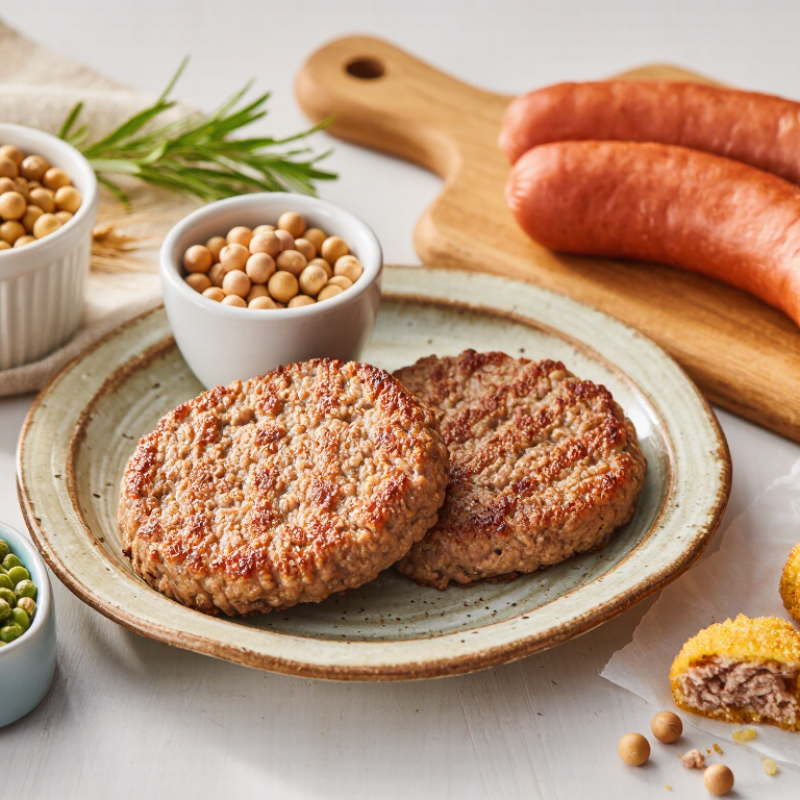
Plant proteins give meat alternatives their structure, bite, and much of their nutritional value. Soybeans are widely used because tofu and concentrated soy proteins can form firm, cohesive textures. Pea protein brings a mild flavor and blends well with seasonings, though some products can taste slightly earthy. Wheat gluten, often called seitan, creates a chewy, fibrous bite. It is not suitable for people who need to avoid gluten.

Lentils, chickpeas, and beans offer familiar flavors and useful protein, especially in patties and fillings. Their natural starches help bind mixtures, but moisture can make a patty soft or crumbly. Fava beans and rice proteins also appear in blends, balancing texture and flavor. Texture matters. A protein source rarely works alone; fats, fibers, and careful processing often shape the final bite. Not every blend works. I have found that a slightly uneven texture can feel more satisfying than an overly uniform one, though preferences differ.

Tips: Check the ingredient list for the main protein source, then consider allergens and texture. For homemade patties, drain legumes well and chill the mixture before cooking.

How Plant Proteins Create Meat-Like Structure and Texture

Plant proteins do more than provide nutrition; they help create the bite of meat alternatives. During high-moisture extrusion, heat, pressure, and shear reshape hydrated proteins into aligned, layered structures. Soy and pea proteins can form these fibers, while wheat gluten often adds elasticity. The result can pull apart in strands instead of crumbling like a dry patty. Water matters. Too little may make a product tough; too much can leave it soft and spongy.

Texture also depends on how ingredients work together. Starches can help retain moisture, and plant oils add richness and lubrication. In a cooked slice, these details influence whether the surface browns while the center stays tender. Protein source, particle size, and processing conditions all change the final chew, so products with similar protein levels may feel quite different. There is no perfect imitation. Some fibrous products can seem rubbery, and a consistently satisfying bite is not guaranteed. That limitation deserves attention, not a glossy claim.

Tips: When comparing products, check the texture after heating, not only straight from the package. Cook a small piece first. Notice whether it springs back, separates into strands, or releases excess water. A slight textural flaw may reflect the challenge of balancing firmness with tenderness.

How Plant Proteins Support Binding, Moisture, and Flavor

Plant proteins do more than add protein to meat alternatives. Soy, pea, and wheat proteins can bind ingredients as they hydrate and form networks during heating. These networks help a patty hold together when flipped, while water-binding proteins keep its center from drying out too quickly. The result depends on the formula: too much protein can make a bite dense or chalky. Texture is a balancing act.

Moisture also carries flavor. Fat, salt, and seasonings disperse differently when proteins absorb water, so a juicy-looking product may still taste flat. The Good Food Institute and SPINS reported that U.S. retail sales of plant-based meat and seafood reached $1.2 billion in 2023. That market figure makes consistent texture and flavor practical priorities, not just lab goals. Still, plant proteins do not automatically recreate meat’s aroma or tenderness; processing and seasoning matter, and some fixes create new trade-offs.

Tips: Hydrate protein evenly before mixing, then cook a small test patty. Check whether it crumbles, squeezes out moisture, or tastes bland. Adjust water and seasoning in small steps. A little imperfect testing helps reveal what the final recipe needs.

Top 10 Plant Protein Ingredients in Meat Alternatives

Typical protein content per 100 g of dry ingredient

How they work: Protein-rich ingredients can help bind mixtures and form structure. Soy and pea proteins are often used for water retention and texture; wheat gluten helps create an elastic, cohesive bite. Ingredients such as lentils, beans, and chickpea flour can contribute flavor as well as body. Actual performance depends on processing and formulation.

Values are representative approximate protein contents for dry ingredients, not universal specifications. Actual values vary by variety and product; figures are informed by generic food-composition data, including USDA FoodData Central, and typical ingredient specifications.

Meat Alternative Products Made with Plant Proteins

Plant proteins appear in many meat alternative products, from familiar burger patties to quick lunch fillings. Soy, pea, and wheat proteins can provide structure, while beans and lentils often add a softer, heartier texture. A burger patty may brown at the edges, but its juiciness depends on the full recipe, not protein alone. Ground-style crumbles work in tacos or pasta sauces. Meatballs use binders to hold their shape, and plant-based sausages are seasoned for grilling or pan-frying. Small details matter.

Other common formats include nuggets, which pair a tender center with a crisp coating, and strips designed for stir-fries or wraps. Deli-style slices fit sandwiches, while plant-based hot dogs are made for buns and simple toppings. Breakfast patties bring plant proteins to a familiar morning meal. Jerky-style snacks offer a chewy, portable option. That makes ten distinct uses, though texture and flavor can vary widely between products.

Cooking changes the result. A hot pan can help crumbles and patties develop color, while crowded pans may leave them pale and soft. Check package directions, since moisture levels and cooking times differ. One honest limitation: some alternatives rely on added salt, oils, or binders to achieve their texture. Reading the ingredient list can help match a product to a meal, especially when you want a shorter ingredient list or a particular protein source. I still find texture hardest to replicate.

Processing and Nutrition Factors in Plant-Protein Applications

Top 10 Ways Plant Proteins Are Used in Meat Alternatives
Processing and Nutrition Factors in Plant-Protein Applications

Plant proteins can form patties, nuggets, sausages, and mince-like fillings. Soy, pea, wheat, and other proteins behave differently during processing. Some bind water well; others need help from oils, starches, or fibers. Texture matters. In extrusion, heat, pressure, and moisture shape proteins into layered, chewable structures. Grinding and mixing then distribute those pieces through a product. Small changes in moisture can make a patty feel springy or dry.

Nutrition depends on more than protein grams per serving. Check the ingredient list and nutrition panel for sodium, saturated fat, fiber, and added micronutrients. Protein quality also varies: some plant sources are lower in certain essential amino acids, while combining ingredients can improve the overall profile. Processing can affect texture and digestibility, but its effects depend on the ingredients and method. The trade-offs are easy to miss. A product designed to mimic meat may use more salt or oil than expected, so compare similar serving sizes.

Tips: For home cooking, avoid overworking plant-based mince; it can become dense. Add moisture gradually, then cook a small test portion before seasoning the full batch. If a texture feels too soft, adjust the binder or cooking time—not both at once. Formulations are rarely perfect, and a better bite does not automatically mean better nutrition.

Top 10 Ways Plant Proteins Are Used in Meat Alternatives - Processing and Nutrition Factors in Plant-Protein Applications
Application Common protein ingredients Typical processing approach Functional role Nutrition and formulation factors
Burgers and patties Soy, pea, wheat, or blends of legume proteins Protein ingredients are mixed with water, fats, flavorings, and binders, then formed and cooked. Some formulations use texturized protein pieces. Provides protein structure and helps hold the patty together; fats and binders contribute juiciness and cohesion. Protein content varies by recipe. Sodium and saturated fat depend on added ingredients; soy and wheat require attention to allergen labeling.
Nuggets and breaded bites Textured soy or pea protein, sometimes combined with starches Hydrated protein is shaped into pieces, coated with batter and crumbs, then baked, fried, or otherwise cooked. Creates a firm interior; coatings provide a crisp outer layer and help retain shape during cooking. Breading can add carbohydrates and sodium. Frying increases fat, while baking methods may use less added oil.
Sausages and hot dogs Soy, pea, wheat gluten, or protein blends Ingredients are finely comminuted, mixed with water, oil, seasonings, and binders, then stuffed or molded and heat-set. Emulsifying and binding ingredients help create a cohesive texture; proteins contribute structure. Seasoned products can be high in sodium. Wheat gluten contains gluten, and soy-based formulations need appropriate allergen declarations.
Ground-meat alternatives Textured soy, pea, faba bean, or wheat protein Dry or hydrated texturized pieces are sized and blended with water, oil, color, and flavor ingredients. Porous pieces absorb water and seasonings and provide a granular texture suited to sauces and fillings. Hydration changes the protein concentration per serving. Check finished-product nutrition, since added salt and fats can vary considerably.
Whole-cut-style pieces Pea, soy, wheat, or mixed plant proteins High-moisture extrusion can align protein structures into fibrous, layered textures; pieces are then shaped and cooked. Aligned fibers aim to provide directional bite and a more meat-like structure. Texture depends on protein type, moisture, heat, and extrusion conditions. Blends can help balance texture and amino-acid profiles.
Deli slices and sandwich fillings Soy, wheat gluten, pea protein, or blends Protein mixtures are formed into blocks or sheets, cooked, chilled, and sliced; binders may be used to improve sliceability. Provides a compact structure that can be cut into thin, uniform slices. Processed slices may contain substantial sodium. Wheat-based products contain gluten; formulations should be checked for allergens.
Plant-based seafood-style products Soy, pea, wheat, or legume protein blends Proteins are shaped, layered, or gelled to make flakes, fillets, or formed pieces; seaweed-derived ingredients may provide marine flavor. Protein structures supply body and bite, while starches or hydrocolloids can help control flaking and moisture. Plant proteins do not inherently provide the long-chain omega-3 fats found in oily fish; nutrient content depends on added oils and fortification.
Meatballs and dumpling fillings Textured soy or pea protein, lentil or chickpea ingredients, and wheat protein Hydrated proteins are mixed with seasonings and binders, portioned, and cooked by baking, steaming, or simmering. Contributes a cohesive, tender filling that can retain its shape during cooking. Legume ingredients can contribute dietary fiber, while refined protein isolates may contain less fiber. The amount depends on the formulation.
Jerky-style snacks Soy, wheat gluten, pea protein, or combinations Protein dough or texturized sheets are seasoned, formed, and dried to reduce moisture and create a chewy texture. Protein structure provides chew; drying concentrates the solids and helps produce a shelf-stable snack when properly processed. Seasonings can raise sodium, and drying concentrates nutrients per unit weight. Storage safety depends on validated processing and packaging.
Protein blends for improved nutrition and texture Combinations such as pea with rice, or soy with wheat or other legumes Protein sources are blended before extrusion, mixing, or forming to balance processing behavior and product texture. Blending can adjust water binding, firmness, and bite; the effect varies with ingredient properties and processing conditions. Different plant proteins have different amino-acid patterns. Complementary sources can improve the overall balance, but quality depends on proportions and the finished food.

Note: Protein content, amino-acid profile, sodium, fat, and fiber vary by ingredient and finished-product formulation. Allergen information should be checked on the product label.

FAQS

Which plant proteins are commonly used in meat alternatives?

Soy and pea proteins are common. Wheat gluten adds a chewy, fibrous bite. Lentils, chickpeas, beans, fava beans, and rice protein also appear in blends.

How do plant proteins create a meat-like texture?

Heat, pressure, and shearing can align hydrated proteins into layers. Soy and pea proteins may form fibers, while wheat gluten adds elasticity. The result can pull apart in strands.

Why can two products with similar protein levels feel different?

Protein source, particle size, moisture, and processing all affect texture. One product may feel tender, while another feels dense or rubbery. Protein numbers tell only part of the story.

How does water affect the texture of a plant-based patty?

Too little water can make a patty tough. Too much may leave it soft and spongy. Small recipe adjustments matter.

What helps a homemade legume patty hold together?

Drain lentils, chickpeas, or beans well, then chill the mixture before cooking. Their starches can help bind ingredients, but excess moisture may make patties crumbly.

Do plant proteins automatically create rich flavor?

No. Proteins absorb water, which affects how fat, salt, and seasonings spread. A juicy-looking patty can still taste flat.

How can I compare the texture of meat alternatives?

Heat a small piece and check whether it springs back, separates into strands, or releases water. The package texture may not tell the whole story.

Can plant proteins fully copy meat’s tenderness and aroma?

Not always. Processing and seasoning can help, but they may introduce new trade-offs. A slightly uneven bite can sometimes feel more satisfying, though preferences differ.

Conclusion

Plant proteins from sources such as soy, peas, wheat, beans, and other legumes provide the building blocks for many meat alternatives. The question of how are vegetal proteins used in meat alternatives can be answered through their roles in shaping structure, texture, moisture, and flavor. Depending on the protein source and processing method, they can form fibers or networks that help products resemble the firmness and bite of meat. They can also bind ingredients, retain water, and carry seasonings, supporting a satisfying taste and texture.

These proteins are used in products such as plant-based burgers, sausages, nuggets, and other meat-style foods. Their performance depends on factors including protein type, formulation, heat, pressure, and moisture levels during processing. Nutrition is also an important consideration: protein content, amino acid balance, and the addition of other ingredients can vary between products. Together, careful ingredient selection and processing help create alternatives with appealing texture, flavor, and nutritional qualities.

Amelia

Amelia

Amelia is a seasoned marketing professional with a wealth of expertise in our company’s core offerings. With an unwavering passion for driving growth and innovation, she plays a pivotal role in shaping our marketing strategies and enhancing brand visibility. A key aspect of her responsibilities......