How Are Vegtal Proteins Made for Global Sourcing?

Time:2026-06-30 Author:Mason
0%

The global demand for plant-based proteins is surging, driven by rising health consciousness and environmental concerns. The market for vegetal proteins is projected to reach $40 billion by 2025, according to a report by Mordor Intelligence. As consumers shift toward sustainable diets, understanding how are vegetal proteins made becomes essential for food manufacturers.

Creating high-quality vegetal proteins involves several steps that reflect both scientific innovation and traditional methods. Soy, peas, and lentils are often used as primary sources. Advanced processing technologies extract proteins while retaining their nutritional value. However, challenges persist in production efficiency and sourcing sustainability. For example, a large percentage of pea protein is imported, leading to questions about supply chain reliability.

While many companies strive for transparency in how are vegetal proteins made, inconsistencies in labeling and quality can confuse consumers. The industry must address these gaps to build trust. Overall, the evolution of vegetal protein production continues to require both expertise and a commitment to addressing consumer and environmental needs.
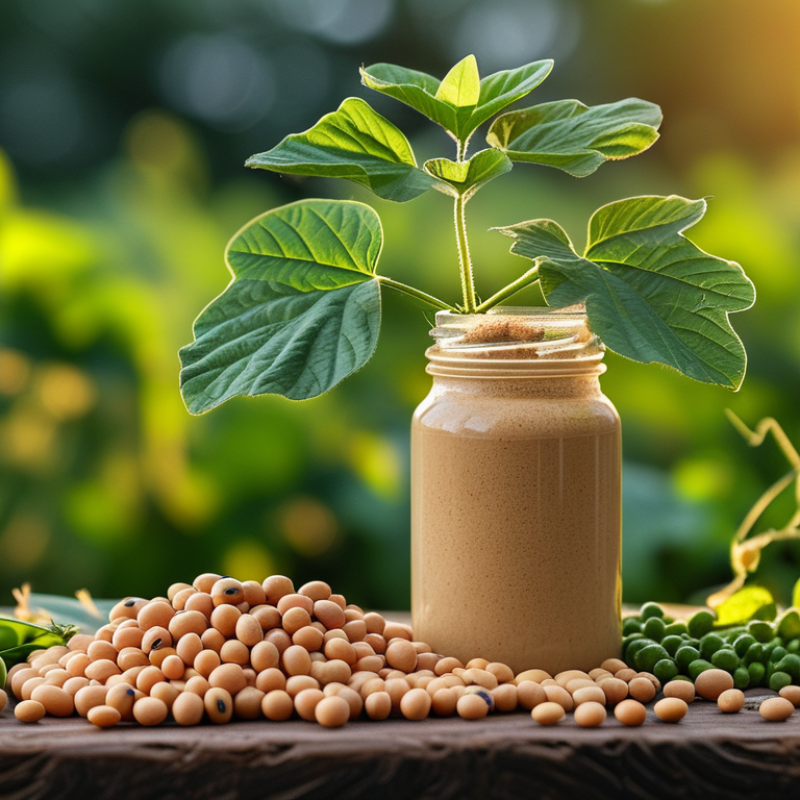
How Are Vegtal Proteins Made for Global Sourcing?

The Importance of Plant Proteins in Global Nutrition

Plant proteins play a pivotal role in addressing global nutrition challenges. As populations rise, the demand for sustainable food sources increases. Plant proteins are a viable solution. They provide essential nutrients without the high environmental cost of animal proteins. Pulses, grains, and seeds are rich in protein and widely available. These sources are not only nutritious but also help in reducing the ecological footprint of food production.

The importance of plant proteins extends beyond nutrition. They are crucial for food security. Many regions depend on crop cultivation for their livelihoods. By focusing on plant-based sources, we can improve local economies. However, there are challenges. Some areas struggle with crop yield and quality. Climate change is exacerbating these issues. Ensuring consistent availability of plant proteins requires innovative agricultural practices and research.

Plant protein consumption can also reduce health issues. Diets rich in plant proteins may lower the risk of chronic diseases. However, some individuals may find it challenging to get all essential amino acids. This gap highlights the need for education on balanced diets. Overall, while plant proteins offer great potential, ongoing efforts in research and sustainable practices are crucial for maximizing their benefits in global nutrition.

Sources of Plant Proteins: Key Ingredients for Global Sourcing

Plant proteins are gaining prominence in the global food industry. The diverse sources of these proteins include legumes, grains, nuts, and seeds. Peas, chickpeas, and soybeans are among the most popular choices. They are not only rich in protein but also packed with essential nutrients. The simplicity of cultivation makes them attractive for sustainable sourcing.

Additionally, grains like quinoa and amaranth provide high-quality protein. Their amino acid profiles complement those of legumes. This synergy enhances the nutritional value of plant-based diets. However, sourcing these proteins ethically requires careful consideration. Over-farming and monoculture can lead to environmental challenges. Sustainable practices are vital for protecting biodiversity and soil health.

The interest in plant proteins is evident globally. Countries are experimenting with various crops to meet rising demand. Yet, there is a need for innovation in processing technologies. Not all methods maintain the integrity of the nutrients. Addressing these challenges is essential for the future of global sourcing.

How Are Vegtal Proteins Made for Global Sourcing?

Source Protein Content (%) Key Nutrients Global Sourcing Regions
Soybeans 36-40 Iron, Calcium, Fiber North America, Brazil, Argentina
Peas 20-30 Fiber, Vitamin K, Magnesium Canada, Europe, USA
Chickpeas 20-25 Folate, Manganese, Phosphorus India, Australia, Turkey
Hemp Seeds 25-30 Omega-3, Omega-6, Magnesium Canada, China, USA
Brown Rice 7-10 Fiber, B Vitamins Asia, USA, Brazil

The Process of Extracting and Refining Plant Proteins

Plant proteins are increasingly popular as a sustainable alternative to animal proteins. The extraction and refining of these proteins involve several key steps. First, the selection of high-quality plant sources is crucial. Common options include peas, soybeans, and quinoa. Each source has its unique protein profile and potential for global sourcing.

Once selected, the extraction process typically begins with grinding the plant material. This increases the surface area for effective extraction. After grinding, solvents or water are used to separate the protein from carbohydrates and fats. This step requires careful management of temperature and pH levels to preserve the quality of the protein.

Tips: When choosing a plant protein, consider nutritional value and allergen potential. Ensure your source is sustainably grown. Refined plant proteins often undergo additional processing, such as drying and milling. This helps improve taste and texture, making them suitable for various applications in food products.

Reflection is essential in this process. While it is essential to maximize yield, one must also consider the environmental impact. Balancing efficiency with sustainability is challenging yet necessary.

Sustainability Practices in Plant Protein Production

Plant protein production is critical for global sustainability. The demand for plant-based proteins has surged, with a report from Global Market Insights noting a projected CAGR of 7% by 2027. These proteins, sourced from crops like peas, beans, and soy, require significantly less water than animal proteins. For instance, producing one kilogram of beef requires around 15,000 liters of water, while pea protein needs just 900 liters.

Sustainability practices in plant protein production focus on reducing carbon footprints. Regenerative agriculture, which enhances soil health, is gaining traction. This method not only increases biodiversity but also captures carbon, helping combat climate change. However, achieving scale remains a challenge. Some farmers struggle to transition to these sustainable methods due to cost and expertise.

Tip: Partner with local producers! This can strengthen community ties and reduce transportation emissions.

Furthermore, effective waste management is a key consideration. Some plant protein processes generate large amounts of by-products. Finding innovative uses for these can enhance overall efficiency. Nevertheless, it's essential to constantly evaluate these practices to ensure they meet sustainability goals and adapt over time.

Tip: Regularly analyze your supply chain for inefficiencies. Small adjustments can lead to substantial sustainability gains.

Challenges and Innovations in the Plant Protein Supply Chain

The plant protein supply chain faces significant challenges. Environmental factors, such as climate change, can impact crop yields. A report by the Food and Agriculture Organization (FAO) indicates that by 2050, climate change could reduce yields of major crops by up to 25%.

Sourcing plant proteins globally is complex. Different regions face unique agricultural hurdles. For instance, water scarcity is prevalent in many areas, affecting the availability and quality of plant-based ingredients. Innovations in agricultural technology are promoting resilience. For example, new drought-resistant crops show promise in arid zones, but they require substantial investment and time to develop.

Moreover, the rapid growth in demand for plant proteins poses logistical issues. The global market for plant-based proteins is projected to reach $40 billion by 2029, according to a recent market analysis. Supply chains must adapt quickly to meet this burgeoning demand. Transportation, storage, and processing must remain efficient to maintain product quality and availability. As stakeholders navigate these challenges, ongoing dialogue and cooperation in the industry are essential for sustainable growth.

Challenges and Innovations in Plant Protein Supply Chain

FAQS

: Why are plant proteins important for global nutrition?

: Plant proteins address nutrition challenges and provide essential nutrients sustainably. They reduce the environmental costs of food production.

What are common sources of plant proteins?

Common sources include pulses, grains, and seeds. Peas, soybeans, and quinoa are popular options for extraction.

How does climate change affect plant protein availability?

Climate change can reduce crop yields and quality. This creates challenges for consistent plant protein availability.

Can plant proteins help with health issues?

Diets high in plant proteins may lower chronic disease risks. However, some may struggle to get all essential amino acids.

How is plant protein extracted?

The extraction process starts with grinding plant material to increase surface area. Then, solvents separate proteins from fats and carbohydrates.

What should I consider when choosing a plant protein?

Assess the nutritional value and allergen potential. Ensure that the source is sustainably grown and environmentally friendly.

What additional processes do refined plant proteins undergo?

Refined plant proteins are often dried and milled, improving taste and texture for various food applications.

What are the ethical considerations in plant protein production?

Balancing efficiency and sustainability is challenging. The environmental impact should always be a key consideration.

Why is education important for plant protein diets?

Education is crucial for understanding balanced diets. Many individuals may not know how to obtain all essential amino acids.

Is there a perfect method for extracting plant proteins?

No, there can be imperfections in the process. Continuous reflection and improvement are necessary for sustainable practices.

Conclusion

The article "How Are Vegtal Proteins Made for Global Sourcing?" explores the critical role of plant proteins in addressing global nutrition needs. It highlights various key sources of plant proteins, emphasizing their significance as essential ingredients in food production. The detailed process of extracting and refining these proteins is outlined, showcasing the techniques used to maximize their nutritional value while ensuring quality.

Additionally, the article discusses sustainability practices implemented in plant protein production, aiming to minimize environmental impact and promote ethical sourcing. It also addresses challenges faced in the plant protein supply chain, such as consistency in supply and the need for innovation to meet rising global demands. Overall, the comprehensive examination of how are vegetal proteins made highlights their importance and potential in building a more sustainable food system.

Mason

Mason

Mason is a seasoned marketing professional with a deep expertise in the company's offerings and a passion for driving brand awareness. With a strong background in digital marketing strategies, he has an innate ability to connect with diverse audiences and effectively communicate product benefits.......