Explore our core selection of high-solubility plant proteins, seed isolates, and bioactive peptides engineered for international food and beverage processing.
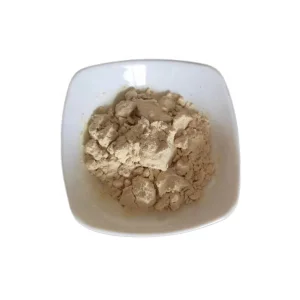
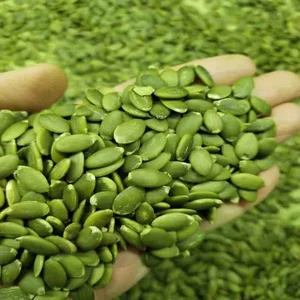
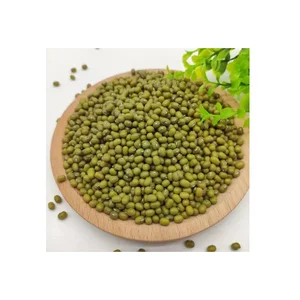
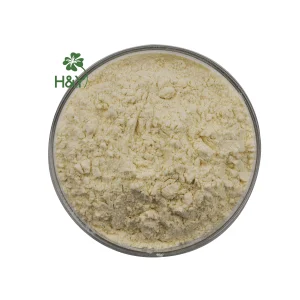
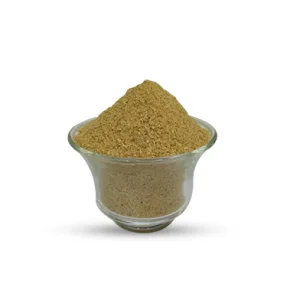
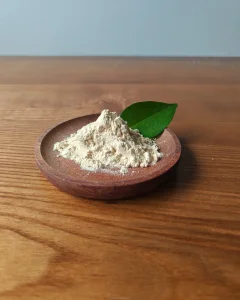
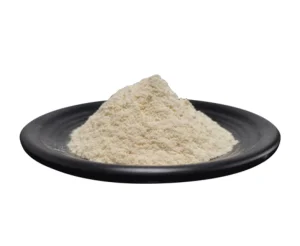
In the rapidly transforming landscape of functional plant ingredients, Brazil Nut Protein (derived from Bertholletia excelsa) is emerging as a premier choice for high-end nutritional engineering. Historically recognized for their rich lipid profiles, Brazil nuts are now being re-evaluated through advanced botanical extraction methods. By isolating the high-protein meal generated during cold-press oil extraction, manufacturers have unlocked a high-density, hypoallergenic, and nutrient-dense protein powder.
What sets Brazil Nut Protein apart is its exceptional amino acid profile. Unlike most plant proteins that are notably deficient in sulfur-containing amino acids, Brazil nut protein is packed with methionine and cysteine. Furthermore, it contains some of the highest natural concentrations of organic selenium (in the form of selenomethionine). This unique combination makes it a highly valuable ingredient for preventing cellular oxidative stress, boosting immune health, and supporting thyroid function.
Market Insight: Global consumer demand for clean-label, non-GMO, and soy-free protein alternatives has created a significant supply-demand gap for premium nut-based proteins. As food manufacturers seek to optimize the nutritional value of their products without compromising on taste, sourcing certified Brazil nut protein from reliable exporters has become a key priority for global buyers.
Sourcing premium Brazil nut protein requires a thorough understanding of the supplier's manufacturing process, quality control systems, and supply chain integrity. Unlike cultivated crops, the majority of Brazil nuts are wild-harvested from the Amazon rainforest. This unique sourcing model presents distinct challenges and opportunities that buyers must navigate carefully.
To guide global food, beverage, and nutraceutical buyers in selecting reliable partners, our technical team evaluated leading exporters based on four critical pillars:
Due to the humid conditions of the Amazon basin, mold contamination is a constant risk. Premium exporters must use advanced sorting technologies and climate-controlled shipping to keep aflatoxin levels well below strict European and US safety limits.
To preserve the functional properties of the protein, top-tier suppliers use physical, solvent-free cold-pressing techniques. This ensures the protein remains clean-label, chemical-free, and highly functional.
Because Brazil nuts are wild-harvested, ethical sourcing is essential. Reputable exporters work directly with forest communities, ensuring fair trade practices that protect the Amazon ecosystem.
When formulating plant-based foods and supplements, understanding the physical and chemical properties of the protein is essential. The table below outlines the standard specifications of high-purity Brazil nut protein isolate compared to standard plant protein sources:
| Analytical Parameter | Standard Brazil Nut Protein (De-Oiled) | Premium Brazil Nut Protein Isolate | Common Soy Protein Isolate (Ref.) |
|---|---|---|---|
| Protein Content (Dry basis) | 50.0% – 60.0% | 70.0% – 80.0% | 90.0%+ |
| Fat Content | 8.0% – 12.0% | < 3.0% | < 1.0% |
| Selenium (Se) Concentration | 15 – 35 ppm | 40 – 60 ppm | < 0.5 ppm |
| Methionine Content | 1.8g / 100g protein | 2.6g / 100g protein | 1.3g / 100g protein |
| Water Solubility (at pH 7.0) | Moderate (35% - 45%) | High (70% - 85%) | High (80% - 90%) |
| Allergen Declaration | Contains Tree Nuts | Contains Tree Nuts | Contains Soy (Major Allergen) |
While South America remains the primary region for harvesting wild Brazil nuts, China has become a key hub for high-tech protein refinement and exportation. Companies like Ningbo Bolly Biology Co., Ltd. leverage advanced processing technologies to refine raw materials imported from Brazil, Peru, and Bolivia into premium-grade proteins.
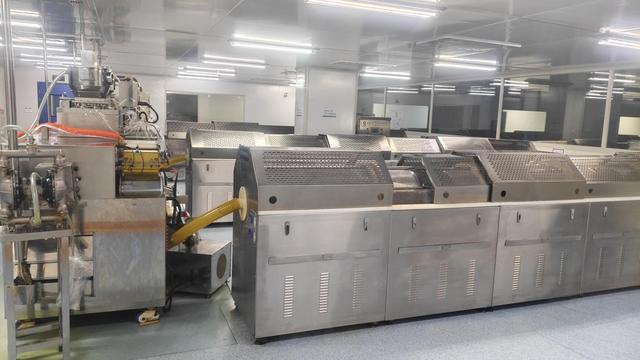
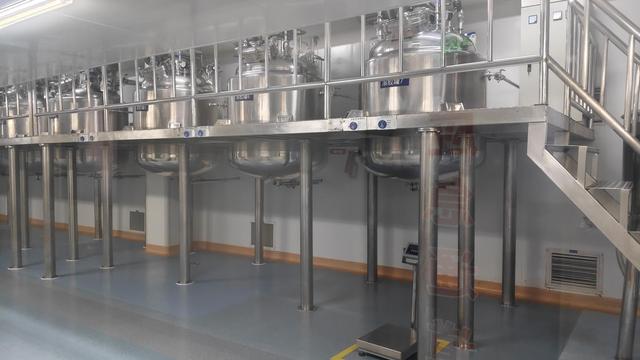
This processing model combines South America's natural resources with China's advanced manufacturing capabilities. Chinese processing centers utilize state-of-the-art technologies such as:
Ningbo Bolly biology Co., Ltd. is a leading China vegetal protein manufacturer specializing in high-quality plant protein ingredients for food and beverage applications. With a strong commitment to innovation, quality, and sustainability, the company provides comprehensive plant-based protein solutions to customers worldwide.
Leveraging advanced production technologies and strict quality management systems, Ningbo Bolly biology offers a diverse portfolio of vegetal protein ingredients, including soy protein, pea protein, rice protein, wheat protein, and other specialty plant proteins. These ingredients are widely used in functional foods, beverages, nutritional supplements, sports nutrition products, meat alternatives, dairy alternatives, bakery products, and health foods.
The company places great emphasis on research and development, continuously exploring new plant protein technologies to meet the evolving demands of the global food industry. Its experienced R&D team works closely with customers to develop customized ingredient solutions that enhance nutritional value, improve texture, optimize taste, and support clean-label product development.
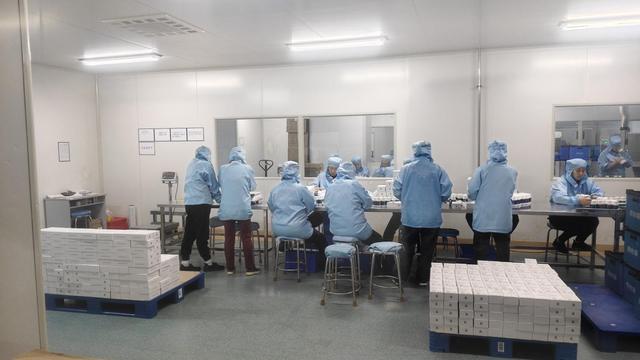
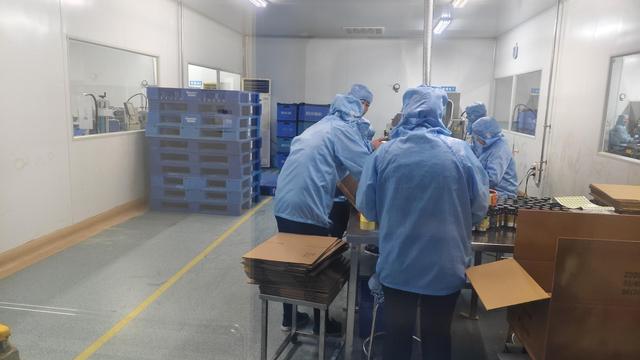
Quality and safety are at the core of Ningbo Bolly biology' operations. The company implements rigorous quality control procedures throughout the entire production process, ensuring that all products meet international standards and customer requirements. By maintaining consistent product quality and reliable supply capabilities, the company has established long-term partnerships with food manufacturers, distributors, and brand owners across multiple international markets.
Driven by customer satisfaction and sustainable development, Ningbo Bolly biology Co., Ltd. continues to deliver innovative vegetal protein solutions that help customers create healthier, more sustainable, and market-competitive food and beverage products worldwide.
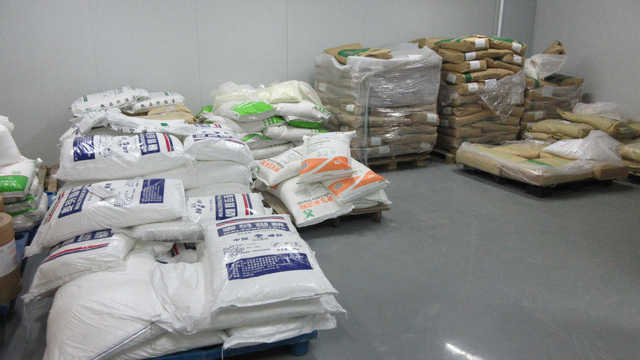

Procuring specialty plant proteins at an industrial scale involves addressing key operational challenges. For Brazil nut protein, these challenges include:
With its unique nutritional profile, Brazil nut protein is used across a variety of food and beverage applications:
Used as a natural source of selenium and essential amino acids like methionine, making it a valuable addition to clean-label immune support and thyroid health supplements.
Its high concentration of sulfur-containing amino acids makes it an excellent choice for post-workout formulas, aiding in muscle recovery and reducing exercise-induced oxidative stress.
Its natural, pleasant nutty flavor profiles make it an ideal choice for gluten-free baking mixes, high-protein energy bars, and premium plant-based spreads.
Protein Purity Isolate
Organic Selenium
Wild Harvest Source
Fat Content
When stored in cool (below 20°C), dry conditions and in its original unopened packaging, high-quality de-oiled Brazil nut protein has a shelf life of 18 to 24 months. Proper packaging, such as aluminum foil bags or nitrogen-flushed containers, is essential to prevent oxidation of the remaining lipids.
We enforce strict testing protocols at multiple stages of the supply chain. Every batch of imported raw material and finished protein powder is tested using HPLC (High-Performance Liquid Chromatography) to ensure total aflatoxins are well within international regulatory limits.
Yes, Brazil nuts are tree nuts, which are classified as a major food allergen in most regulatory jurisdictions (including the FDA and EFSA). As a result, products containing Brazil nut protein must carry a tree nut allergen warning on their labels.
Brazil nut protein has a high digestibility rating, with a PDCAAS close to 0.85 - 0.90. It is especially rich in methionine and cysteine, making it an excellent ingredient to blend with legume proteins (such as pea or fava bean) to create a complete amino acid profile.
Yes. While natural plant proteins can sometimes present solubility challenges, our premium isolates undergo a micronization process that reduces particle size and improves suspension, making them highly suitable for RTD beverages and functional shakes.
Our manufacturing and processing facilities are certified under major international standards, including ISO 22000, HACCP, GMP, USDA Organic, and Halal/Kosher. We provide complete analysis certificates (COA) and heavy metal clearance reports with every batch.
Explore our wider catalog of clean-label vegetal proteins, seed meals, and specialty isolates designed for functional food, bakery, and feed applications.
 Bolly Biology