Engineered functional protein solutions designed to replace animal-based binders, optimize viscosity, and boost overall nutritional value.
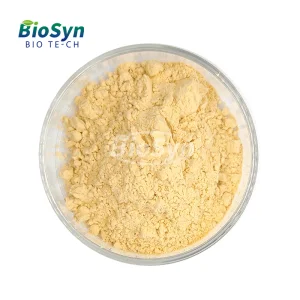
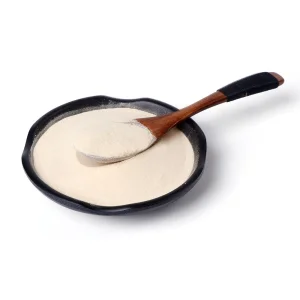
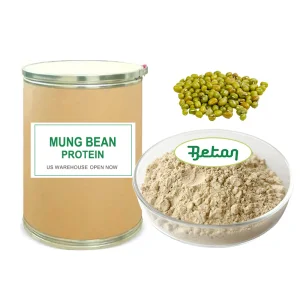
The global shift toward plant-based diets has accelerated the search for functional alternatives to soy and animal proteins. Peanut protein (both defatted flour and high-purity isolates) has emerged as a premium B2B ingredient, especially in North America, Western Europe, and Asia-Pacific. Unlike other options, peanut protein is highly functional, cost-effective, and matches the global demand for clean labels.
Research indicates that food manufacturers choose peanut protein due to its high glutamic acid and arginine content. These amino acids enhance flavor profiles and support post-workout muscle recovery. Recent extraction advancements have minimized the earthy flavor profiles typical of legumes, positioning peanut protein isolate (PPI) as an ideal base for infant nutrition, protein-fortified snacks, meat alternatives, and dairy-free beverages.
For B2B buyers, verifying technical metrics is crucial when selecting a peanut protein factory. Key factors include the water binding capacity, emulsion stability, and protein dispersibility index (PDI). Manufacturers that manage the temperature during cold pressing produce flour with functional traits that perform reliably in food processing lines.
An objective, data-driven comparison highlighting the unique amino acid, functional, and structural advantages of peanut protein isolates.
| Functional Property | Peanut Protein Isolate (PPI) | Soy Protein Isolate (SPI) | Pea Protein Isolate (PePI) | Whey Protein Isolate (WPI) |
|---|---|---|---|---|
| Protein Content (Dry Base) | 80% - 90% | 90% + | 80% - 85% | 90% + |
| Arginine Concentration (g/100g) | 11.2 - 12.5 (Highest) | 7.6 | 8.2 | 2.1 |
| PDCAAS Value | 0.70 - 0.75 (Lacking Lysine) | 1.00 | 0.78 | 1.00 |
| Emulsifying Activity Index | High (Excellent in beverages) | Excellent | Moderate | Excellent |
| Flavor Retention Profile | Mildly nutty / neutralizes well | Beany note (needs masking) | Earthy/vegetal notes | Neutral/Dairy |
| Carbon Footprint Index | Low (Nitrogen-fixing root system) | Moderate | Low | High (Animal sourced) |
Global factories are evaluated across key criteria to ensure supply reliability, purity, and functional consistency.
Processing at low temperatures prevents thermal denaturation of proteins, maintaining optimal water solubility and excellent emulsification properties.
Subcritical water extraction and mechanical pressing eliminate hexane residue, aligning with clean-label requirements.
Strict segregation protocols and ELISA testing verify the absence of cross-contamination in modern processing facilities.
Ningbo Bolly biology Co., Ltd. is a leading China vegetal protein manufacturer specializing in high-quality plant protein ingredients for food and beverage applications. With a strong commitment to innovation, quality, and sustainability, the company provides comprehensive plant-based protein solutions to customers worldwide.
Leveraging advanced production technologies and strict quality management systems, Ningbo Bolly biology offers a diverse portfolio of vegetal protein ingredients, including soy protein, pea protein, rice protein, wheat protein, and other specialty plant proteins. These ingredients are widely used in functional foods, beverages, nutritional supplements, sports nutrition products, meat alternatives, dairy alternatives, bakery products, and health foods.
The company places great emphasis on research and development, continuously exploring new plant protein technologies to meet the evolving demands of the global food industry. Its experienced R&D team works closely with customers to develop customized ingredient solutions that enhance nutritional value, improve texture, optimize taste, and support clean-label product development.
Quality and safety are at the core of Ningbo Bolly biology' operations. The company implements rigorous quality control procedures throughout the entire production process, ensuring that all products meet international standards and customer requirements. By maintaining consistent product quality and reliable supply capabilities, the company has established long-term partnerships with food manufacturers, distributors, and brand owners across multiple international markets.
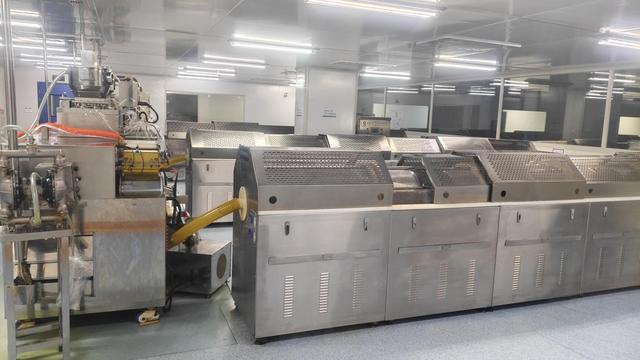
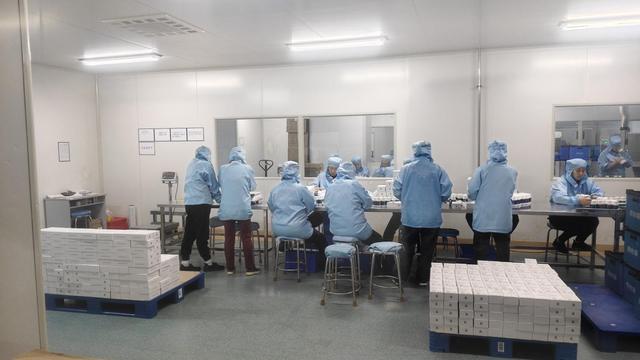
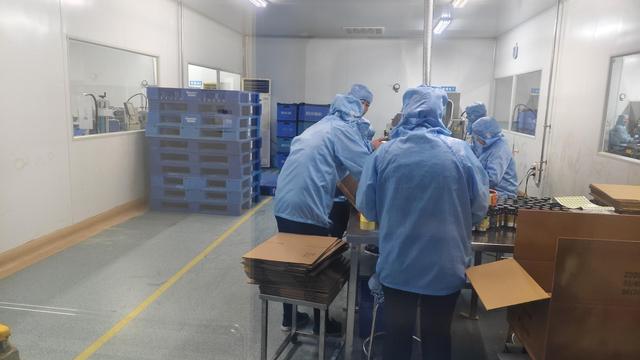

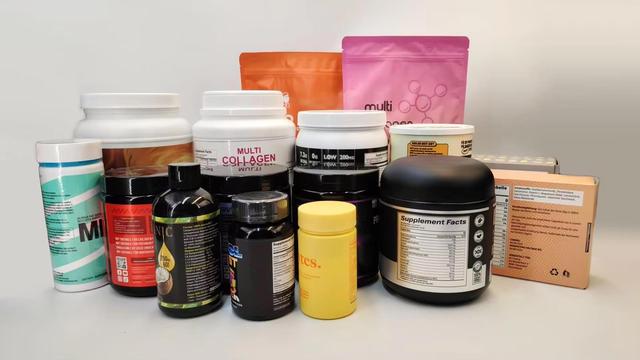
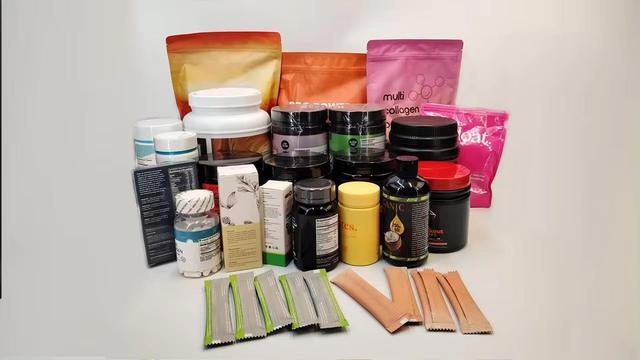
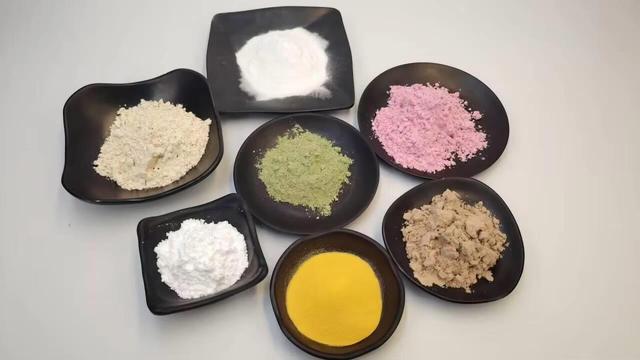

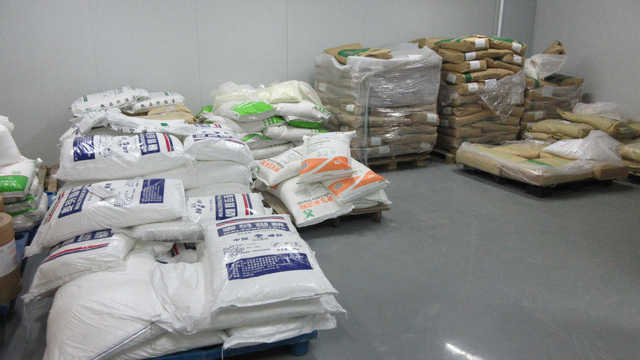

Customized solutions designed to address functional challenges in global food systems, plant-based dairy, and sport supplements.
Micro-fluidized peanut protein prevents sedimentation in ready-to-drink (RTD) plant-based milks and nutrition shakes, maintaining a smooth mouthfeel.
Provides the fibrous alignment necessary for plant-based meats, delivering a realistic chew and texture similar to chicken or beef.
In gluten-free bakery systems, peanut protein binds water effectively, reducing crumb density and extending overall shelf life.
Innovations in manufacturing focus on improving purity and functionality. The next stage of peanut protein extraction centers on enzymatic hydrolysis. This process breaks proteins down into bioactive peptides, increasing absorption rates and enhancing their value for functional sports nutrition.
Additionally, developers are working to lower the carbon footprint of production. Processing facilities are moving toward closed-loop water systems and sourcing electricity from renewable energy. Integrating block-chain tracking systems also allows buyers to trace products from the farm to the final container shipment, meeting strict B2B compliance requirements.
Answers to common B2B questions regarding safety standards, functionalities, and supply chain logistics.
High-purity raw powders, peptides, and functional plant-based extracts designed to meet modern nutritional specifications.
 Bolly Biology