Providing high-purity canola protein matrices and optimized rapeseed meal derivatives tailored to the rigorous regulatory landscape and quality benchmarks of the Swiss Confederation.
Engineered raw materials optimized for structural gelation, emulsion capacity, and nutritional reinforcement in modern industrial processing.
The Swiss food processing industry and feed sector are experiencing a profound structural transition. Driven by rigorous consumer demands, Swissness certification regulations, and environmental objectives established by the Swiss Federal Office for Agriculture (FOAG), food manufacturers are increasingly seeking high-performance alternative protein sources to displace soy and synthetic binders. Canola (rapeseed) protein represents a major technological opportunity due to its excellent amino acid profile and functional adaptability.
Unlike soy, which faces market friction regarding deforestation and genetic modification concerns, canola protein produced via gentle cold-pressing and clean-label refining processes aligns with the Swiss bio-economy model. Specifically, Swiss food tech innovators in cities like Zürich, Lausanne, and Basel are developing next-generation dairy alternatives, emulsifiers for Swiss chocolate, and texturized vegetarian components using specialized hydrolyzed canola protein isolate powder.
Simultaneously, the Swiss livestock and aquaculture industries—specifically Swiss Alpine trout farms and high-standard pig breeding enterprises—are incorporating high-protein, low-glucosinolate canola meal. This dietary component serves as a cost-efficient, nutritionally rich alternative to imported marine fishmeal, satisfying the strict requirements of local quality programs like IP-SUISSE.
How Ningbo Bolly Biology ensures high protein bioavailability, structural functionality, and chemical purity in every production run.
Operating low-temperature mechanical prepressing steps to isolate premium oil fractions without thermal degradation of the proteins, preserving the delicate tertiary structure of 12S cruciferin and 2S napin proteins.
Employing food-grade proteases to break down complex canola globulins into functional peptides. This process optimizes water solubility across a wide pH range (3.0 - 8.0) and enhances emulsifying power for beverage stabilizers.
Proprietary industrial systems to target and reduce anti-nutritional factors (glucosinolates, phytates, and sinapine) down to trace levels, ensuring safe animal nutrition and clean-tasting dietary supplements.
As a leading China vegetal protein manufacturer, Ningbo Bolly biology Co., Ltd. specializes in high-quality plant protein ingredients engineered for sophisticated food, beverage, and animal nutrition applications worldwide. With a strong commitment to bio-technical innovation, strict quality control systems, and sustainable practices, we provide comprehensive plant-based protein solutions tailored to meet the evolving regulatory and quality demands of global markets, including Switzerland.
Leveraging advanced production technologies and rigorous quality management protocols, our facility produces a diverse portfolio of vegetal protein ingredients. Our range includes soy protein, pea protein, rice protein, wheat protein, and specialty canola/rapeseed protein isolates and meals. These high-purity components are widely used in functional foods, sports nutrition, meat alternatives, dairy analogs, baked goods, and specialized aquaculture and livestock feeds.
We place immense emphasis on research and development, continually refining extraction and hydrolysis techniques to deliver superior gelling, emulsification, and solubility profiles. Our experienced R&D team works in close partnership with food tech scientists and procurement managers to develop customized ingredient solutions that enhance nutritional density, improve mouthfeel, optimize flavor profiles, and support clean-label declarations.
Quality and microbiological safety represent the core of all operations at Ningbo Bolly Biology. We implement strict testing at every step of the supply chain, ensuring that every batch complies with international safety frameworks and the specific phytosanitary and non-GMO requirements of the European Union and the Swiss Confederation. Through reliable supply structures, we build long-term value for food manufacturers, feed mills, and distributors globally.
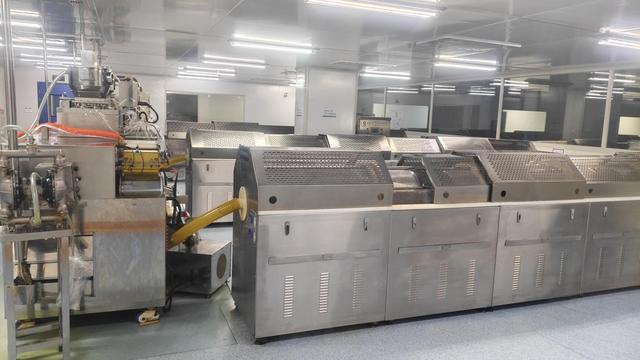
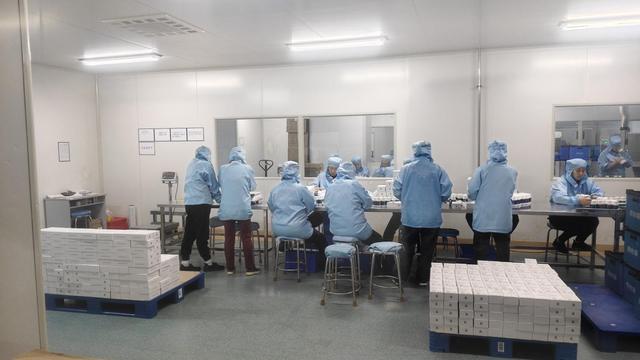
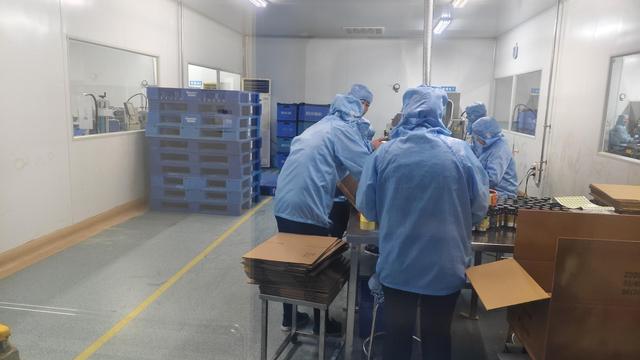
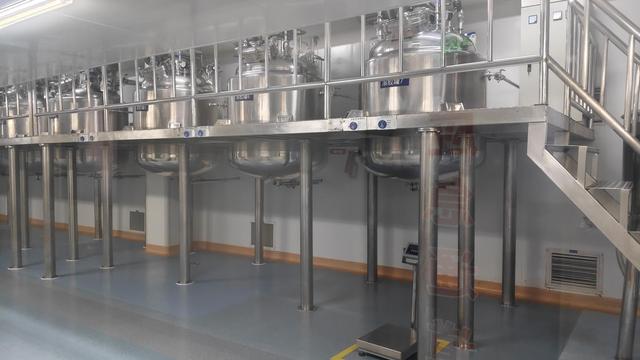
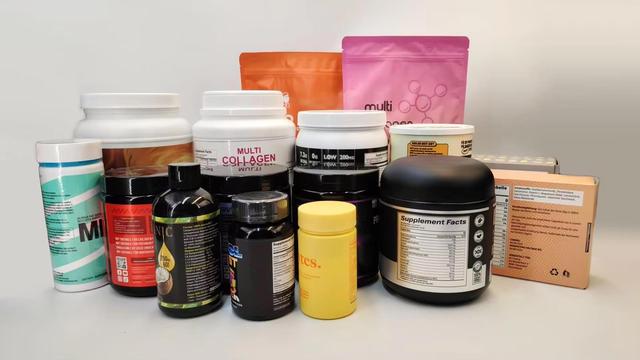
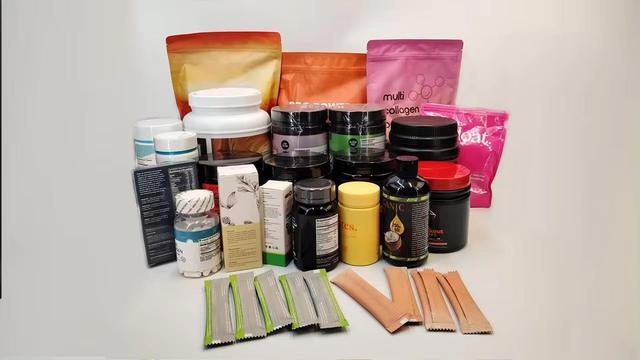
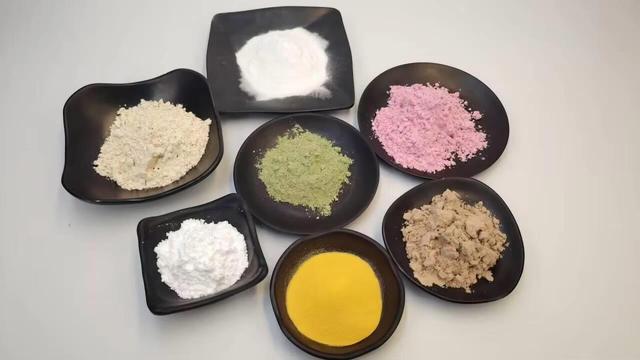
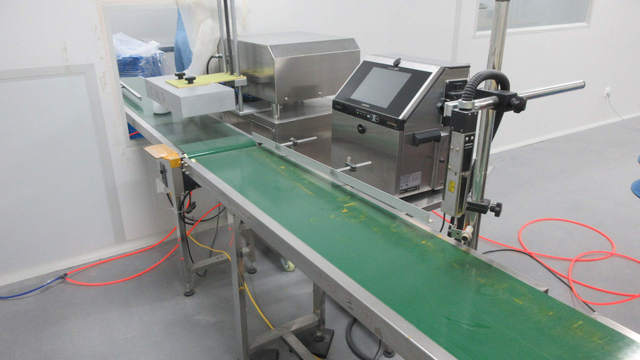
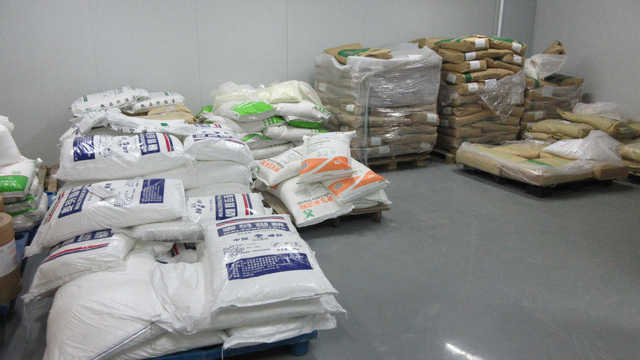

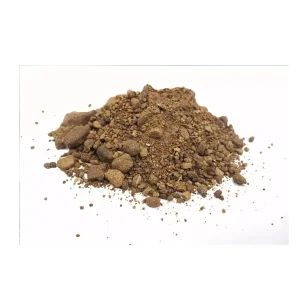
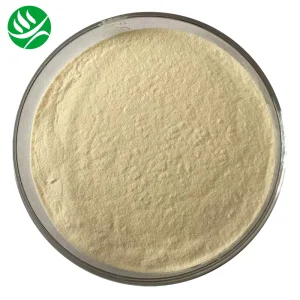
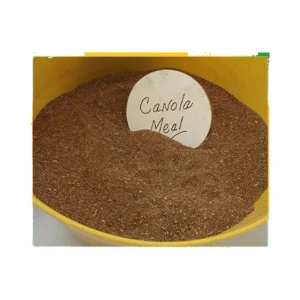
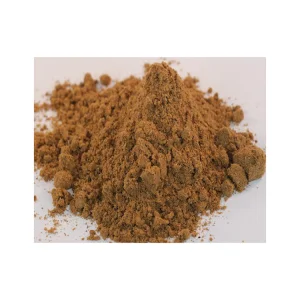
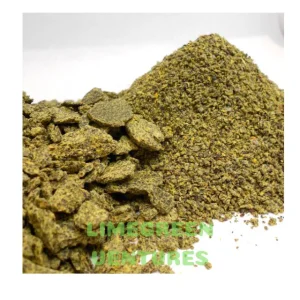
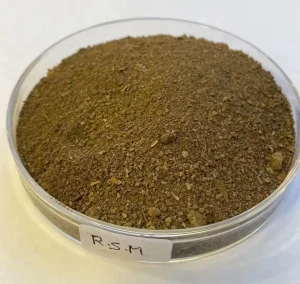
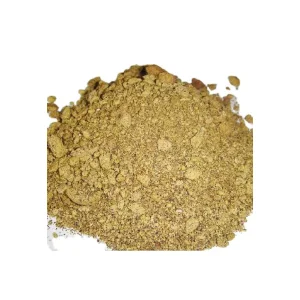
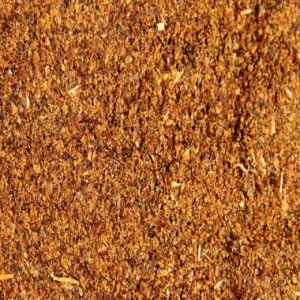
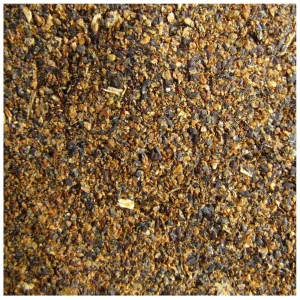
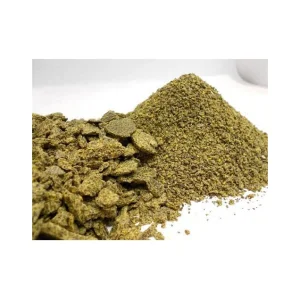
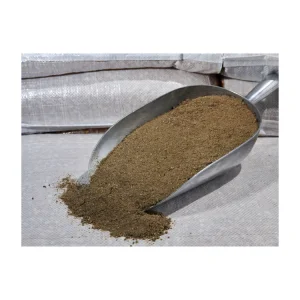
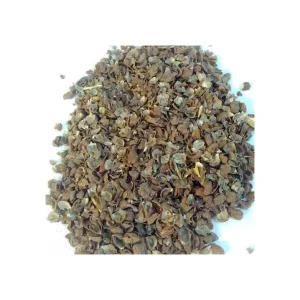
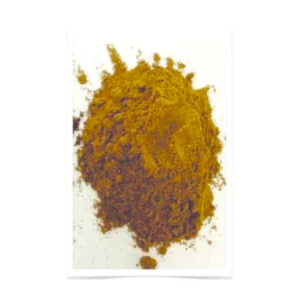
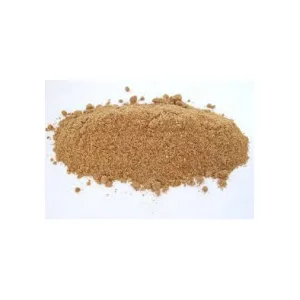
Comprehensive portfolio of feed-grade and food-grade canola protein and rapeseed meal formulations available for international bulk dispatch and localized customs clearance in Basel and Geneva.
For Swiss food formulation scientists and animal feed nutritionists, selecting the proper protein base requires a balance between nutritional profiles, allergen considerations, functionality, and cost efficiency. The following comparison matrix details the functional differences between our premium canola protein fractions, soy isolates, and wheat gluten:
| Functional Property | Ningbo Bolly Canola Protein | Commercial Soy Protein Isolate | Wheat Gluten (Vital) |
|---|---|---|---|
| Crude Protein Content (Dry Basis) | 60% - 90% (Depending on Hydrolysis level) | 90% | 75% - 80% |
| PDCAAS Value | 0.87 - 0.93 (High sulfur amino acids) | 0.98 - 1.00 | 0.25 (Lysine deficient) |
| Emulsification Index (EAI) | Excellent (Particularly hydrolyzed variants) | Good to High | Low |
| Water Solubility (at pH 4.5) | Stable > 80% (Hydrolyzed isolates) | Poor (Isoelectric precipitation point) | Highly Insoluble |
| Allergen Status (CH/EU Directive) | Non-Allergenic (No declaration required) | Declaration Required (Major Allergen) | Declaration Required (Gluten-Containing) |
| Typical Swiss Application | Dairy alternatives, premium aquaculture, IP-SUISSE feeds | Traditional meat analogs, general sausage binder | Industrial bakery, high-gluten flour modification |
In Swiss aquaculture, particularly in the production of coldwater salmonids (rainbow trout and char), feed costs can account for up to 60% of total production costs. Historically, fishmeal was the sole component capable of satisfying the high protein demand of these species. However, with rising environmental costs and strict ocean sustainability mandates, Swiss aquaculture operators are pivoting to plant-based alternatives.
Canola protein isolates and meals from Ningbo Bolly Biology offer an exceptional fit for aquaculture. The high concentration of methionine and cysteine ensures that fish receive critical building blocks for tissue synthesis and immune defense. Furthermore, our proprietary multi-step washing process removes excessive soluble carbohydrates and minerals, minimizing nutrient runoff in sensitive Alpine freshwater systems.
Importing agricultural components into Switzerland requires strict compliance with federal laws. At Ningbo Bolly Biology, we support Swiss importers with complete compliance documentation:
For Swiss importers, product safety is non-negotiable. The Federal Food Safety and Veterinary Office (FSVO) enforces strict guidelines concerning pesticide residues and solvent residues in plant protein isolates. To meet these high expectations, Ningbo Bolly Biology implements a strict Hazard Analysis Critical Control Point (HACCP) system verified by independent third-party audits.
We work in collaboration with leading global testing bodies, such as SGS and Eurofins, to verify the purity of our export batches. Each batch is accompanied by a comprehensive Certificate of Analysis (CoA) detailing microbiological status, chemical analysis, moisture percentages, and physical properties like particle size and color consistency.
Whether shipping via bulk ocean freight to European gateways (like Rotterdam or Antwerp) followed by rail cargo directly into industrial hubs in Switzerland (such as Basel, Olten, or Bern), or utilizing containerized multimodal logistics, we ensure our packaging maintains freshness and protects against moisture ingress throughout transit.
Ensuring complete product preservation. The remaining specialized animal feed ingredients designed to optimize livestock productivity and aquaculture efficiency.
As Switzerland pushes toward its Net-Zero Climate Strategy 2050, the environmental footprint of agricultural imports is under scrutiny. The carbon intensity of protein production will soon influence purchase decisions at the industrial level. Ningbo Bolly Biology is proactive in adopting greener technologies to align with these requirements.
Our long-term R&D roadmap includes transitioning to next-generation clean extraction methods. We are actively researching the scaling of water-based, enzyme-assisted extraction processes that eliminate organic solvents like hexane entirely. This research aims to produce a truly clean-label canola isolate with minimized carbon equivalents per kilogram of protein.
Additionally, we are exploring physical modification processes, such as high-moisture extrusion (HME) texturization, directly within our manufacturing facilities. This allows us to supply ready-to-use plant-based meat bases directly to food brands, simplifying supply chains and reducing transport footprints.
Expert insights regarding canola protein functionality, certification frameworks, and B2B procurement logistics for Swiss businesses.
Canola protein isolate is a highly refined, food-grade powder containing 80-90% protein, developed for human consumption in meat alternatives and dairy analogs. Rapeseed meal is a co-product of oil extraction, typically containing 35-65% protein. It is processed as a cost-effective nutrient source for cattle, pig, and aquaculture feeds.
We source seeds from contracted growers who use certified non-GMO seed stock. Every incoming batch is isolated and verified using PCR (Polymerase Chain Reaction) testing. Our production facility maintains strict segregation protocols to prevent cross-contamination, satisfying Swiss federal non-GMO regulations (VGMOB).
Yes. Our hydrolyzed canola protein isolate features excellent solubility and stability across low pH environments, preventing precipitation in acidic formulations like fruit-infused high-protein drinks. It also lacks the strong off-flavors typical of soy, reducing the need for masking agents.
We offer CIF, FOB, and DDP terms. Ocean shipment from China's key ports (e.g., Ningbo/Shanghai) to major European gateways like Rotterdam takes approximately 30-35 days, followed by barge or rail transit to inland Swiss ports (such as Basel). Custom clearance documentation, including phytosanitary certificates, is prepared ahead of arrival.
Yes. Through controlled thermal processing and enzymatic treatment, we reduce glucosinolate levels to trace concentrations (typically < 10 micromoles per gram). This ensures excellent palatability and prevents thyroid dysfunctions in monogastric animals and sensitive aquaculture species like trout.
Contact our global logistics and R&D engineering divisions to request sample kits, chemical analysis sheets, or custom quotes for your production needs in Switzerland.
Send Inquiry Now Bolly Biology