Explore our primary plant protein and high-performance feed ingredients optimized for Verona's agri-industrial sectors.
Verona, situated at the crossroads of European transit corridors (the Scandinavian-Mediterranean and Mediterranean corridors), functions as a pivotal trade and distribution gateway. Key nodes like the Quadrante Europa logistics hub drive the regional market, facilitating the swift passage of bulk agricultural commodities across Northern Italy. The surrounding Veneto and Po Valley regions support intensive dairy farming, swine rearing, and poultry production. These sectors require a continuous influx of premium feed ingredients and functional plant proteins to sustain productivity.
At the same time, food processing and functional nutrition companies in Veneto are shifting toward plant-based alternatives. Driven by clean-label demands, European regulations, and strict non-GMO targets, plant-based proteins have transitioned from niche components to core ingredients. Canola protein (rapeseed protein) has gained significant traction. Its rich amino acid profile, low allergenicity, and functional properties make it a viable alternative to traditional soy and wheat proteins.
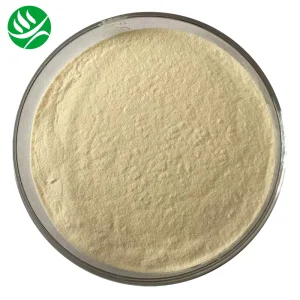
Our canola protein isolates offer superior solubility, water-binding capacity, and gelation. This makes them ideal for the region’s processed food sectors, including meat analogues, plant-based dairy, and baked goods, while ensuring full compliance with European Food Safety Authority (EFSA) requirements.
Understanding how canola protein compares to traditional isolates is key to modern recipe formulation and cost optimization.
Globally, canola protein is recognized for its well-balanced amino acid profile. It is particularly rich in sulfur-containing amino acids (methionine and cysteine), which are often limiting factors in other plant proteins like soy and pea. By blending canola protein into formulations, food scientists can achieve a complete protein profile (PDCAAS score close to 1.0) without relying solely on animal proteins or allergen-heavy soy/wheat gluten.
| Nutritional & Functional Parameter | Canola Protein Isolate | Soy Protein Isolate | Pea Protein Isolate |
|---|---|---|---|
| Protein Content (Dry basis) | ≥ 90% | ≥ 90% | ≥ 80% - 85% |
| Methionine + Cysteine (g/100g protein) | ~ 4.0 - 4.5 | ~ 2.5 - 2.8 | ~ 1.8 - 2.1 |
| Lysine Content (g/100g protein) | ~ 5.5 - 6.0 | ~ 6.2 - 6.5 | ~ 7.0 - 7.3 |
| Allergen Status | Hypoallergenic / Non-major | Major Allergen (EU/US List) | Hypoallergenic |
| Emulsifying Activity Index | High (Excellent in oil-in-water emulsions) | Moderate to High | Moderate |
| Solubility Profile (pH 6.0 - 7.0) | Excellent (> 80%) | Moderate (pH dependent) | Low to Moderate |
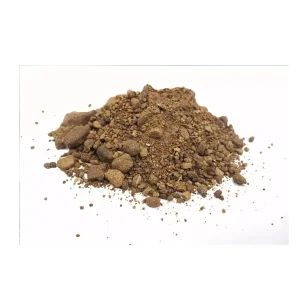
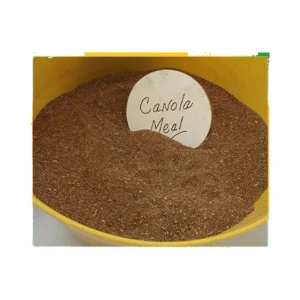
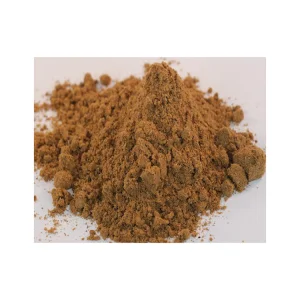
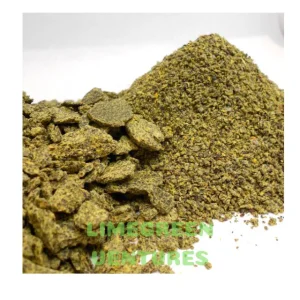
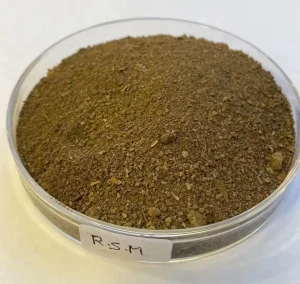
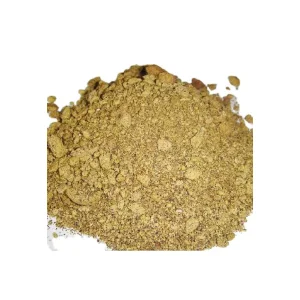
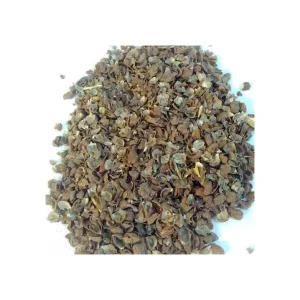
This nutritional profile makes canola protein highly suitable for feed and food applications in Verona. For livestock feed, high-protein canola meal (60-65% protein) serves as a functional ingredient for young piglets and lactating dairy cows, supporting digestive health and optimal milk production.
How Ningbo Bolly Biology Co., Ltd. delivers consistent quality and price advantages to the Verona and wider European markets.
Ningbo Bolly Biology Co., Ltd. operates as a specialized plant protein manufacturer, utilizing advanced extraction technologies. By combining enzymatic hydrolysis with mechanical separation, we produce high-purity canola protein isolates and meals that preserve the native protein structure and functionality.
Our location in Ningbo, adjacent to one of the world's largest deep-water ports, allows for efficient export operations. We ship directly to key Italian ports like Venice, Trieste, and Genoa, facilitating rapid delivery to Verona through rail and road networks. This supply chain minimizes transit times and helps European buyers reduce freight and storage costs.
Specialized formulations designed to meet strict regulatory and processing requirements.
How our plant proteins are utilized across diverse food and agricultural industries in Verona.
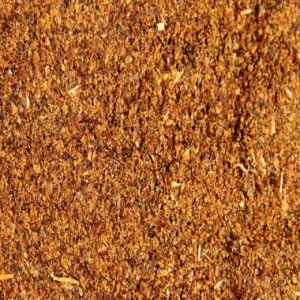
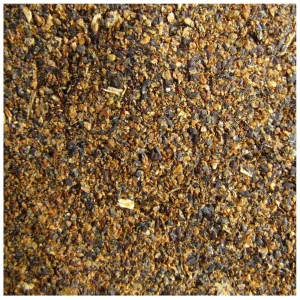
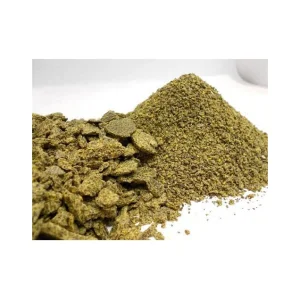
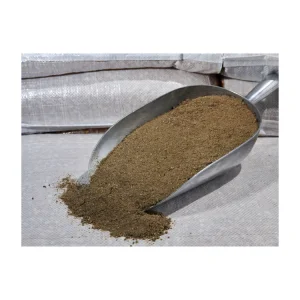
Our 60-65% high-protein canola meal is used in Northern Italy's dairy and pig farming sectors. It offers an alternative to soybean meal, supporting optimal digestion and growth rates.
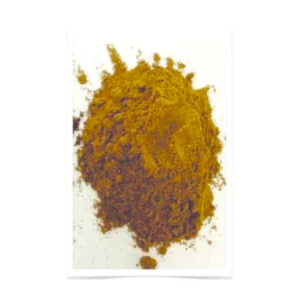
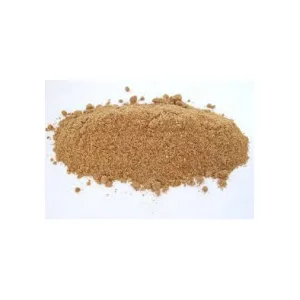
Food-grade canola protein isolates function as binding and emulsifying agents in plant-based beverages, egg-free bakery formulations, and processed meat alternatives.
Highly digestible protein fractions with low moisture are utilized in feed for trout and sturgeon farms along the Adige River and coastal Veneto lagoons.
Critical parameters that purchasing managers in Verona examine during supplier onboarding.
When sourcing plant protein raw materials for the EU market, quality assurance and trace contaminants represent key criteria for industrial buyers. Our canola proteins undergo strict control protocols to ensure compliance with the following requirements:
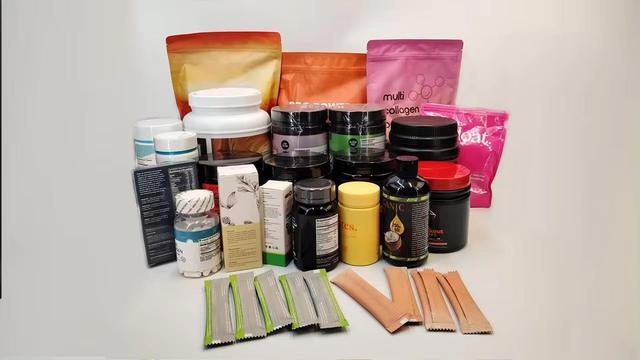
We work closely with food and feed manufacturers to provide custom packaging options, ranging from 10kg bags for pilot batches to bulk containers for large-scale operations, ensuring stable shelf-life and moisture control during shipping.
Browse our full range of certified rapeseed meals and high-purity protein products.
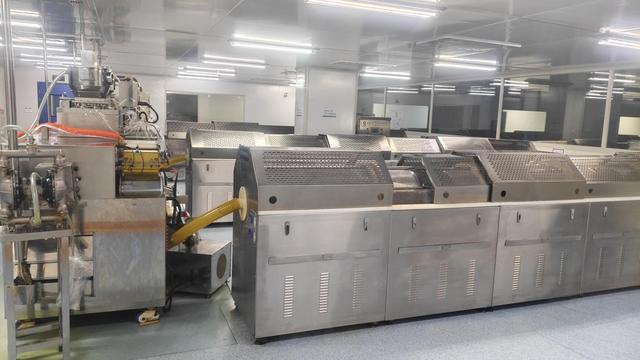
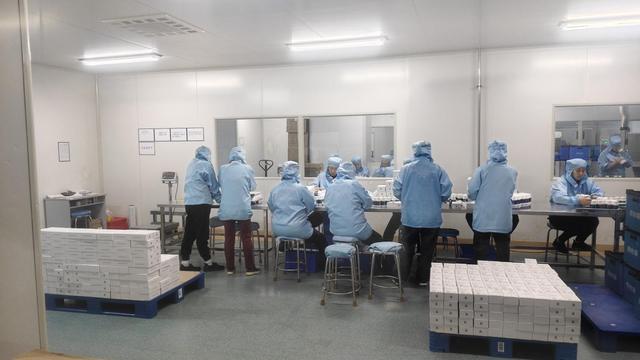
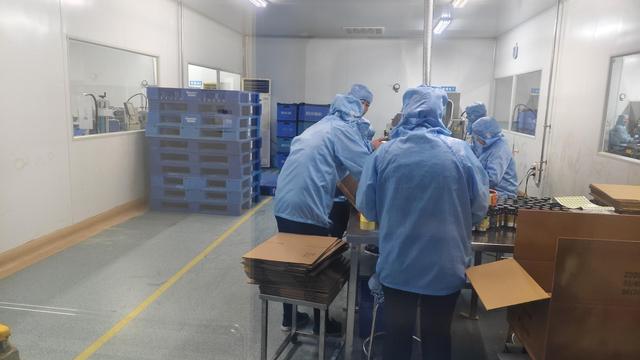
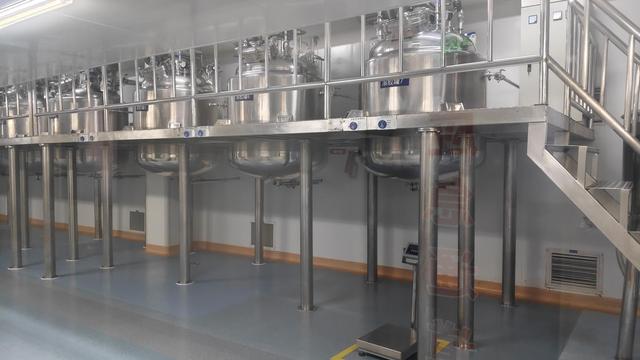
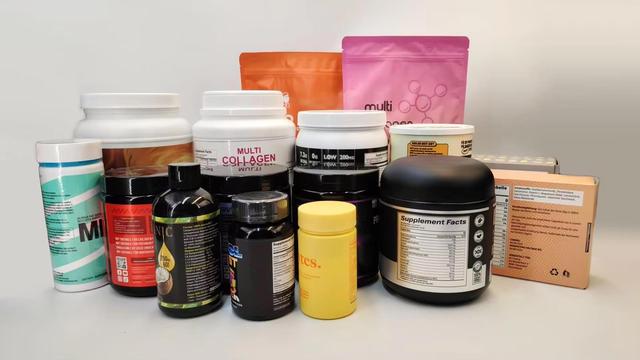
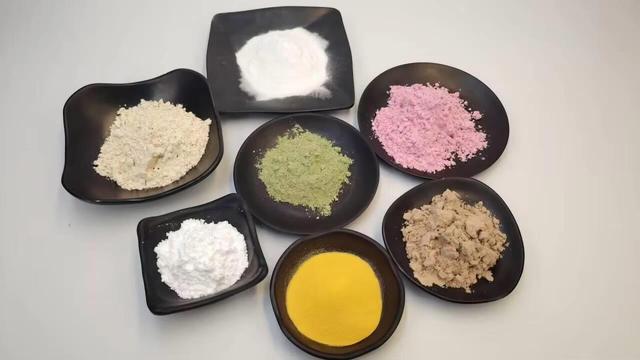
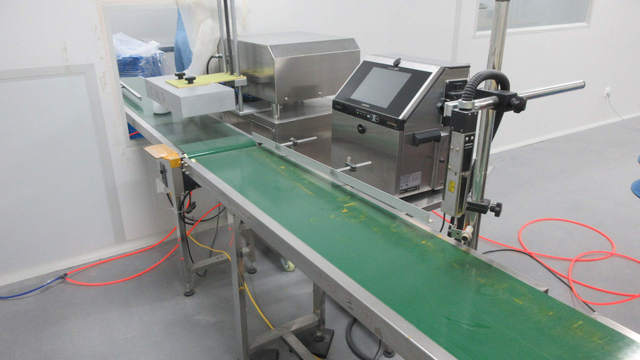
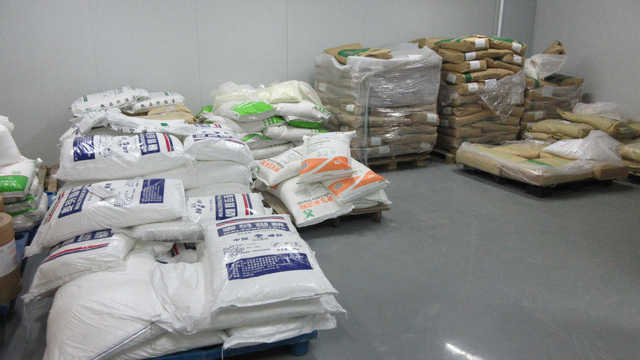
A look into our production facilities, warehouse space, and advanced testing laboratory equipment.
Ningbo Bolly Biology Co., Ltd. produces food and feed-grade plant protein ingredients. Through ongoing investment in equipment and quality management systems, our facilities process canola, soy, pea, and wheat proteins to meet the requirements of international markets. Our quality assurance team monitors each step, from raw material inspection to final product packaging, ensuring batch-to-batch consistency and trace safety.

Answers to key questions regarding procurement, customs clearance, and applications in the Verona market.
A: We ship goods from Ningbo-Zhoushan Port to Venice or Genoa. From there, products are transported to Verona by truck or train. Transit times for sea freight to Venice or Genoa typically range from 28 to 35 days, with land transport to Verona's warehousing hubs taking 1-2 days.
A: We maintain strict identity preservation (IP) systems. Our canola seeds are sourced from verified non-GMO farms, and every production batch is PCR-tested to verify the absence of GMO markers. We provide complete batch documentation, including certificates of analysis (COA) and traceability records.
A: Unlike soy and wheat gluten, which are classified as major allergens under EU Regulation 1169/2011, canola protein is not listed as a major allergen. This allows manufacturers to formulate clean-label products without allergen warnings, helping to meet consumer demand for health-focused foods.
A: When stored in a cool, dry place away from direct sunlight at temperatures below 25°C, our canola protein isolates have a shelf-life of 24 months. For animal feed products, we recommend keeping them in dry, well-ventilated warehouses to prevent moisture absorption and mold growth.
A: Yes. Our R&D team can customize particle sizes, protein concentrations, and solubility properties to meet specific production requirements. Contact our sales department to discuss your target specifications and request samples.
Access high-quality canola proteins and rapeseed meals for your food or feed manufacturing operations. Contact our logistics and sales teams to request a quote, technical data sheet, or trial samples.
Send Inquiry Now Bolly Biology