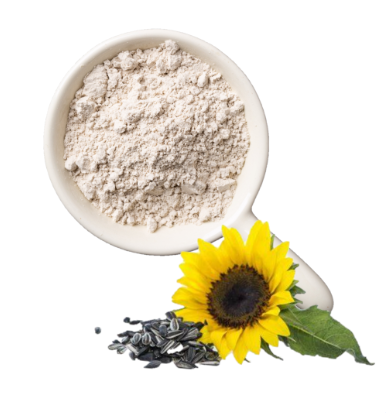
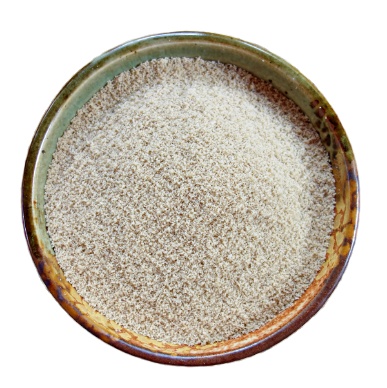
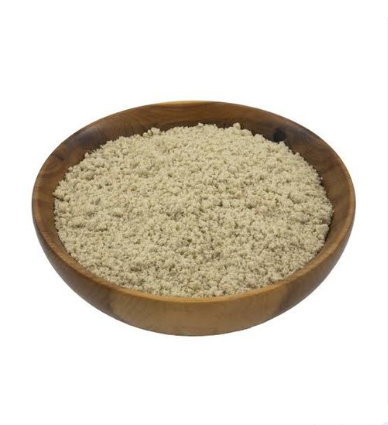
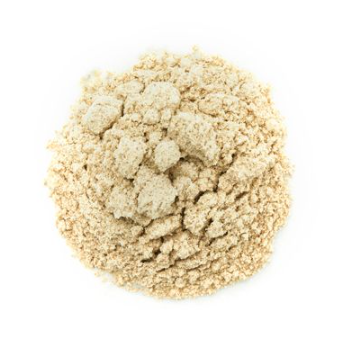
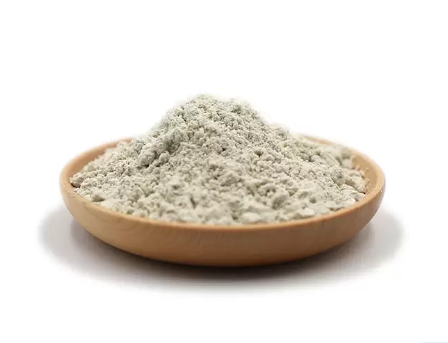
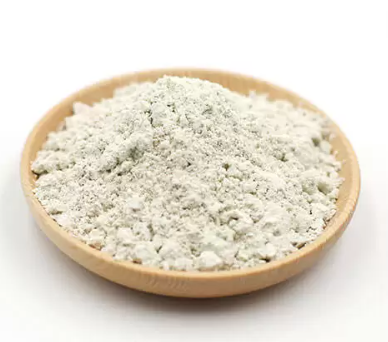
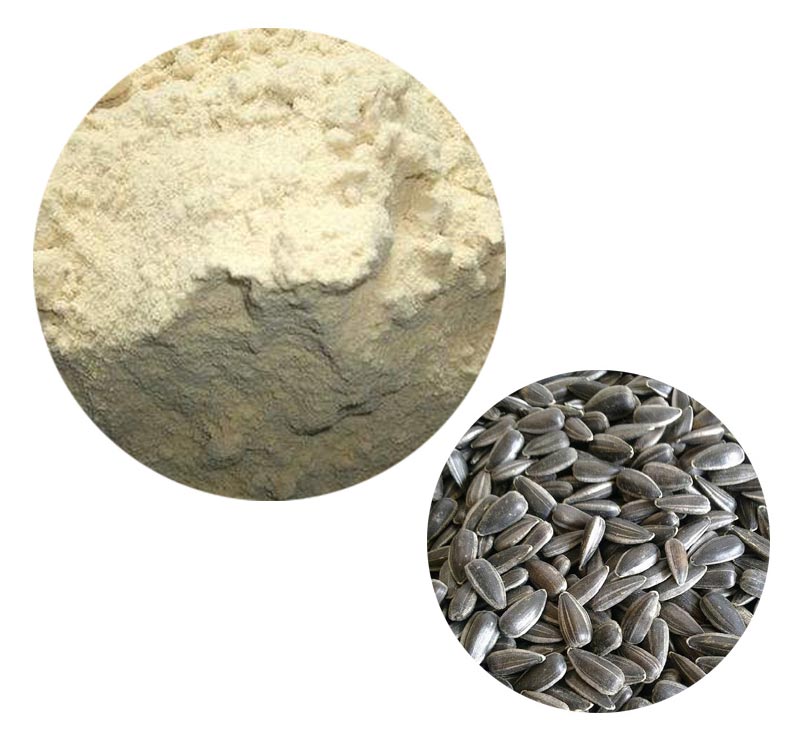
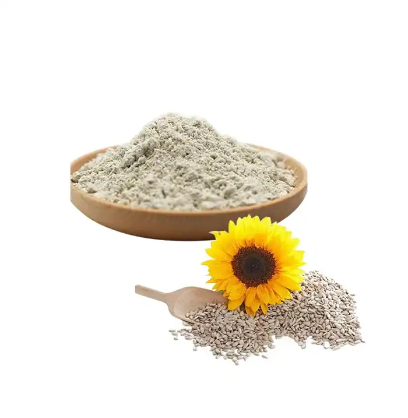
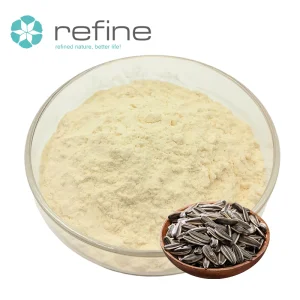
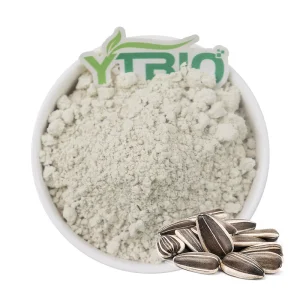
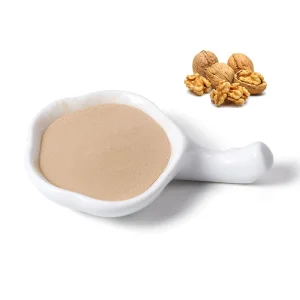
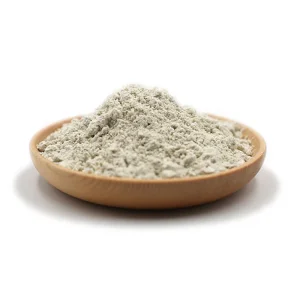
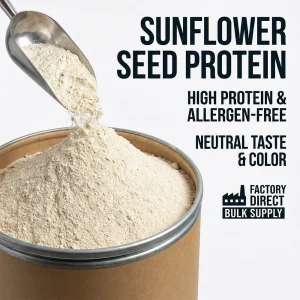
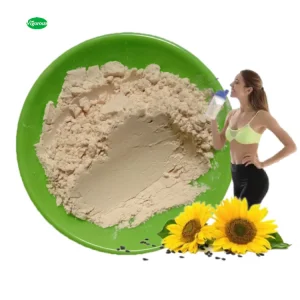
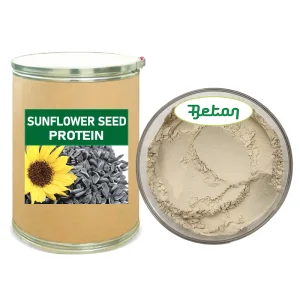
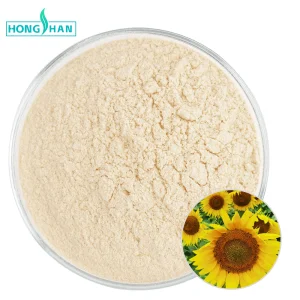
Sunflower seed protein is a plant-based protein extracted from the seeds of the sunflower (Helianthus annuus). Here is some key information about this nutritious product:
Product Origin
Sunflower seeds are harvested from the sunflower plant and processed to extract oil. After oil extraction, the remaining seed meal undergoes further processing to remove fiber and other components, ultimately producing sunflower seed protein powder.
Nutritional Components
Sunflower seed protein is considered a high-quality plant-based protein because it contains all the essential amino acids required by the human body. It is also rich in dietary fiber, vitamins (such as vitamin E), minerals (such as magnesium, potassium, and phosphorus), and healthy fats.
Health Benefits of Sunflower Seed Protein
Muscle Building and Repair
Sunflower seed protein is a complete protein, meaning it provides all the essential amino acids needed for muscle building and repair. It can serve as an alternative protein source for vegetarians, vegans, or those on dietary restrictions.
Weight Management
Protein-rich foods, such as sunflower seed protein, help increase satiety, thereby reducing overeating and snacking between meals, thus aiding in weight management.
Antioxidant Properties
Sunflower seeds contain antioxidants including vitamin E, which help protect cells from oxidative damage caused by free radicals. These can offer potential health benefits and contribute to overall health.
Nutritional Density
Sunflower seed protein is a nutrient-rich food, providing essential vitamins, minerals, and phytonutrients to support various bodily functions and overall health.
Usage and Precautions
Supplement or Ingredient
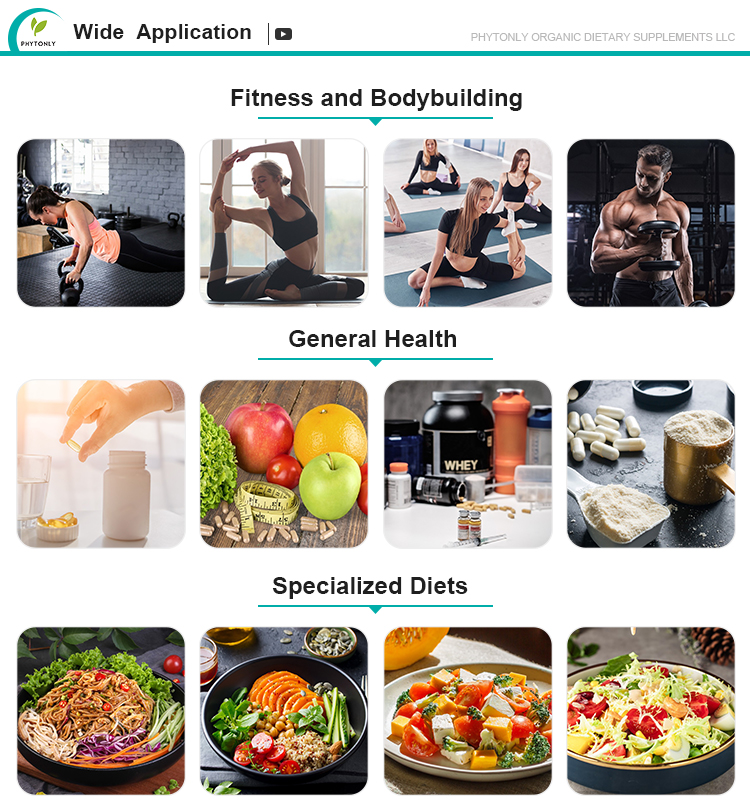
Sunflower seed protein can be used alone as a protein powder or as an ingredient in various recipes, such as smoothies, baked goods, energy bars, and plant-based protein shakes.
Allergies
While sunflower seed protein is not a major allergen, individuals known to be allergic to sunflower seeds should avoid sunflower seed protein products.
Dosage
Specific dosage recommendations may vary depending on individual needs and goals. It is recommended to follow the manufacturer's instructions or consult a healthcare professional or registered dietitian for personalized advice.
Quality and Origin
When purchasing sunflower seed protein products, choose reputable brands that adhere to quality standards and sourcing practices.
Important Note: Dietary supplements (including sunflower seed protein) cannot replace a balanced diet or medical advice. If you have specific health concerns or conditions, consult a healthcare professional or registered dietitian before adding sunflower seed protein to your diet.
Related Products
L-Carnitine
Mixed tocopherol powder
Beta carotene
MCT Powder
coenzyme Q10
5-HTP
Vitamins (A,B,C,D,E)
β-nicotinamide mononucleotide (NMN)
Multivitamin mineral powder(Zn,Ca)
Algae DHA Powder
Amino acid powder
Lecithin powder/Liquid (Soybean,sunflower)
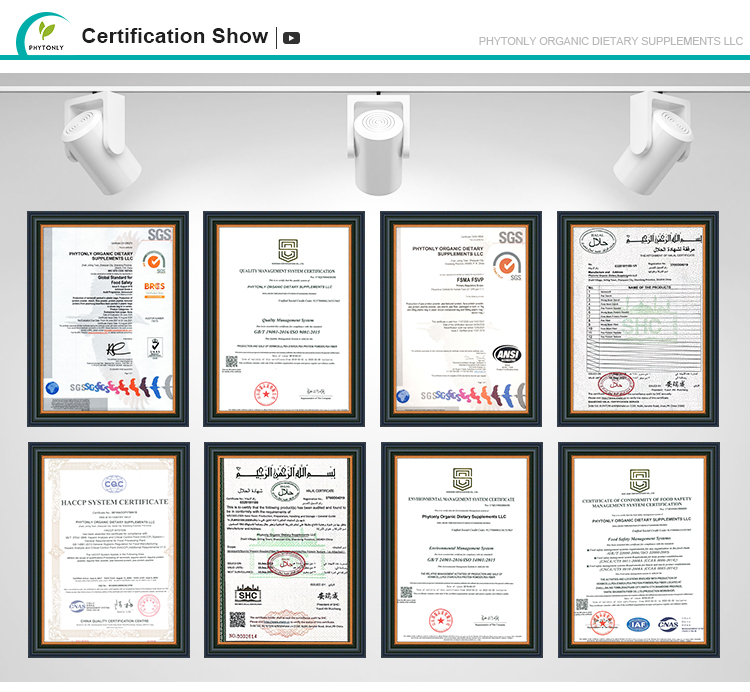
Certificates & Quality Standards
Frequently Asked Questions
What is sunflower seed protein?
Sunflower seed protein is a premium, plant-based protein extracted directly from the seeds of the sunflower (Helianthus annuus) following the oil extraction process. It serves as an excellent vegan protein alternative.
Is sunflower seed protein a complete protein?
Yes, sunflower seed protein is considered a complete plant-based protein because it contains all the essential amino acids required by the human body for proper muscle building, cell repair, and growth.
What are the health benefits of sunflower seed protein?
It supports muscle building and repair, aids in weight management by enhancing satiety, and offers high antioxidant properties due to its rich vitamin E content. Additionally, it is packed with essential minerals like magnesium, potassium, and phosphorus.
How should I use sunflower seed protein?
It is commonly used as a nutritional supplement or food ingredient. You can mix it into smoothies, baked goods, energy bars, and plant-based protein shakes.
Are there any allergen concerns with sunflower seed protein?
Sunflower seed protein is generally not considered a major allergen. However, individuals with a known allergy to sunflower seeds should avoid this product. Always consult with a dietitian if you have specific dietary restrictions.
 Bolly Biology