Explore our premium selection of raw materials engineered for exceptional solubility, purity, and functionality across food, beverage, and animal feed industries.
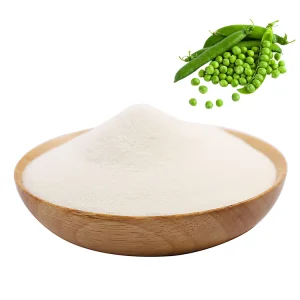
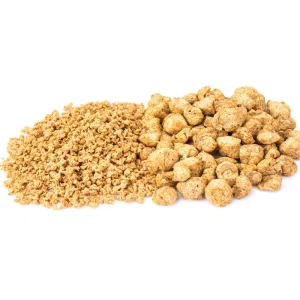
The global shift toward plant-based nutrition has entered a secondary, more sophisticated phase. While soy and pea proteins continue to form the baseline of the industry, food formulators and health-conscious consumers are seeking functional ingredients that offer higher nutritional specificity, cleaner labels, and superior organoleptic profiles. In this landscape, Walnut Protein has emerged as a premium botanical ingredient of choice, particularly for cognitive health formulations, clean-label dairy alternatives, and high-performance nutritional supplements.
Derived from the processing of Juglans regia, walnut protein is not merely an alternative macronutrient; it is a bio-functional powerhouse. Boasting a high concentration of essential amino acids, bioactive peptides, and a naturally low allergenicity risk profile compared to soy or wheat, walnut protein offers high nutritional value. As food technology advances, manufacturers in China have established a global leadership position by utilizing high-end extraction and enzymatic hydrolysis technologies to deliver water-soluble walnut protein isolates and peptides that meet the strict requirements of international markets.
The quality of walnut protein is highly dependent on the extraction methodology. Traditional solvent extraction techniques often compromise the functional qualities of the protein and conflict with clean-label consumer trends. Leading Chinese manufacturers, including Ningbo Bolly Biology, have pioneered mechanical and green chemistry methods to preserve protein bioactivity.
By extracting oil from the walnut kernels at temperatures below 60°C, the native structure of the protein is preserved. This avoids thermal denaturation, ensuring that the final protein powder maintains its emulsion capacity, gelation attributes, and solubility in aqueous solutions.
For walnut protein peptides, factories use a precise combination of endoproteases and exoproteases. This targeted cleavage results in bioactive peptides with molecular weights primarily under 1,000 Daltons. These smaller peptide molecules are highly bioavailable, entering the bloodstream quickly without taxing the human digestive system.
Using ultrafiltration and nanofiltration, factories separate out bitter-tasting low-molecular-weight non-protein substances. The purified liquid is then spray-dried using aseptic, low-temperature techniques to yield a fine, highly dispersible, cream-colored powder with a neutral sensory profile.
Recent studies in nutritional science demonstrate that walnut peptides with a molecular weight below 1,000 Da can cross the blood-brain barrier. This unique capability plays a protective role in neuro-system health by mitigating oxidative stress. Formulators targeting "brain-booster" or "nootropic" ready-to-drink (RTD) beverages prioritize these specific peptide profiles to back up functional marketing claims.
China is home to some of the world's largest walnut cultivation bases, particularly in the Xinjiang and Yunnan provinces. This agricultural abundance, combined with industrial-scale processing capabilities, provides Chinese factories with unique supply chain advantages:
Walnut protein's functional versatility allows it to fit seamlessly into diverse product formulations:
The rise of active lifestyles and stressful working environments has created a surge in demand for cognitive-support formulations. Due to its solubility and nutritional profile, walnut peptide powder can be incorporated into RTD functional coffees, milk teas, and nutritional shots targeting memory improvement and mental clarity.
Unlike soy, which has a distinct beany flavor, or almond, which can be sandy in texture, walnut protein isolates provide a smooth mouthfeel and creaminess. They are ideal for high-protein nut milks, plant-based yogurts, and vegan creamers, delivering a clean taste profile with minimal masking agents required.
As populations age, the demand for easily digestible proteins rises. The high arginine, glutamic acid, and aspartic acid content in walnut protein supports muscular retention, cardiovascular health, and cognitive function in older adults. The hydrolyzed peptide form is especially suited for enteral feeding and senior dietary supplements due to its low gastrointestinal burden.
Ningbo Bolly biology Co., Ltd. is a leading China vegetal protein manufacturer specializing in high-quality plant protein ingredients for food and beverage applications. With a strong commitment to innovation, quality, and sustainability, the company provides comprehensive plant-based protein solutions to customers worldwide.
Leveraging advanced production technologies and strict quality management systems, Ningbo Bolly biology offers a diverse portfolio of vegetal protein ingredients, including soy protein, pea protein, rice protein, wheat protein, and other specialty plant proteins. These ingredients are widely used in functional foods, beverages, nutritional supplements, sports nutrition products, meat alternatives, dairy alternatives, bakery products, and health foods.
The company places great emphasis on research and development, continuously exploring new plant protein technologies to meet the evolving demands of the global food industry. Its experienced R&D team works closely with customers to develop customized ingredient solutions that enhance nutritional value, improve texture, optimize taste, and support clean-label product development.
Quality and safety are at the core of Ningbo Bolly biology' operations. The company implements rigorous quality control procedures throughout the entire production process, ensuring that all products meet international standards and customer requirements. By maintaining consistent product quality and reliable supply capabilities, the company has established long-term partnerships with food manufacturers, distributors, and brand owners across multiple international markets.
Driven by customer satisfaction and sustainable development, Ningbo Bolly biology Co., Ltd. continues to deliver innovative vegetal protein solutions that help customers create healthier, more sustainable, and market-competitive food and beverage products worldwide.




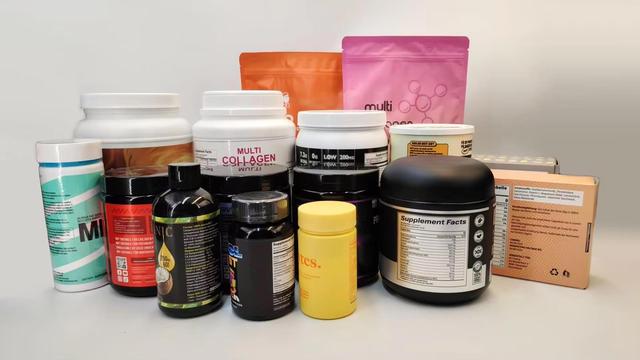
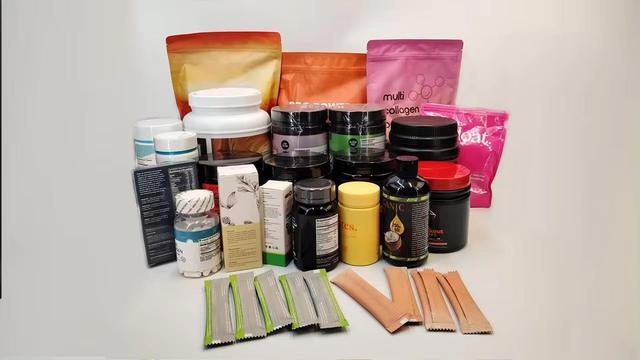
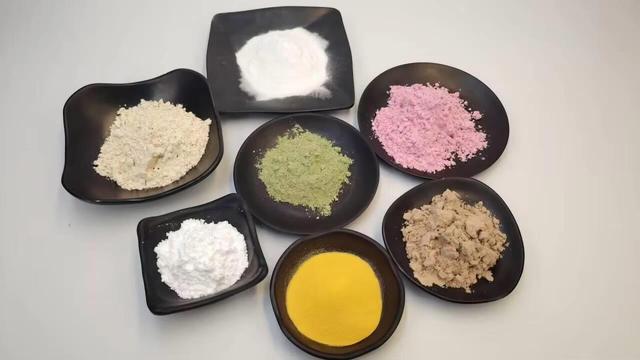

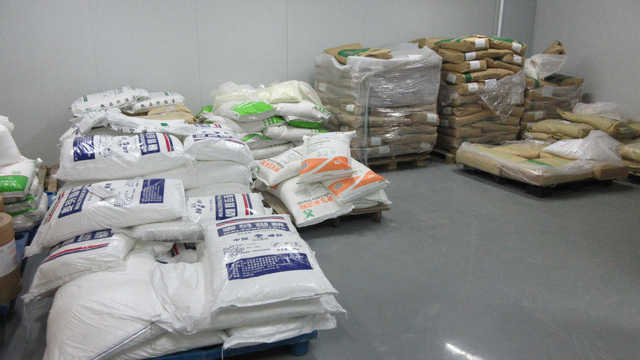

Navigating the complexity of today's supply chain requires a proactive partner. Ningbo Bolly Biology addresses critical macroeconomic challenges by focusing on:
Get authoritative answers to technical questions commonly asked by procurement managers, food scientists, and formulators.
Our walnut protein peptides display excellent solubility of over 95% across a wide pH spectrum (pH 2.0–9.0). For standard walnut protein isolates, solubility is optimized at neutral pH ranges, showing superior performance compared to traditional soy isolates under acidic conditions.
By utilizing enzymatic debittering steps and low-temperature cold-pressing, our processing removes the bitter compounds and tannins located on the walnut skin. This results in a mild, slightly nutty flavour profile that is easy to formulate around, minimizing the need for masking agents.
Every batch of our plant-based raw materials is subjected to rigorous testing. We utilize high-performance liquid chromatography (HPLC) and inductively coupled plasma mass spectrometry (ICP-MS) to guarantee that heavy metals, pesticide residues, and aflatoxins fall well below the strict threshold limits established by the European Food Safety Authority (EFSA) and US FDA.
Although tree nuts are generally recognized as allergens, our enzymatically hydrolyzed walnut peptide powder undergoes specific proteolysis that significantly degrades allergenic binding epitopes. This makes it a lower-risk alternative for formulations, though allergen labels should still follow local regulatory rules.
Our standard bulk packaging format is 20 kg or 25 kg food-grade multi-layer paper bags with inner PE lining, packed on heat-treated pallets. Our standard MOQ starts at 500 kg, though we offer sample quantities for preliminary laboratory evaluation and pilot trials.
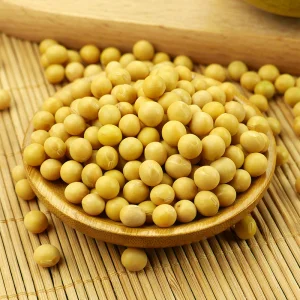
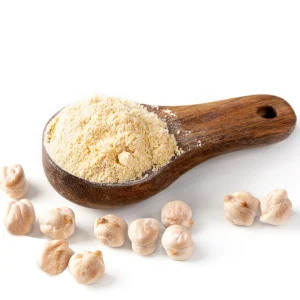
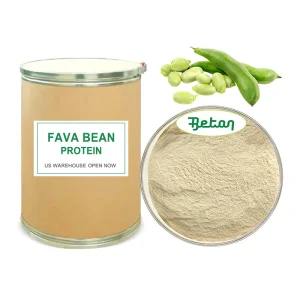
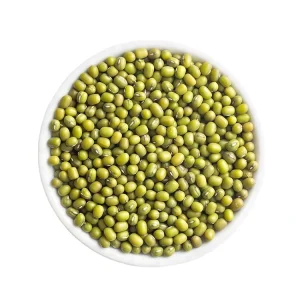
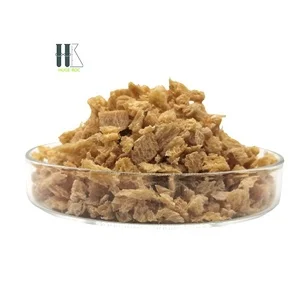
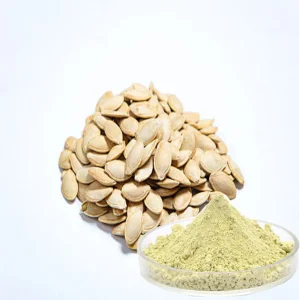
Our extensive agricultural sourcing and refining capabilities allow us to supply high-purity proteins from diverse plant origins.
 Bolly Biology