Bolly Biology

1. Executive Summary & Market Dynamics of Triticale Protein
In the rapidly transforming global food system, the demand for clean-label, functional, and climate-resilient alternative plant proteins has reached unprecedented levels. While soy and pea proteins have dominated the initial wave of meat alternatives and nutritional supplements, manufacturers increasingly encounter challenges related to cost fluctuations, supply security, allergenicity, and taste profile fatigue. This is where Triticale Protein emerges as a highly viable, scientifically engineered, and sustainable alternative.
Triticale (× Triticosecale) is a hybrid cereal crop developed by crossing wheat (Triticum) with rye (Secale). By combining the exceptional grain yield and processing quality of wheat with the robustness, environmental resilience, and amino acid profiling of rye, triticale offers a unique agricultural and industrial advantage. Triticale protein extract features high digestibility, outstanding water-binding capacities, and a superior amino acid profile, particularly enriched in lysine compared to traditional wheat gluten.
As a leading supplier, Ningbo Bolly Biology Co., Ltd. is at the forefront of this shift, utilizing advanced wet-milling and enzymatic hydrolysis technologies to process triticale into premium industrial-grade and food-grade isolates. This whitepaper details the structural dynamics, factory processes, OEM capabilities, and global application models that position Triticale Protein as the next frontier for global brand owners and ingredient distributors.
2. The Science & Functionality of Triticale Protein
The nutritional and functional architecture of Triticale Protein is defined by its hybrid lineage. Unlike traditional grains, triticale protein isolates can be customized during extraction to maintain specific molecular weights, providing key physical attributes essential for food scientists and developers:
- Lysine Enrichment: Rye genetics contribute to a higher natural concentration of Lysine, an essential amino acid typically limited in traditional wheat proteins, thus improving the overall Protein Digestibility-Corrected Amino Acid Score (PDCAAS).
- Viscoelasticity and Texturizing Control: The glutenin and gliadin properties of wheat, combined with the rye secalin, yield highly functional viscoelastic properties. This renders Triticale Protein highly effective in emulsification, gelation, and structuring meat analogues.
- Hypoallergenic Potential: Ongoing clinical studies demonstrate that specific enzymatic modifications applied during the OEM extraction process can successfully yield low-allergen triticale peptides, widening its usage across infant and clinical diets.
3. Global Commercial & Industrial Status
Driven by the European Union's Green Deal and North America's shift toward high-protein agricultural systems, triticale cultivation has grown steadily. However, processing triticale from raw grain into high-purity protein isolate requires specialized processing units. Currently, the commercial trade is transitioning from animal feed application to high-value human nutrition ingredients. Global food manufacturers are actively seeking OEM Triticale Protein suppliers to diversify their ingredient matrices and secure cost-effective alternatives to volatile pea and soy protein markets.
Ningbo Bolly Biology Co., Ltd.: A Pioneer in Plant Protein Manufacturing
Ningbo Bolly biology Co., Ltd. is a leading China vegetal protein manufacturer specializing in high-quality plant protein ingredients for food and beverage applications. With a strong commitment to innovation, quality, and sustainability, the company provides comprehensive plant-based protein solutions to customers worldwide.
Leveraging advanced production technologies and strict quality management systems, Ningbo Bolly biology offers a diverse portfolio of vegetal protein ingredients, including soy protein, pea protein, rice protein, wheat protein, and other specialty plant proteins. These ingredients are widely used in functional foods, beverages, nutritional supplements, sports nutrition products, meat alternatives, dairy alternatives, bakery products, and health foods.
The company places great emphasis on research and development, continuously exploring new plant protein technologies to meet the evolving demands of the global food industry. Its experienced R&D team works closely with customers to develop customized ingredient solutions that enhance nutritional value, improve texture, optimize taste, and support clean-label product development.
Quality and safety are at the core of Ningbo Bolly biology' operations. The company implements rigorous quality control procedures throughout the entire production process, ensuring that all products meet international standards and customer requirements. By maintaining consistent product quality and reliable supply capabilities, the company has established long-term partnerships with food manufacturers, distributors, and brand owners across multiple international markets.
4. China's Factory Efficiency & Supply Chain Advantages
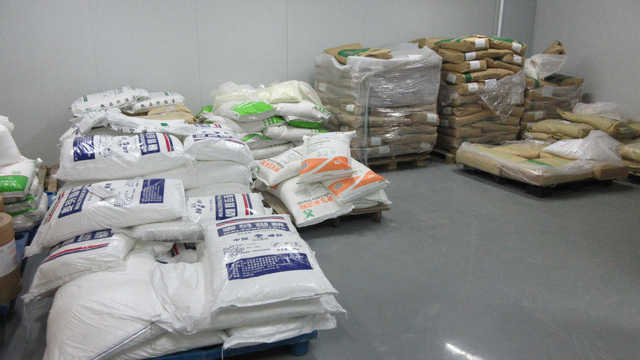
The sourcing architecture of global food ingredients has increasingly centered around Chinese processing hubs. Utilizing advanced automation and integrated manufacturing clusters, Ningbo Bolly Biology offers distinct supply chain advantages:
Precision Processing
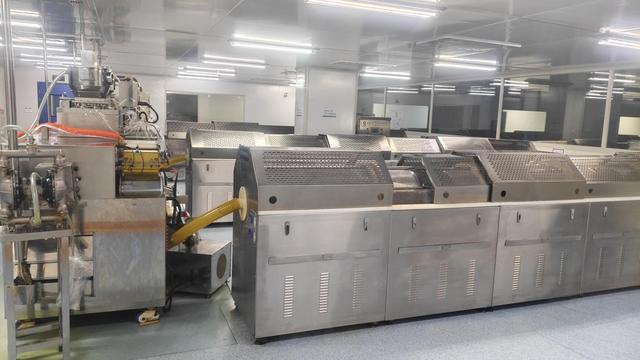
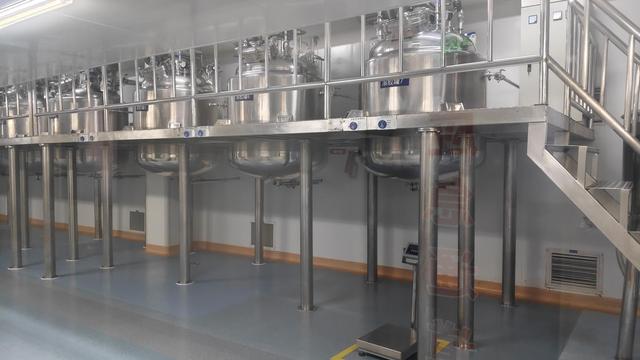
Our facilities implement state-of-the-art wet-milling, multi-stage membrane filtration, and continuous spray dryers. This maintains protein purity up to 85%+ while keeping structural denaturation to a minimum.
Scalability & Cost Control
Strategic geographic location in Ningbo enables direct access to major raw material agricultural hubs and shipping ports. We optimize energy usage and solvent recycling to significantly lower production costs compared to Western processing plants.
Stringent Quality Systems
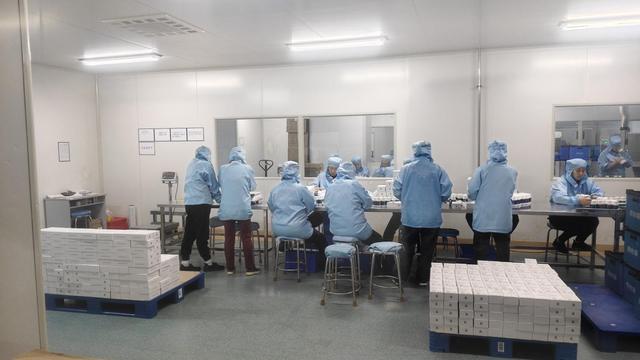
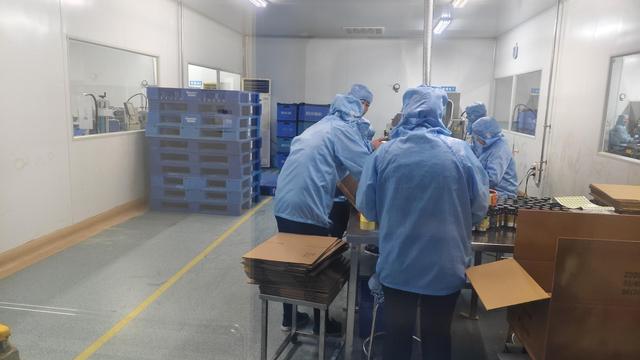
Fully compliant with ISO 22000, HACCP, Halal, and Kosher certifications. Our internal QA laboratory screens every batch for heavy metals, pesticides, microbial levels, and allergen cross-contamination.
5. Localized Application Scenarios & Formulations
Triticale Protein is not a one-size-fits-all product. Different geographic regions and manufacturing setups require customized functionalities:
- Plant-Based Meat Alternatives (USA & EU): Due to its strong water binding capacity and stretchability, triticale isolates perform exceptionally well in high-moisture extrusion (HME) texturization processes, providing a fibrous chewiness resembling poultry or beef.
- Protein Fortified Bakery (Global): Because triticale is closely related to wheat, the protein blends seamlessly into dough systems. It enhances structure, crumb softness, and moisture retention while maintaining clean label declarations.
- Sports Nutrition & Beverage Powders (APAC & LATAM): Hydrolyzed triticale peptides provide high solubility and low viscosity, enabling stable suspensions in ready-to-drink (RTD) functional shakes without grittiness.