Direct sourcing access to our top-tier plant-based protein extracts, certified gluten-free, manufactured under strict HACCP and GMP frameworks.
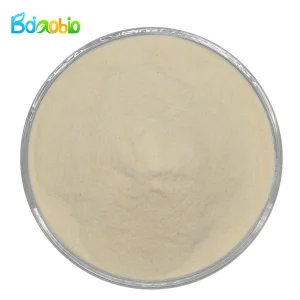
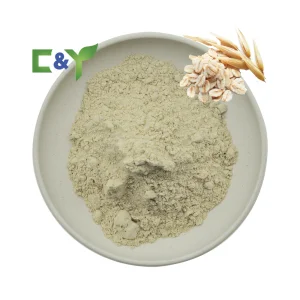
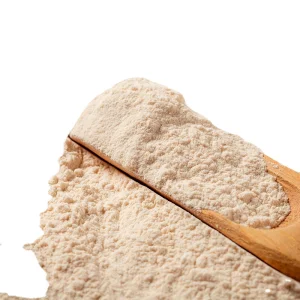
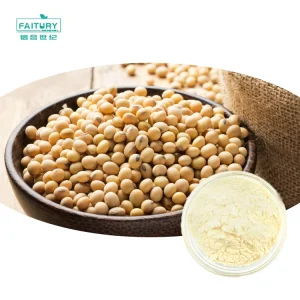
Understanding the growth drivers, regulatory landscapes, and scientific extraction techniques shaping the plant-based protein market.
The global demand for gluten-free plant proteins has transitioned from a niche dietary requirement for Celiac disease patients to a core pillar of mainstream lifestyle choices. Today, consumers actively seek allergen-free proteins to address digestive sensitivities, reduce systematic inflammation, and align with clean-label commitments.
This market shift has prompted massive innovations in wet-milling, enzymatic hydrolysis, and thermal processing technologies, allowing manufacturers to extract high-purity protein fractions from alternative grains and seeds while completely eliminating gluten cross-contamination.
For B2B procurement managers, sourcing plant proteins requires stringent compliance documentation. Leading global brands prioritize manufacturers that maintain dedicated gluten-free and allergen-segregated production lines to guarantee GFCO (Gluten-Free Certification Organization) compliance below 10 ppm.
Beyond allergen testing, key parameters such as heavy metal limits, pesticide residue monitoring, and strict microbiological controls define the quality gap between low-cost commodity brokers and premium ingredient manufacturers.
Why global food producers rely on Chinese advanced agricultural processing for scalable, cost-effective, and highly standardized protein sourcing.
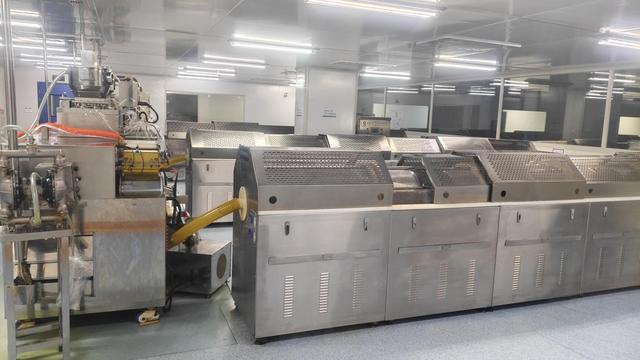
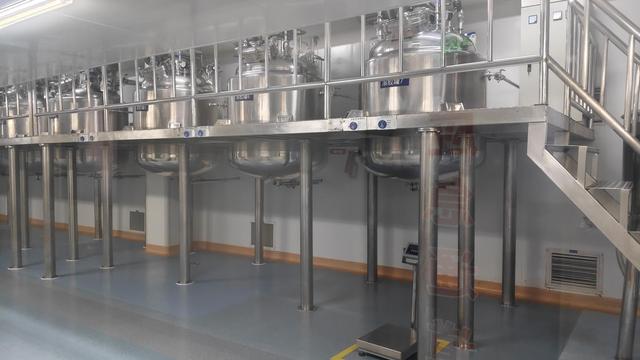
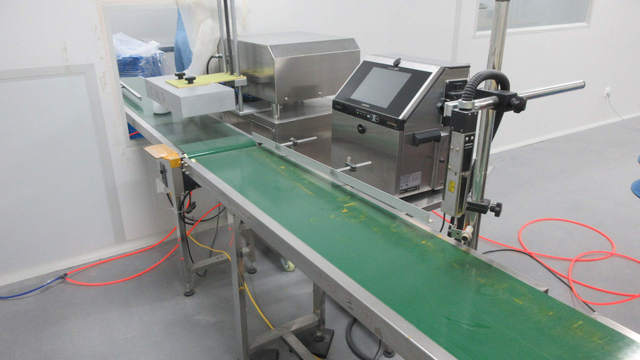
Chinese plant protein production facilities represent the pinnacle of modern manufacturing automation. By integrating fully closed-loop extraction machinery, continuous PLC monitoring, and online NIR (Near-Infrared) analytical instruments, factories can process thousands of metric tons of raw seeds and legumes daily. This high degree of automation ensures unmatched batch-to-batch consistency and significantly lower utility and labor costs.
Most modern plant protein complexes in China, such as those situated near major port systems like Ningbo and Shanghai, offer integrated logistics benefits. The proximity to deep-water shipping lanes cuts inland container transportation costs dramatically, optimizes export customs processing times, and ensures stable, temperature-controlled transit to destinations across North America, Europe, and the Asia-Pacific region.
| Protein Category | Common Protein Concentration | Key Functionality | Allergen Status | Primary Industrial Applications |
|---|---|---|---|---|
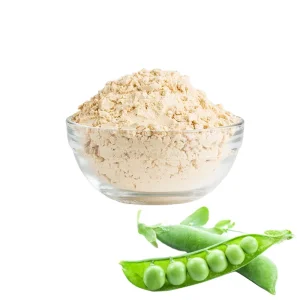
| Pea Protein Isolate | 80% – 85% | High emulsification, water-binding capacity | Allergen-free, Gluten-free | Meat alternatives, protein shakes, functional baking |
| Rice Protein Isolate | 80% – 90% | Easy digestibility, high amino acid profile | Hypoallergenic, Gluten-free | Infant formula, sports nutrition, dairy alternatives |
| Soy Protein Isolate | 90% | Excellent gelling, structural texturizer | Contains Soy, Gluten-free | Processed meat products, vegan cheese, high-protein snacks |
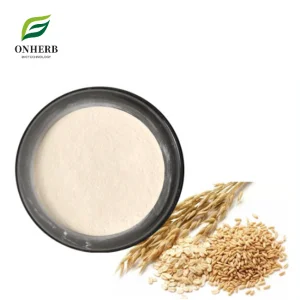
| Oat Protein Peptide | 60% – 99% | Highly soluble, rapid cellular absorption | Gluten-free option available | Nutraceutical beverages, cosmetics, dietary supplements |
| Hemp Seed Protein | 60% – 80% | Rich in Omega-3/6, high fiber retention | Allergen-free, Gluten-free | Raw foods, superfood mixes, meal replacements |
Pioneering clean-label extraction and supply excellence in vegetal protein technologies worldwide.
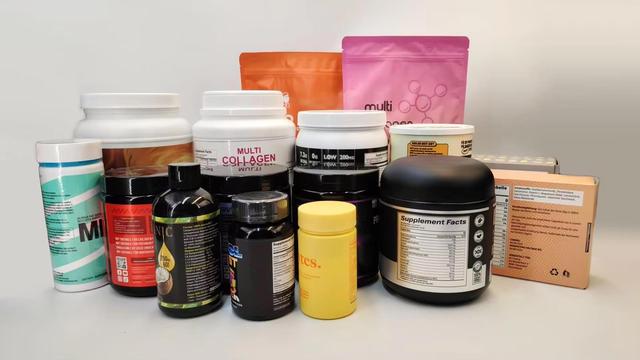
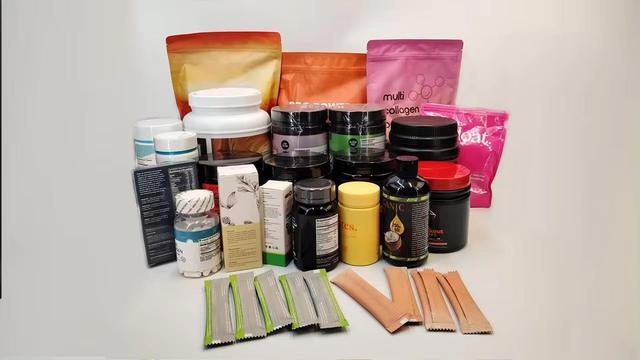
Ningbo Bolly biology Co., Ltd. is a leading China vegetal protein manufacturer specializing in high-quality plant protein ingredients for food and beverage applications. With a strong commitment to innovation, quality, and sustainability, the company provides comprehensive plant-based protein solutions to customers worldwide.
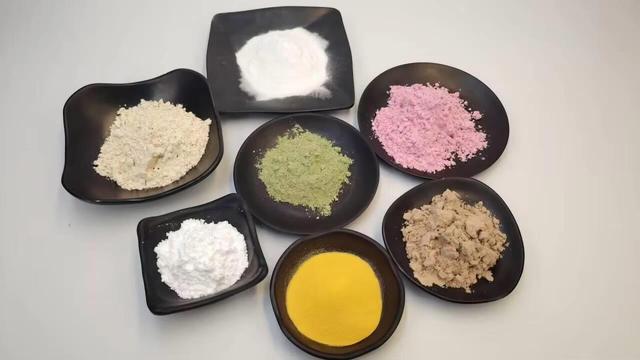
Leveraging advanced production technologies and strict quality management systems, Ningbo Bolly biology offers a diverse portfolio of vegetal protein ingredients, including soy protein, pea protein, rice protein, wheat protein, and other specialty plant proteins. These ingredients are widely used in functional foods, beverages, nutritional supplements, sports nutrition products, meat alternatives, dairy alternatives, bakery products, and health foods.
The company places great emphasis on research and development, continuously exploring new plant protein technologies to meet the evolving demands of the global food industry. Its experienced R&D team works closely with customers to develop customized ingredient solutions that enhance nutritional value, improve texture, optimize taste, and support clean-label product development.
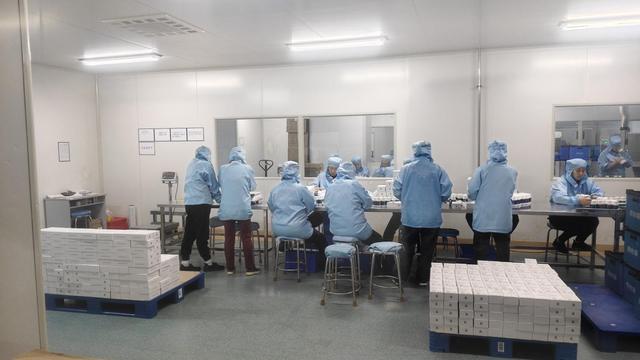
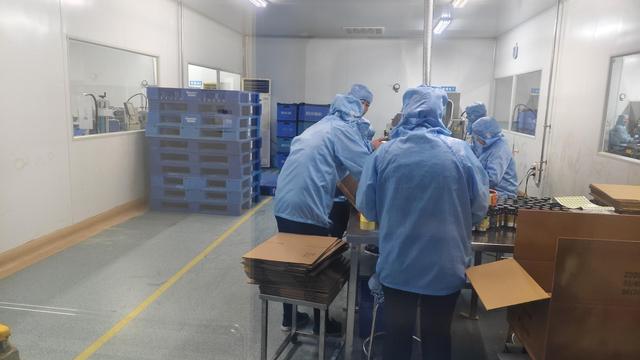
Quality and safety are at the core of Ningbo Bolly biology' operations. The company implements rigorous quality control procedures throughout the entire production process, ensuring that all products meet international standards and customer requirements. By maintaining consistent product quality and reliable supply capabilities, the company has established long-term partnerships with food manufacturers, distributors, and brand owners across multiple international markets.
Driven by customer satisfaction and sustainable development, Ningbo Bolly biology Co., Ltd. continues to deliver innovative vegetal protein solutions that help customers create healthier, more sustainable, and market-competitive food and beverage products worldwide.
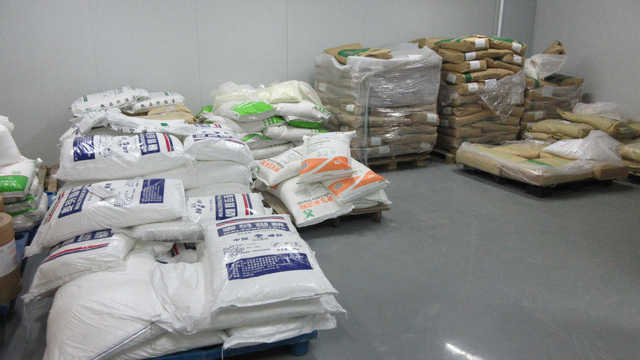

How modern food technology leverages specific molecular properties of gluten-free proteins to craft highly stable, nutritional food formulations.
For functional shakes, suspension stability is critical. Standard vegetable proteins suffer from high sediment rates and a sandy mouthfeel. Highly refined clear pea protein isolates and enzymatically hydrolyzed oat peptide proteins are optimized for acidic and neutral formulations, ensuring excellent clarity, zero grit, and prolonged shelf-life stability.
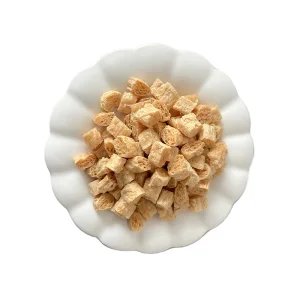
Textured Vegetable Protein (TVP) serves as the primary structural matrix for modern plant-based burgers, sausages, and poultry analogs. Formulating TVP requires high water-holding capacities and fat-binding coefficients. Relying on non-GMO soy protein concentrates and pea isolates enables manufacturers to recreate the bite, chewiness, and juicy characteristics of real meat without relying on artificial starches or gluten binders.
Gluten plays a vital role in trapping gas during dough fermentation. Replacing gluten while maintaining crumb structure requires customized protein-to-starch ratios. Incorporating plant proteins like chickpea isolate or brown rice protein in gluten-free flour mixes introduces valuable essential amino acids while maintaining the elastic, cohesive properties of commercial doughs.
A professional framework for quality assurance and purchasing directors to evaluate raw material suppliers before onboarding.
Manufacturers must supply detailed Standard Operating Procedures (SOPs) illustrating how they prevent cross-contact with gluten, soy, dairy, or nuts. High-quality factories execute ELISA testing on every single incoming raw lot and outgoing manufactured batch, verifying gluten levels fall comfortably below 10 ppm (which exceeds the standard FDA 20 ppm regulation).
Plant protein extracts, particularly rice and pea, are naturally prone to concentrating soil heavy metals (like arsenic, lead, cadmium). Ensure your manufacturer provides batch-specific ICP-MS analysis certificates validating heavy metal levels conform to strict Proposition 65 limits and EFSA guidelines.
Raw plant proteins possess characteristic beany or earthy flavor notes. Leading suppliers use advanced heat processing or natural enzyme applications to neutralize these volatile compounds (hexanal). Always request organoleptic testing samples across various pH ranges to evaluate taste profile compatibility with your end product.
Get authoritative answers on gluten thresholds, supply chains, shelf life, and specialized plant protein manufacturing processes.
Explore additional raw materials, functional additives, and texturized proteins manufactured for global industrial supply chains.
 Bolly Biology