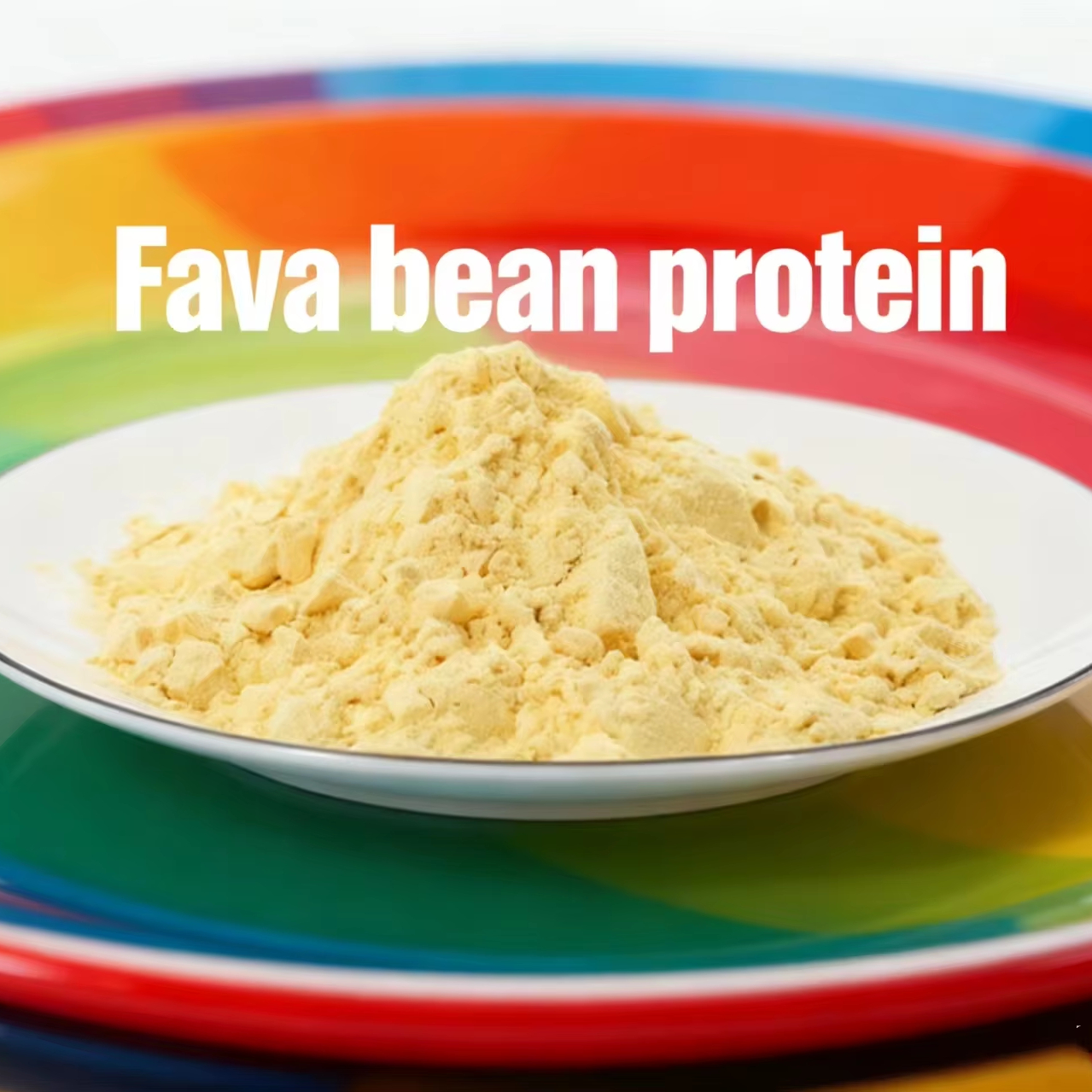
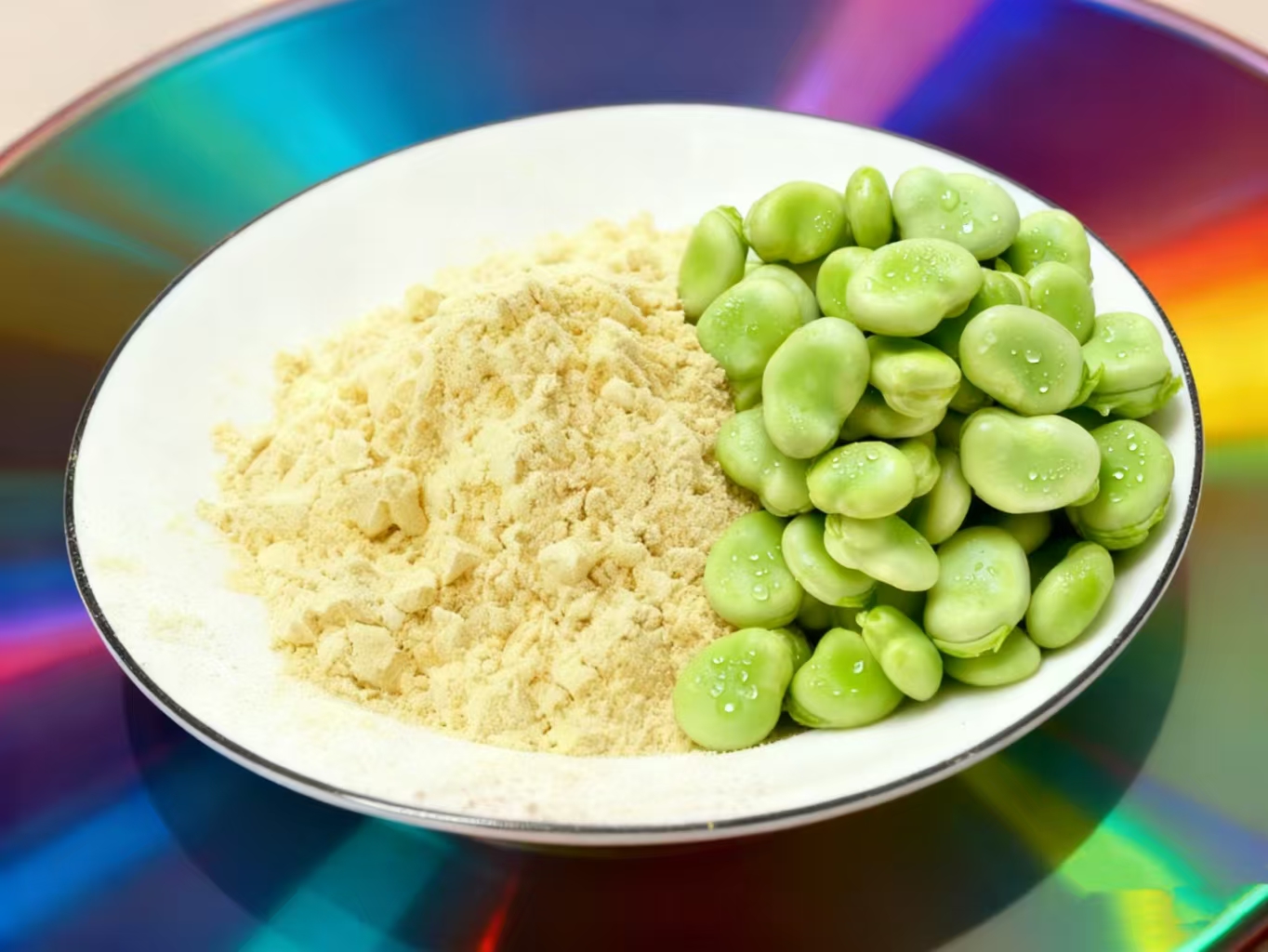
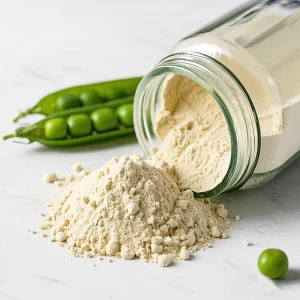
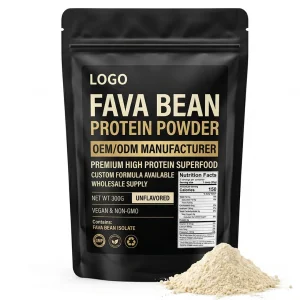
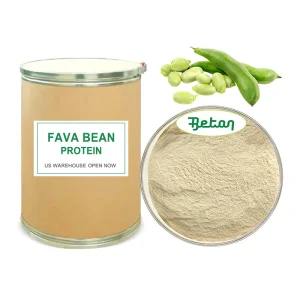
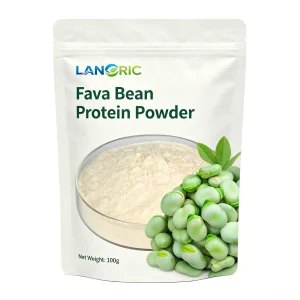
Fava Bean Protein Advantages
Nutritional Value
- Higher Protein Content: Fava beans contain approximately 27%-30% protein, exceeding peas' 15.3%-34.4% (average 24.8%).
- Superior Amino Acid Profile: The amino acid pattern of fava bean protein closely aligns with human requirements. Its albumin exhibits an amino acid composition highly similar to that needed by the human body, making it an excellent natural plant-based protein source.
Functional Characteristics
- Enhanced Solubility: Fava bean protein demonstrates good solubility. Its solubility can be further improved through various extraction methods (such as ultrafiltration or ultrasonic-assisted extraction), thereby increasing its potential utilization.
- Superior Water Retention: Fava bean protein's water retention performing excellently under optimal conditions to help maintain moisture and texture in food processing.
Processing Properties
- Smoother Texture: Fava bean protein's fine particle size (D50=16.00μm) facilitates the production of finely textured foods, such as plant-based meat alternatives.
- Excellent Gel Properties: Low gelation temperature and high water-holding capacity provide favorable gel characteristics in food processing, facilitating stable structure formation.
Environment & Sustainability
- Environmentally Friendly: Fava bean cultivation has minimal environmental impact. Its nitrogen-fixing properties enhance soil fertility, reduce chemical fertilizer use, and lower carbon footprint.
- Adaptability: Broad beans exhibit strong climate resilience and can be cultivated in diverse environments, facilitating localized production to reduce transportation costs and carbon emissions.
In summary, fava bean protein demonstrates notable advantages in nutritional value, functional properties, processing performance, environmental sustainability, and market applications, positioning it as a plant-based protein resource with vast development potential.
Product Specifications
| Product Details |
Specifications |
| Product Name |
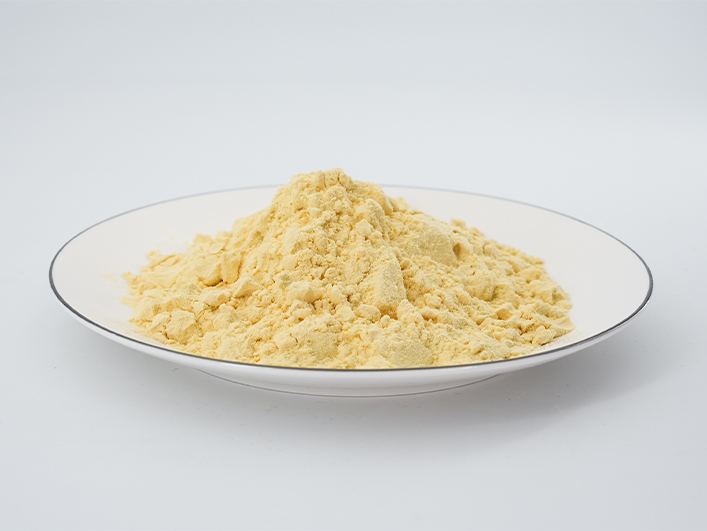
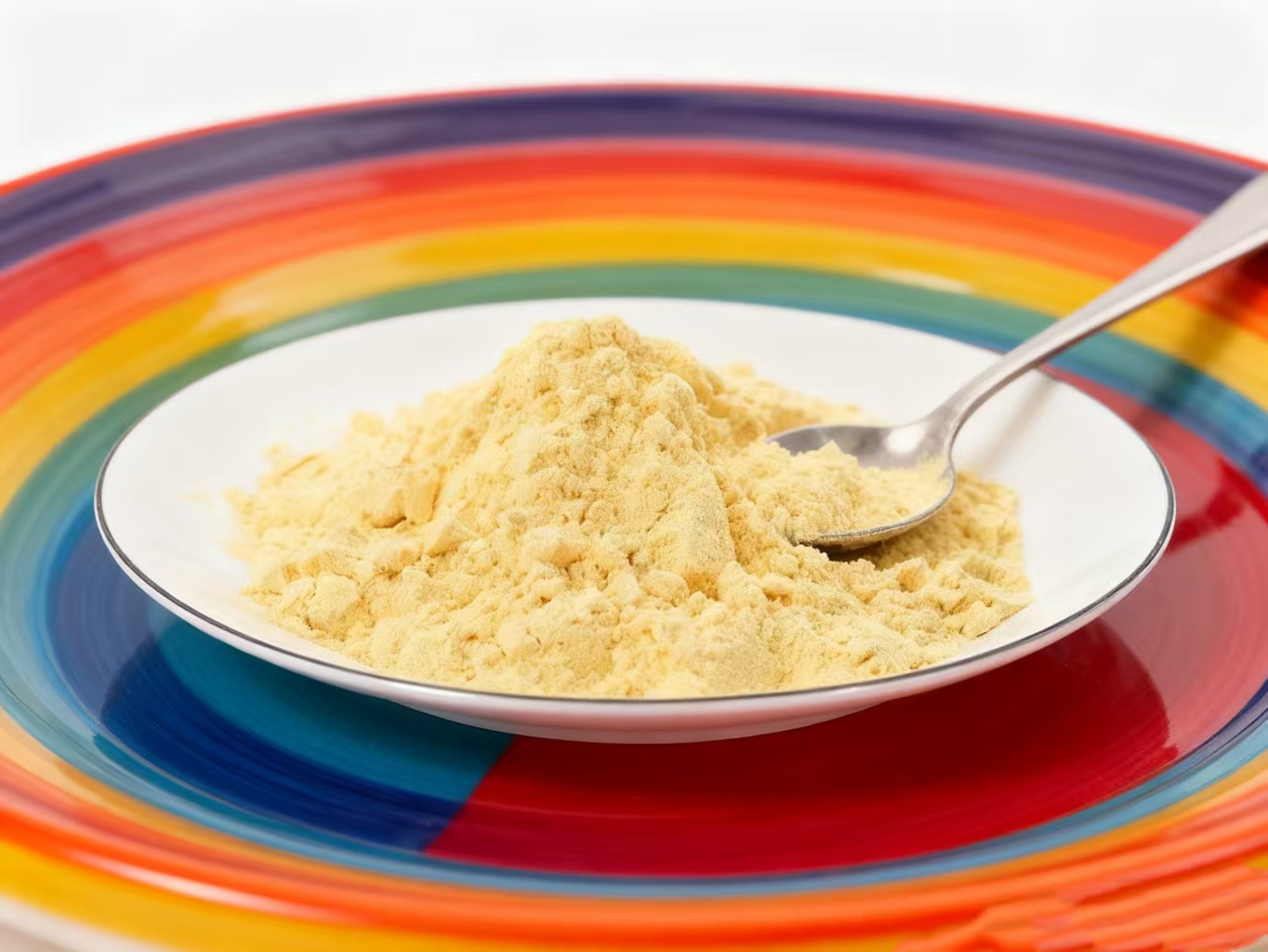
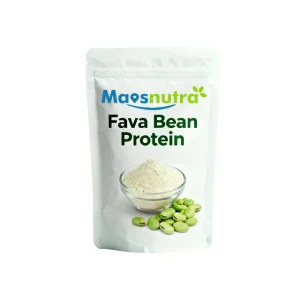
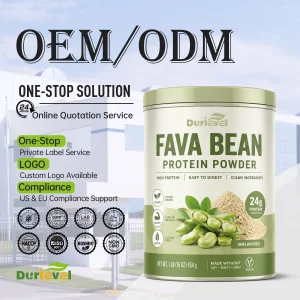
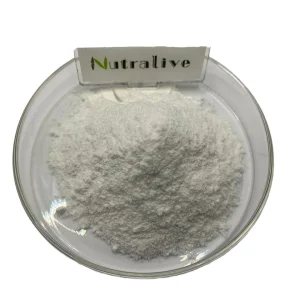
Fava Bean Protein 90% |
| Appearance |
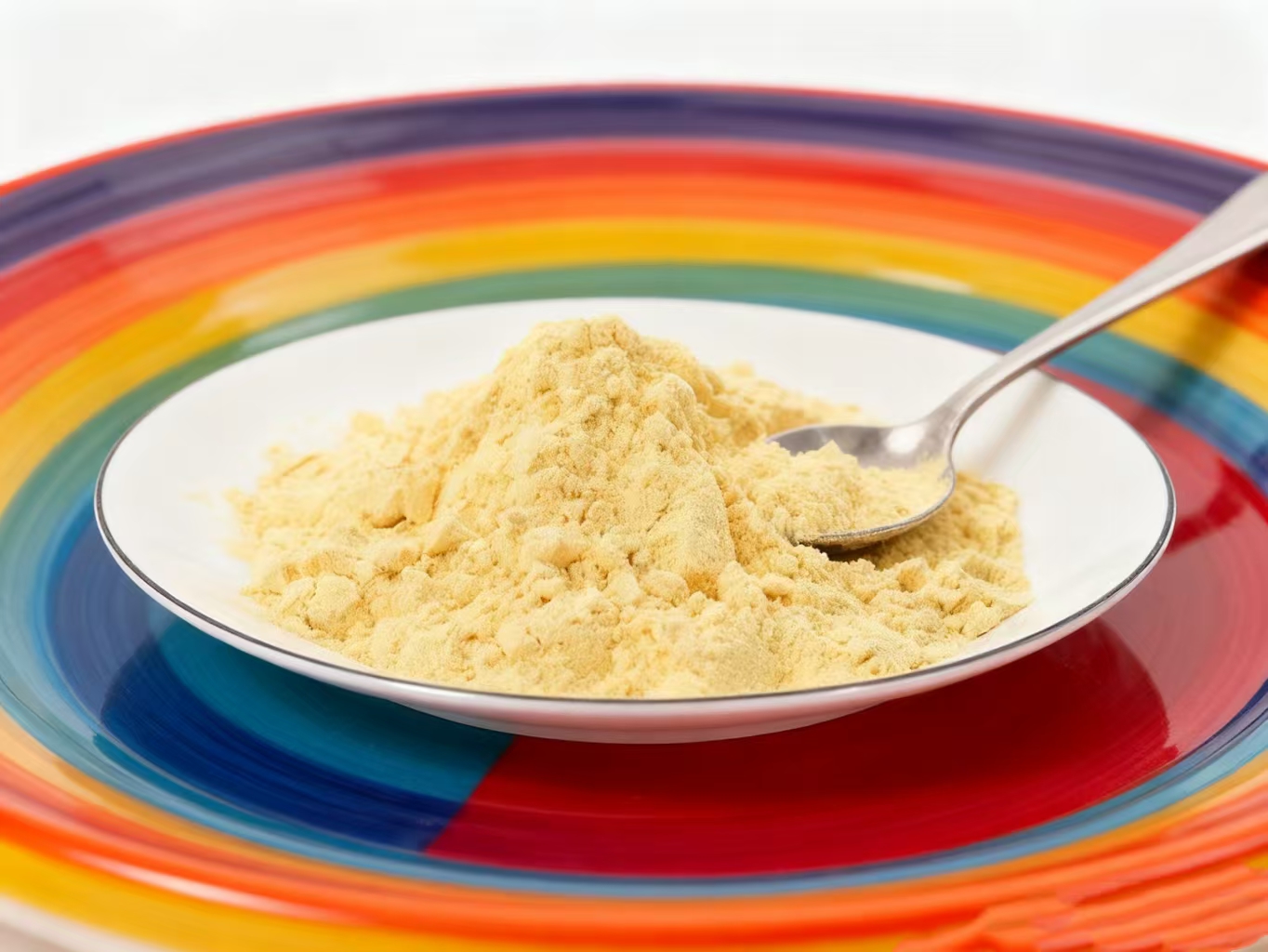
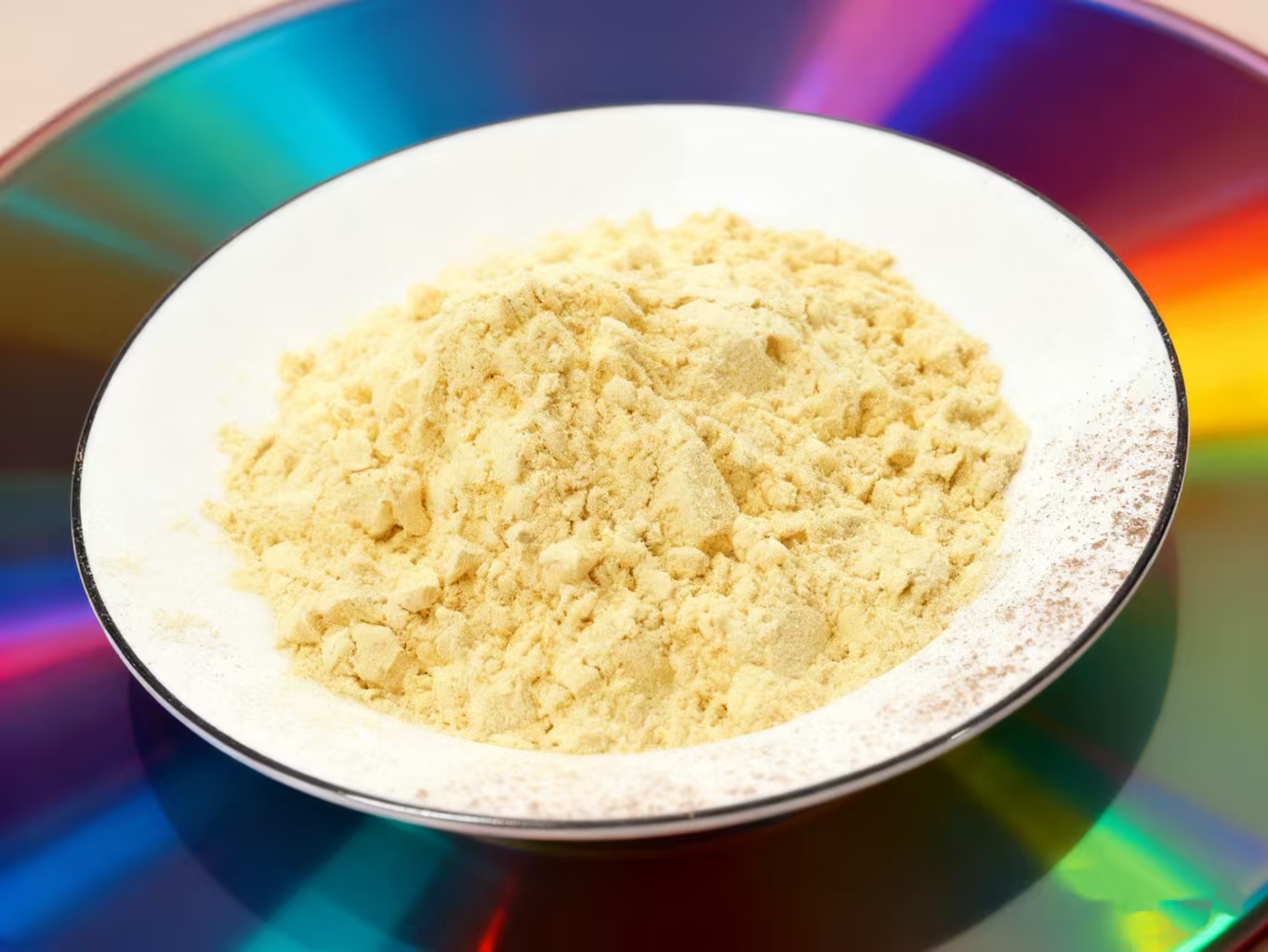
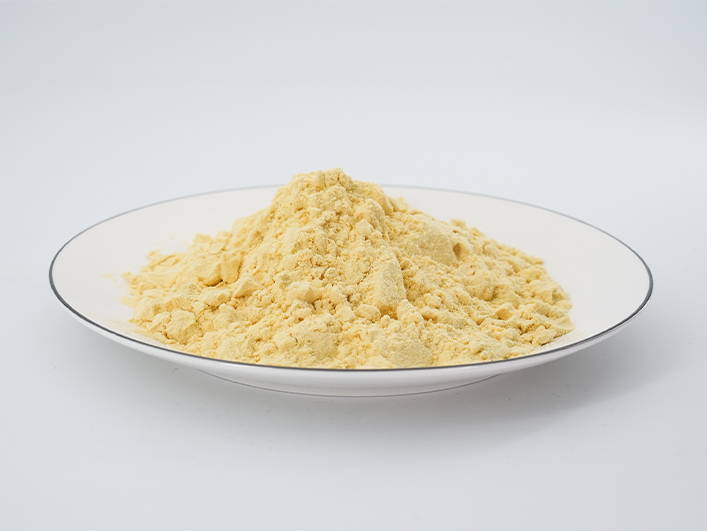
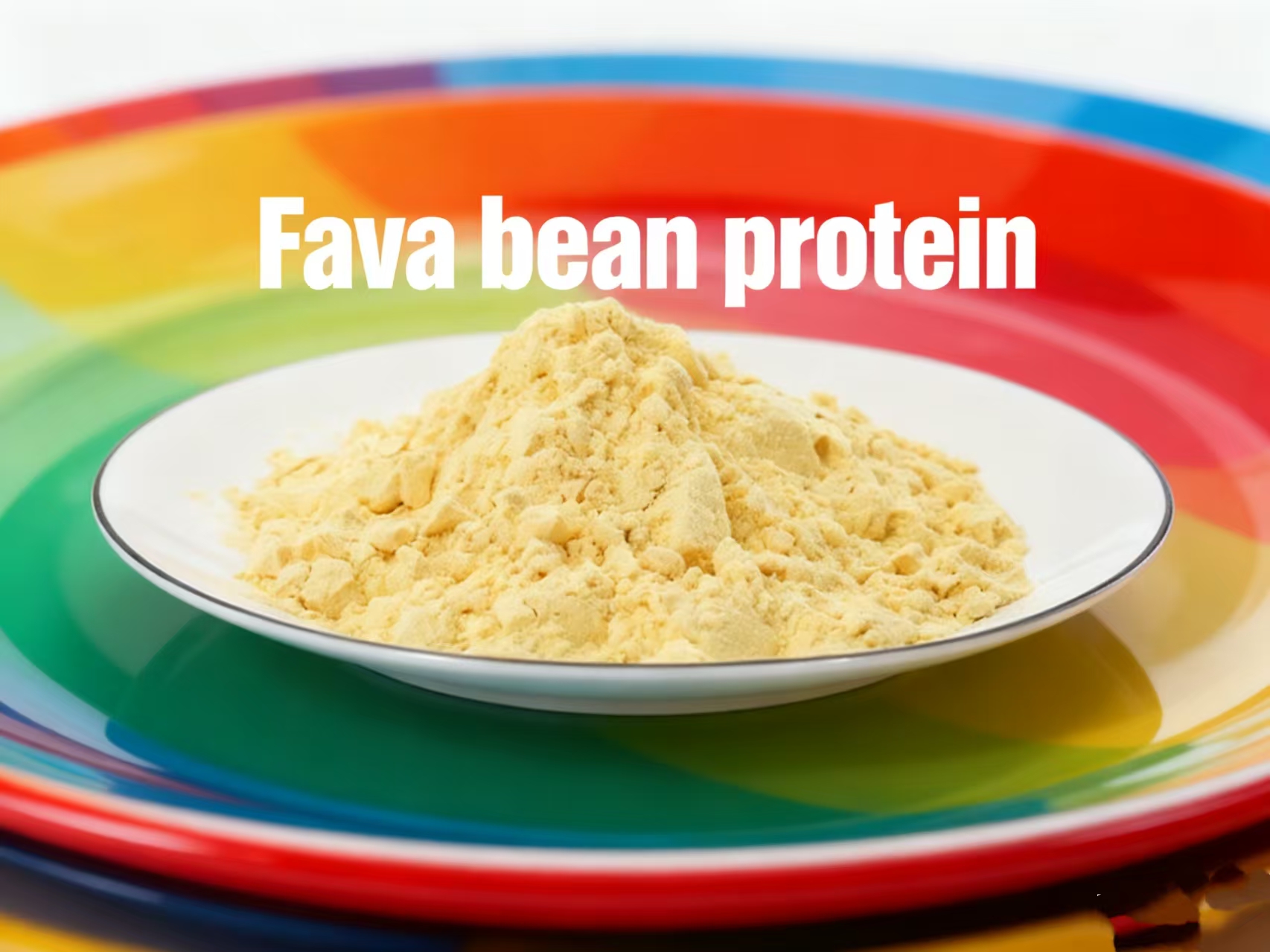
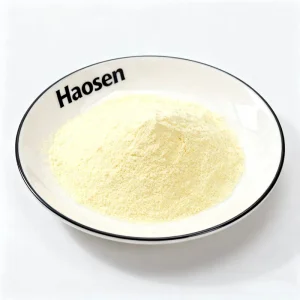
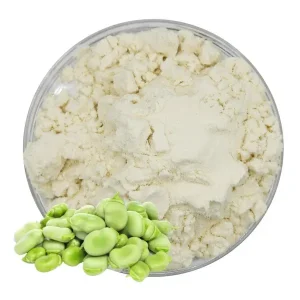
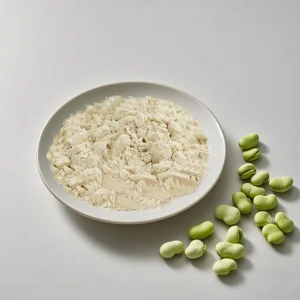
Light yellow fine powder |
| Stock |
In stock |
| Sample |
Free sample |
| Packaging |
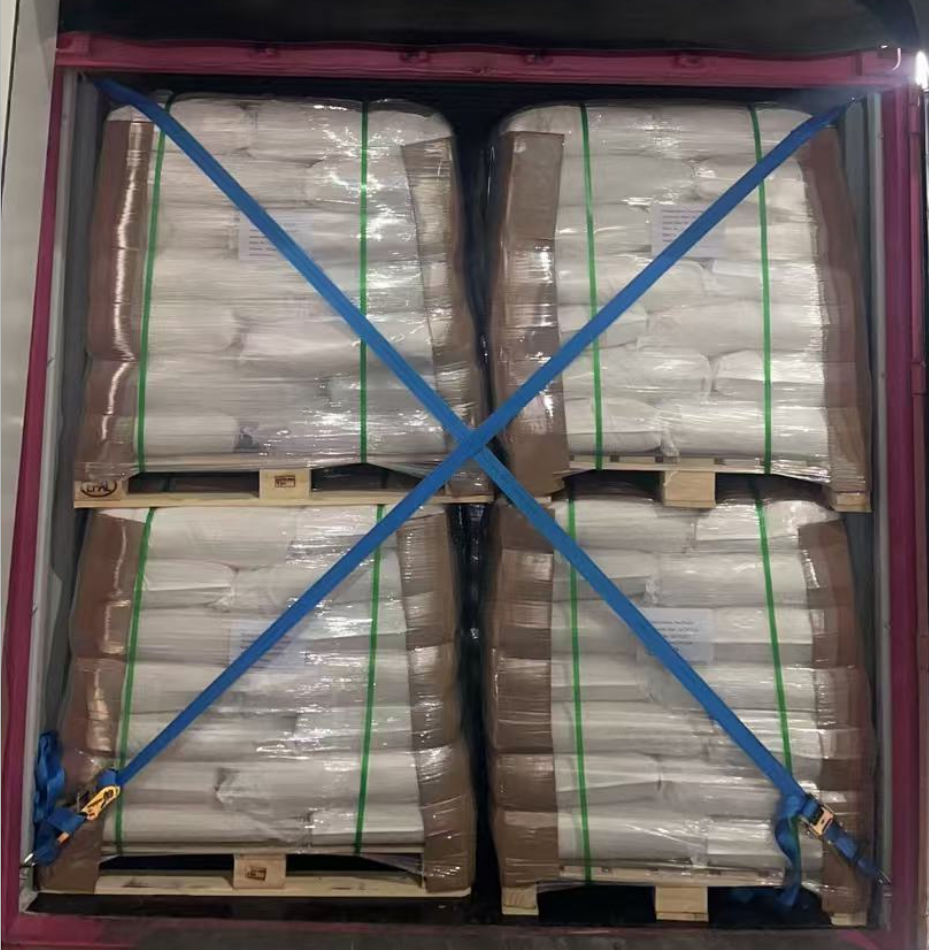
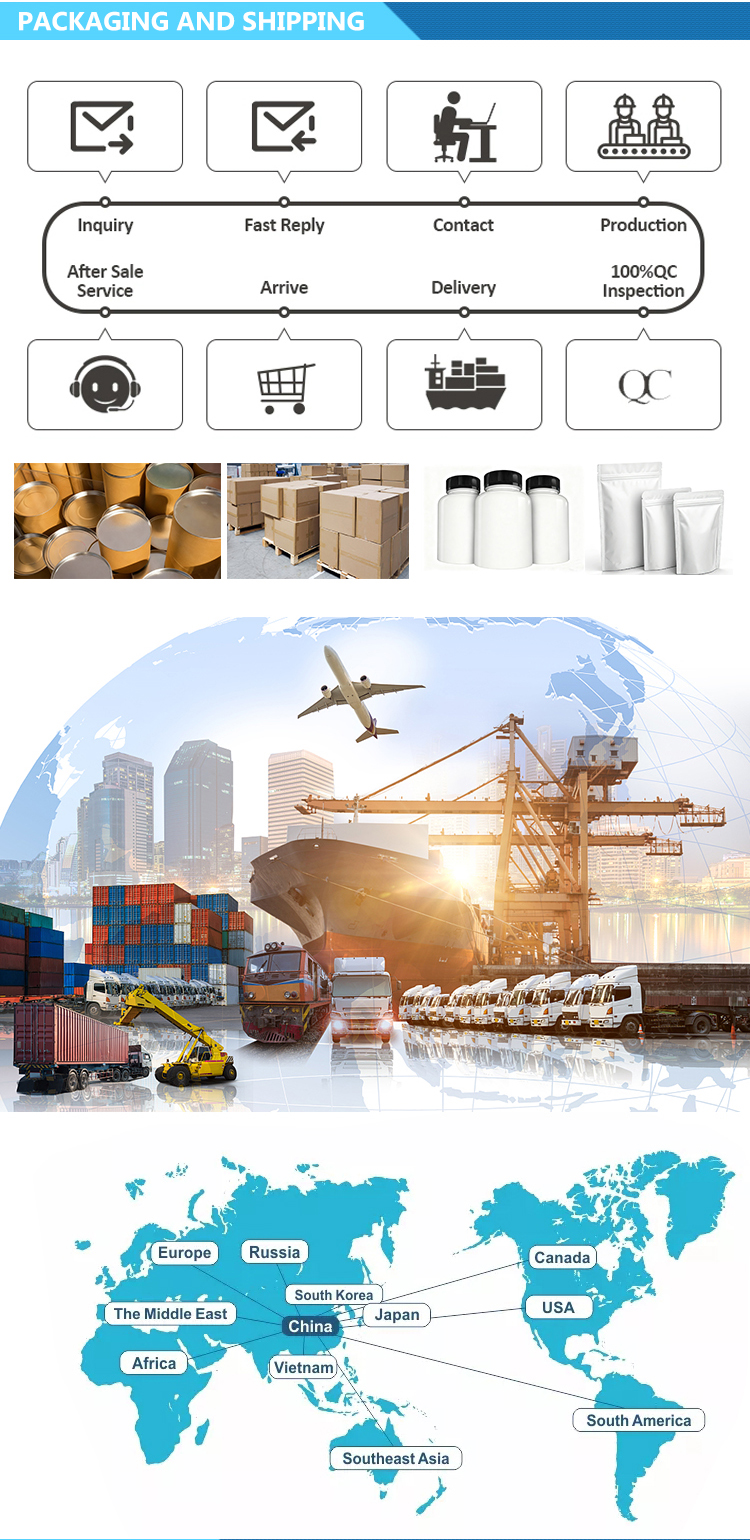
20kg/bag, 30bags/pallet, 20pallets/20“FCL. OEM package available by customers' requirements. |
| Storage |
Store in cool & dry place, keep away from strong light and heat. |
Strong Functional Characteristics: It is suitable for meat and surimi products, water and oil conserving gel high-quality meat products with high quality tender yield, and surimi elastic stability reduces cost and increases efficiency.
Market Applications
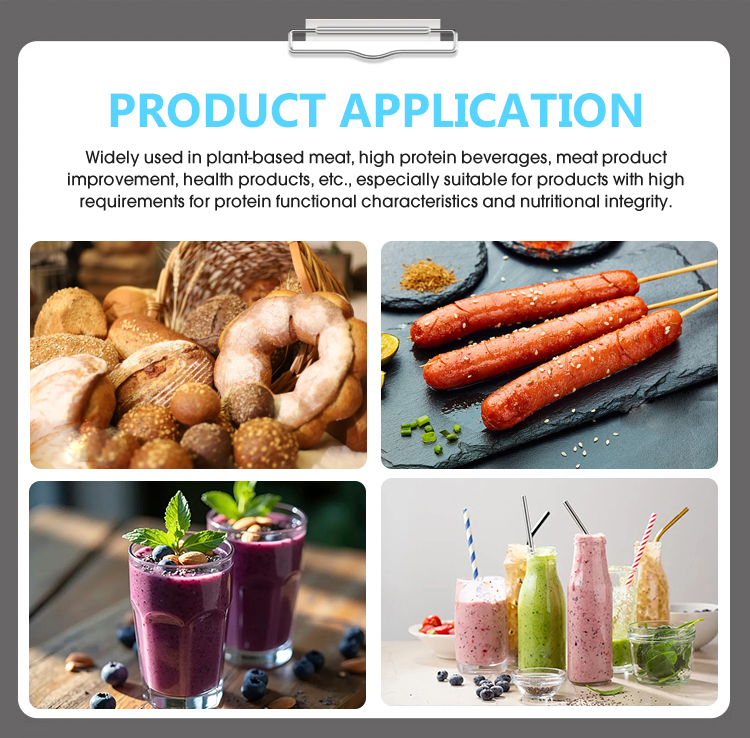
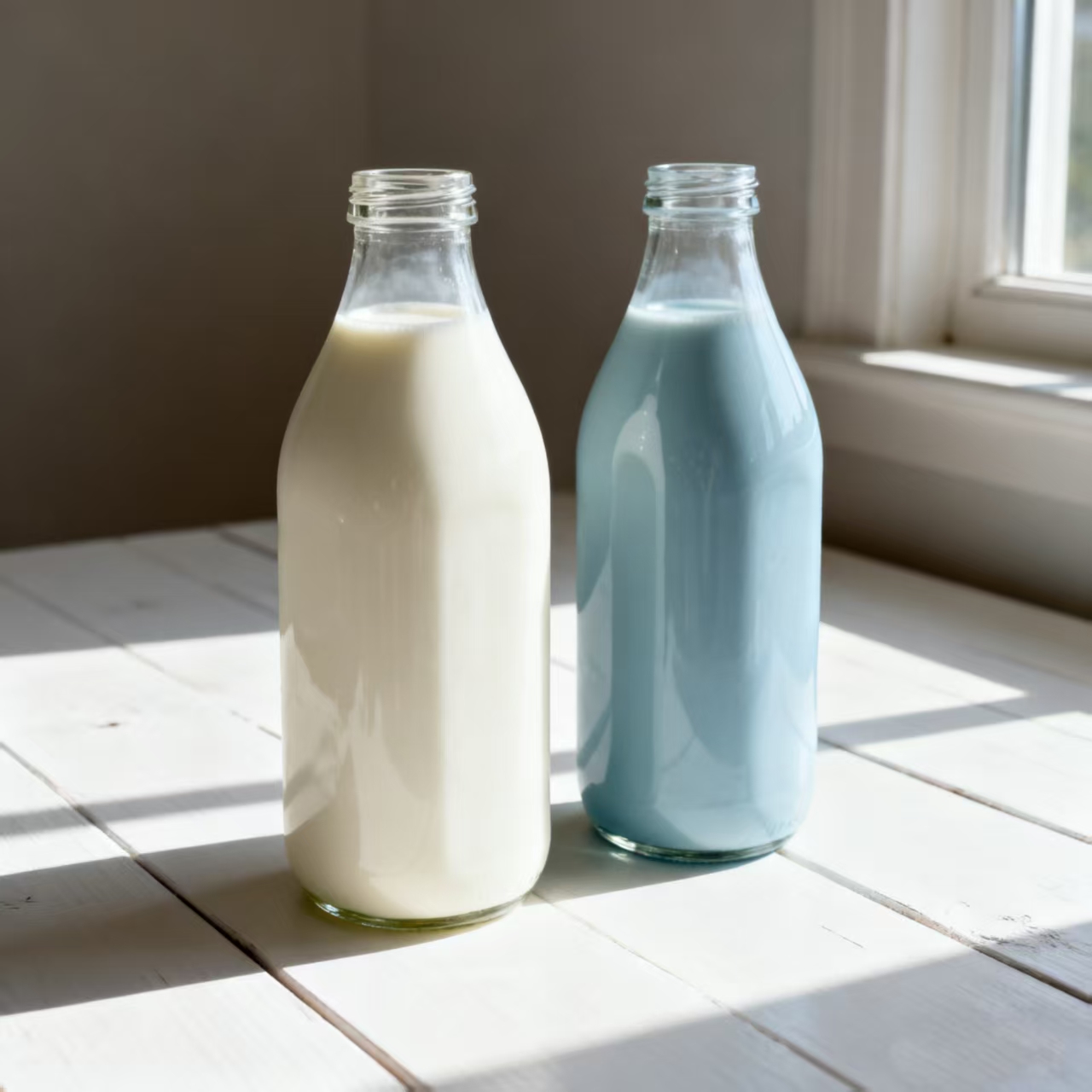
Fava bean protein holds broad prospects in plant-based meat, plant-based milk, and other products. Market interest continues to rise, with multiple companies actively expanding into the fava bean protein market.
In the Food Field
The functions of fava protein include improving immunity, regulating intestinal system, completing amino acid supplement, promoting collagen synthesis, promoting postoperative recovery after disease, and helping slimming. Therefore, the protein can be added to food as a nutritional supplement:
- Grain Application: Bread, cake, noodles, nutritious rice noodles.
- Meat Processing: Added to meat products as a high-quality meat substitute.
- Pet Food: Supplies essential protein to pets.
- Dairy Products: Used in yogurt, milk powder, and other dairy solutions.
In Health Care & Fitness
Fava Bean protein belongs to plant protein, containing no cholesterol and low in fat. The filtered protein peptide hydrolyzed by thermophilic protease is beneficial in lowering blood pressure.
- Health Care: Addresses protein deficiency, provides essential nutrition, and helps lower blood pressure.
- Fitness: Significantly increases satiety and supports muscle growth.
- Product Forms: Meal replacement powder, functional protein drinks, milk products like functional milkshakes, and energy bars.
Frequently Asked Questions
Q1
What international quality certifications do your food ingredients and packaging comply with?
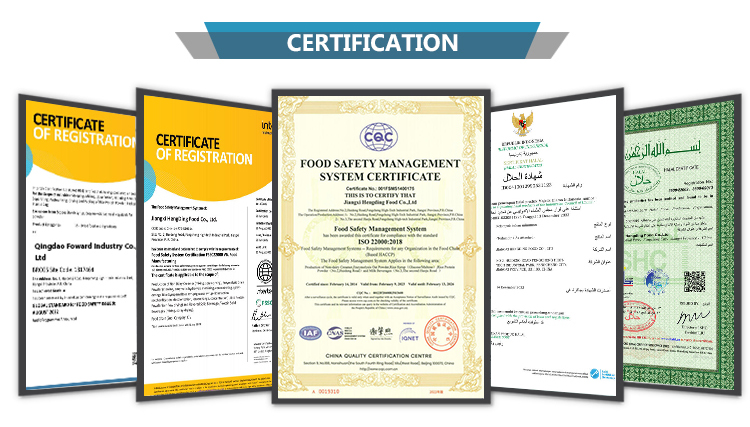
We comply with EU, and ISO standards—full certification documents are available upon request.
Q2
Can you provide customized formulations or packaging designs based on our specific needs?
Yes, we can do OEM by your requirements.
Q3
What is the minimum order quantity (MOQ) for your products, and is it negotiable?
MOQ varies by product (typically 500–1000 units); negotiable for long-term or bulk orders.
Q4
How long does the production and delivery cycle take for cross-border shipments?
Production takes 7–15 working days, and delivery takes 15–30 days (varies by destination).
Q5
Do you offer product samples, and what is the sample application process and cost?
We provide free samples for qualified clients. You only need to cover shipping fees, which we will refund from your first formal order.
Q6
How do you ensure food safety and avoid contamination during production and transportation?
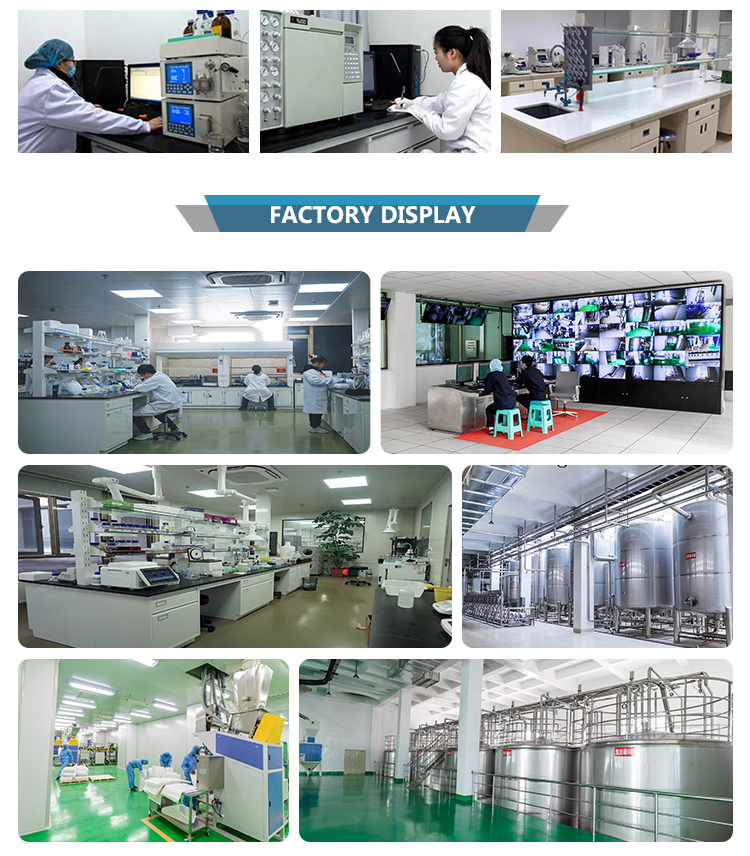
We implement strict quality control procedures, including raw material testing, sealed packaging, and temperature-controlled logistics.
 Bolly Biology