High-purity isolates, enzymatic peptides, and functional powders engineered for food, nutrition, and feed applications.
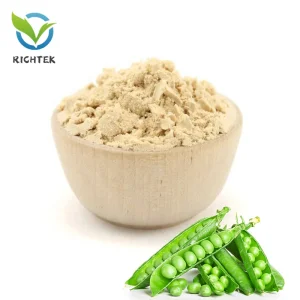
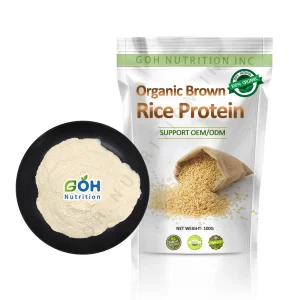
Decoding the shift toward clean-label seed protein fractions and China's dominance in high-efficiency bio-manufacturing.
The global dietary transition toward sustainable, allergen-free, and high-digestibility plant proteins has placed seed proteins—derived from sunflower, hemp, rapeseed, pea, rice, and specialty legumes—at the center of functional food innovation. Unlike traditional dairy or soy proteins, seed-derived proteins offer superior hypoallergenicity, excellent emulsification properties, and an optimal essential amino acid (EAA) profile without triggering consumer concerns over genetic modification or phytoestrogenic compounds.
China has established itself as the world’s foremost manufacturing hub for seed protein extraction, processing, and customization. Driven by robust agricultural supply chains, state-of-the-art enzymatic cleavage technology, and massive industrial-scale membrane ultrafiltration facilities, Chinese manufacturers deliver unprecedented cost efficiencies, ultra-high purity levels (up to 90% isolate content), and strict quality compliance meeting US FDA, EU Organic, Kosher, and Halal standards.
Direct integration with domestic agricultural bases ensures consistent raw seed supply, neutralizing global commodity price volatility while maintaining continuous batch-to-batch consistency for mega-scale industrial buyers.
By leveraging proprietary targeted enzymatic hydrolysis, Chinese factories reduce anti-nutritional factors (phytates, tannins) to near zero, boosting Nitrogen Solubility Index (NSI) and protein bio-accessibility.
Seed proteins eliminate concerns surrounding Common 8 Allergens (Soy, Dairy, Gluten, Wheat, Peanut, Tree Nuts, Egg, Fish), unlocking seamless entry into sensitive consumer market segments globally.
In-depth focus on Ningbo Bolly biology Co., Ltd. — Pioneering standard setting in vegetal protein science.
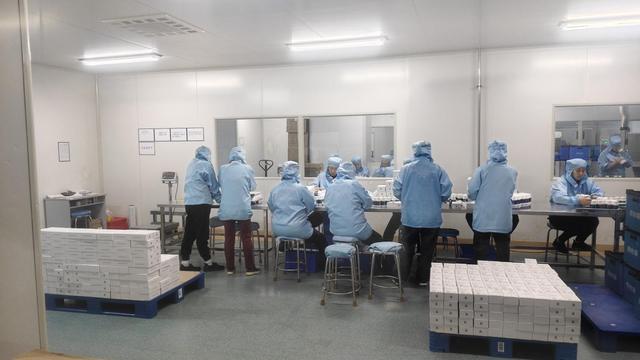
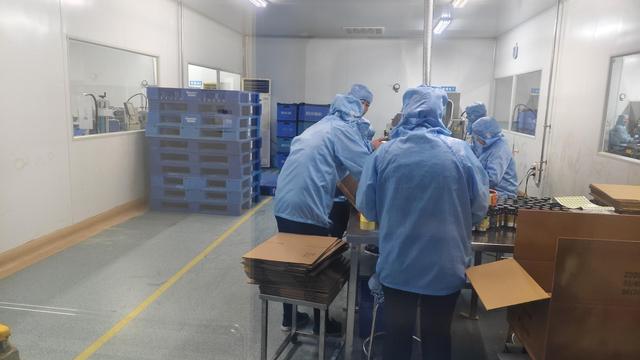
Ningbo Bolly biology Co., Ltd. is a leading China vegetal protein manufacturer specializing in high-quality plant protein ingredients for food and beverage applications. With a strong commitment to innovation, quality, and sustainability, the company provides comprehensive plant-based protein solutions to customers worldwide.
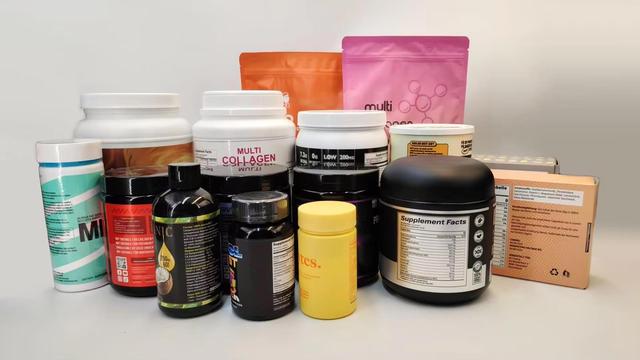
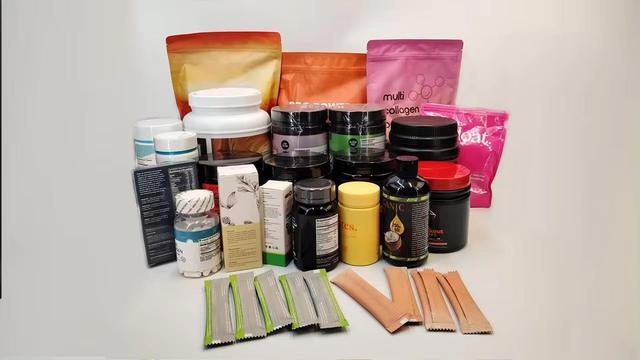
Leveraging advanced production technologies and strict quality management systems, Ningbo Bolly biology offers a diverse portfolio of vegetal protein ingredients, including soy protein, pea protein, rice protein, wheat protein, and other specialty plant proteins. These ingredients are widely used in functional foods, beverages, nutritional supplements, sports nutrition products, meat alternatives, dairy alternatives, bakery products, and health foods.
The company places great emphasis on research and development, continuously exploring new plant protein technologies to meet the evolving demands of the global food industry. Its experienced R&D team works closely with customers to develop customized ingredient solutions that enhance nutritional value, improve texture, optimize taste, and support clean-label product development.
Quality and safety are at the core of Ningbo Bolly biology' operations. The company implements rigorous quality control procedures throughout the entire production process, ensuring that all products meet international standards and customer requirements. By maintaining consistent product quality and reliable supply capabilities, the company has established long-term partnerships with food manufacturers, distributors, and brand owners across multiple international markets. Driven by customer satisfaction and sustainable development, Ningbo Bolly biology Co., Ltd. continues to deliver innovative vegetal protein solutions that help customers create healthier, more sustainable, and market-competitive food and beverage products worldwide.
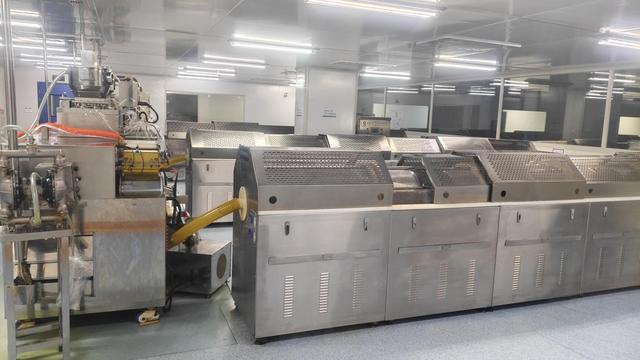

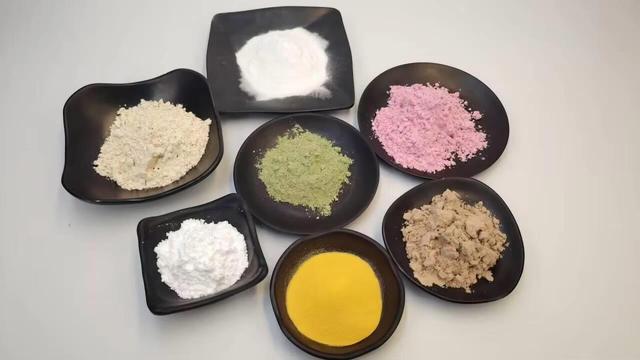

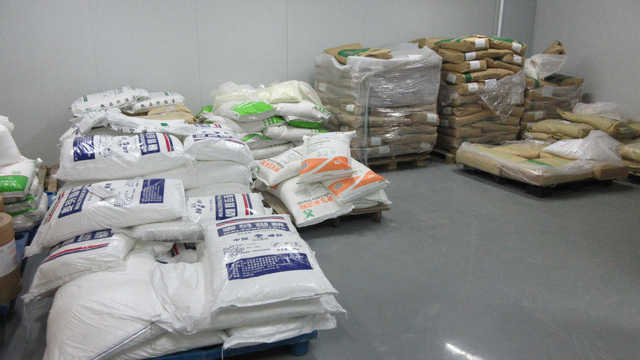

A deep technical analysis of physical cold pressing, membrane microfiltration, and targeted bioactive enzymatic hydrolysates.
The manufacturing process of seed protein isolate involves a multi-stage bio-refinery approach designed to preserve native tertiary protein structures while eliminating polyphenols, chlorogenic acid (in sunflower seeds), and bitter glucosinolates (in rapeseed/canola). Modern Chinese processing lines employ Low-Temperature Acoustic-Assisted Cold Pressing followed by alkaline extraction-isoelectric precipitation (AE-IP) or cross-flow ceramic ultrafiltration (UF).
| Seed Protein Type | Protein Purity (%) | PDCAAS Score | Solubility Index (NSI) | Emulsification Capacity | Key Target Application |
|---|---|---|---|---|---|
| Sunflower Seed Protein | 60% – 85% | 0.68 – 0.72 | > 82% at pH 7.0 | High (85 m²/g) | Clean-label bakery, RTD Shakes, Meat Extenders |
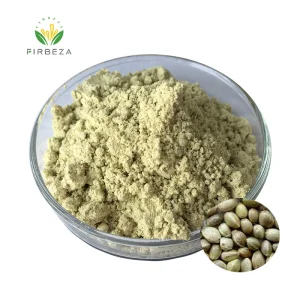
| Hemp Seed Protein | 60% – 75% | 0.84 – 0.90 | > 70% at pH 7.0 | Moderate (62 m²/g) | Organic Fitness Powder, Gut Health Supplements |
| Organic Pea Protein Isolate | 80% – 90% | 0.89 – 0.93 | > 88% at pH 7.0 | Very High (110 m²/g) | Plant-based Dairy, Texturized Vegetable Protein (TVP) |
| Brown Rice Protein | 80% – 90% | 0.70 – 0.75 | > 65% at pH 7.0 | Moderate (58 m²/g) | Hypoallergenic Infant & Sports Nutrition |
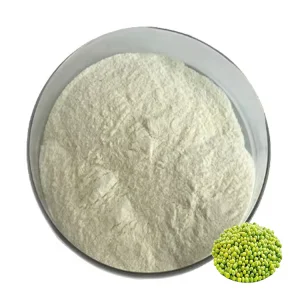
| Mung Bean Peptide Isolate | 80% – 88% | 0.85 – 0.88 | > 94% at pH 7.0 | Excellent (125 m²/g) | Egg-free Mayonnaise, Heat-Induced Gelation Foods |
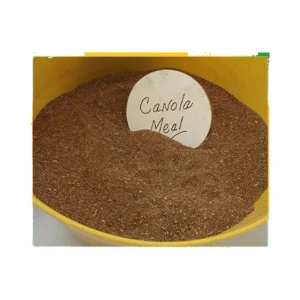
| Rapeseed Meal Protein | 55% – 70% | 0.91 – 0.95 | > 78% at pH 7.0 | High (92 m²/g) | Nutritious Aquaculture & Premium Livestock Feed |
Customized ingredient integration paradigms for global food processors, nutritional brands, and agricultural conglomerates.
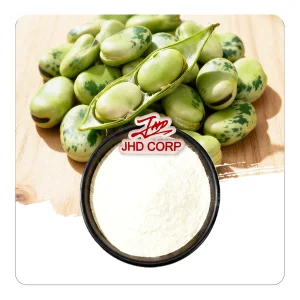
Seed proteins provide specific cross-linking gel structures required for high-moisture meat extrusion. Replacing soy with textured pea, sunflower, and fava bean isolates yields a fibrous texture identical to chicken breast or beef muscle, completely eliminating soy allergen labeling.
Through controlled enzymolysis, seed proteins are broken down into low-molecular-weight oligopeptides (< 1000 Da). These peptides allow instant absorption, rapid muscle glycogen replenishment, and enhanced intracellular antioxidant enzyme defense systems without stomach bloating.
Soluble seed proteins (such as micronized rice and sunflower protein isolates) undergo ultra-high-pressure homogenization (> 800 bar), resulting in sub-micron particle dispersion that prevents sedimentation in shelf-stable RTD plant milks, creamers, and nutritional beverages.
Meeting European and North American Scope 3 emissions targets through upcycled agricultural streams.
Industrial seed protein extraction represents one of the most effective circular economy models within modern agribusiness. Seed meals (such as sunflower cake or rapeseed expeller), which were historically relegated to low-value livestock feed or biomass waste, are now converted through precision fractionation into premium human-grade isolates.
Leading Chinese facilities utilize closed-loop water recirculation systems, reducing freshwater utilization by up to 65% compared to standard wet fractionation mills. Furthermore, the reliance on enzymatic processing rather than aggressive solvent washing ensures that final products remain completely free of chemical residue traces (Hexane-Free certification).
The convergence of computational biology, precision fermentation, and plant seed matrix refinement.
The next decade of seed protein technology will be defined by three major technological shifts:
Direct answers to key technical questions raised by food scientists, formulation engineers, and global procurement leads.
Explore specialized ingredient portfolios engineered for OEM/ODM private label and global bulk supply.
 Bolly Biology