Explore our top-recommended functional plant-based protein isolates and nutritional enhancers sourced for international supply chain stability.
Exploring the transition towards the next-generation crop leading the clean-label vegetal ingredient shift.
Fava beans (Vicia faba), commonly known as broad beans, possess a highly efficient symbiotic relationship with rhizobia bacteria, enabling high rates of biological nitrogen fixation. This minimizes the requirement for synthetic chemical fertilizers, rendering fava beans an essential rotational crop for global carbon-neutral agricultural roadmaps.
Unlike soybean and wheat proteins, fava bean protein is not recognized as a major allergen. Formulators utilize it to eliminate allergen warnings from packaging labels, meeting the strict requirements of EU and FDA clean-label declarations while preserving essential gelling and foaming characteristics.
Fava bean protein isolate boasts an balanced amino acid profile rich in lysine. Its superior emulsification properties and high solubility render it ideal for liquid formulations, dairy analogs, and high-protein sports beverages, outperforming conventional plant bases in taste and mouthfeel.
A look inside the manufacturing technologies that define the purity, organoleptic quality, and functional behavior of modern fava broad bean protein.
The industrial extraction of fava bean protein involves two primary methodology streams: dry fractionation and wet extraction. Dry fractionation utilizes air classification to separate starch granules from the protein fraction based on density and particle size. While this method preserves the native structure of the protein without using chemical inputs, it yields a protein concentrate limited to approximately 50-60% purity.
To produce a high-purity protein isolate exceeding 85%, global manufacturers deploy advanced wet extraction. This pathway involves solubilizing the protein in an aqueous alkaline medium, followed by centrifugation to remove the insoluble fiber matrix. The solution is then adjusted to the isoelectric point (typically pH 4.0–4.5) to precipitate the globulins. The precipitated protein curd is subsequently washed, neutralized, and spray-dried. The key to premium formulations lies in avoiding thermal denaturation during spray-drying, ensuring the final powder retains high water solubility and emulsifying capabilities.
A pioneering Chinese manufacturer leading innovation, supply security, and customized solutions in the global vegetal protein sector.
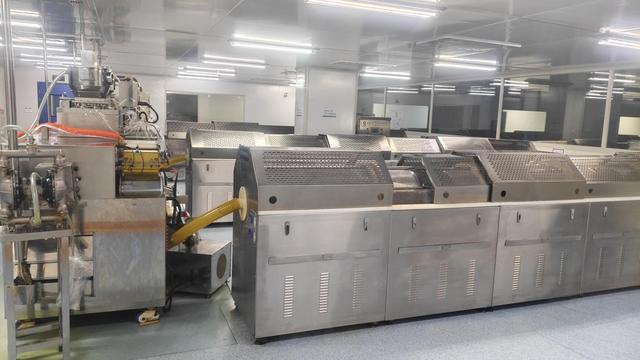
Ningbo Bolly biology Co., Ltd. is a leading China vegetal protein manufacturer specializing in high-quality plant protein ingredients for food and beverage applications. With a strong commitment to innovation, quality, and sustainability, the company provides comprehensive plant-based protein solutions to customers worldwide.
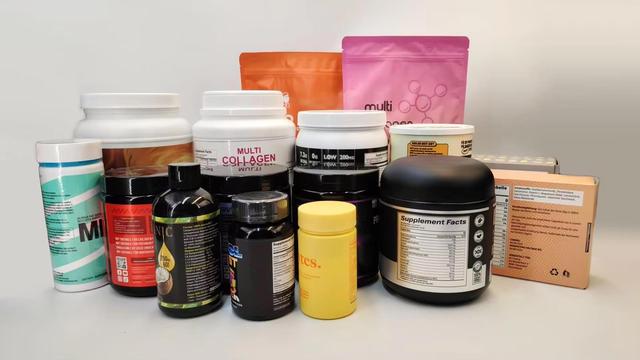
Leveraging advanced production technologies and strict quality management systems, Ningbo Bolly biology offers a diverse portfolio of vegetal protein ingredients, including soy protein, pea protein, rice protein, wheat protein, and other specialty plant proteins. These ingredients are widely used in functional foods, beverages, nutritional supplements, sports nutrition products, meat alternatives, dairy alternatives, bakery products, and health foods.
The company places great emphasis on research and development, continuously exploring new plant protein technologies to meet the evolving demands of the global food industry. Its experienced R&D team works closely with customers to develop customized ingredient solutions that enhance nutritional value, improve texture, optimize taste, and support clean-label product development.
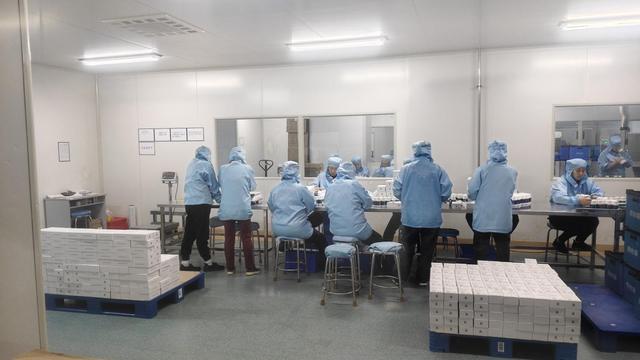
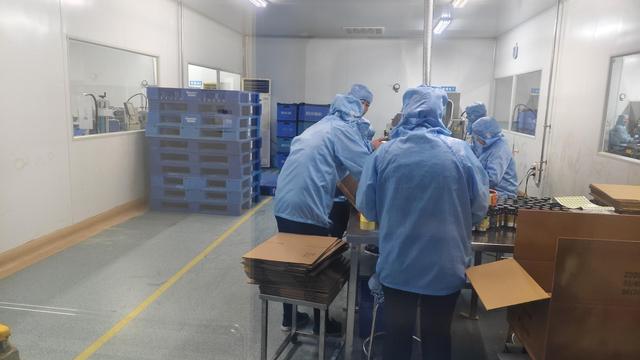
Quality and safety are at the core of Ningbo Bolly biology' operations. The company implements rigorous quality control procedures throughout the entire production process, ensuring that all products meet international standards and customer requirements. By maintaining consistent product quality and reliable supply capabilities, the company has established long-term partnerships with food manufacturers, distributors, and brand owners across multiple international markets.
Driven by customer satisfaction and sustainable development, Ningbo Bolly biology Co., Ltd. continues to deliver innovative vegetal protein solutions that help customers create healthier, more sustainable, and market-competitive food and beverage products worldwide.

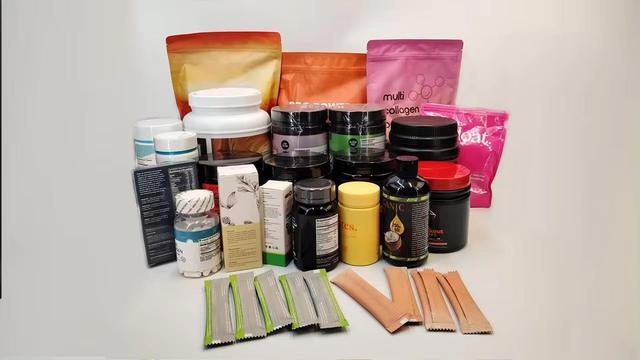
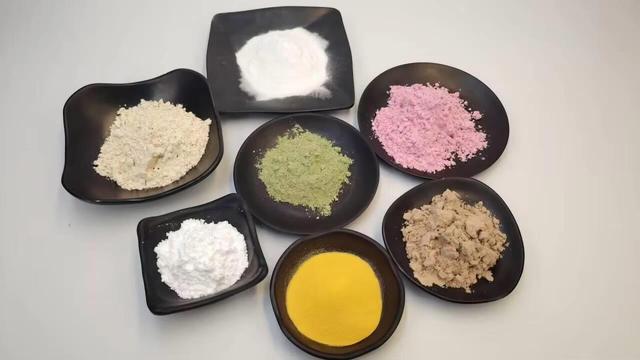
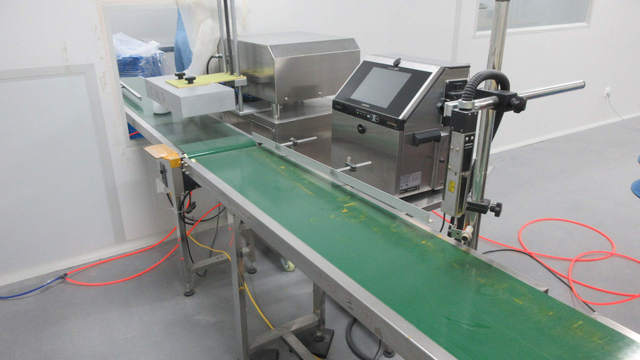
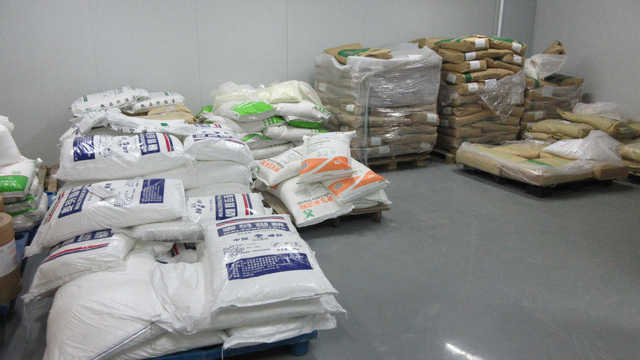

Global procurement directors evaluate fava bean protein manufacturers based on specific structural and analytical dimensions.
Top-tier manufacturers maintain direct-contract farming partnerships to trace raw fava beans from seed varieties to harvest, ensuring zero contamination by heavy metals or pesticide residues like glyphosate.
Fava beans contain naturally occurring hexanal compounds that cause off-notes. Leading processors employ mild thermal extraction combined with specific enzymolysis to deodorize the isolates without destroying proteins.
Highly soluble isolates are required for RTD (Ready-to-Drink) formulas. Suppliers are evaluated on their capacity to supply ultra-fine powders with high dispersion indices under neutral pH values.
Meeting local import, safety, and cultural certifications is crucial for global supply chain deployment.
Compliance with EFSA (European Food Safety Authority) Novel Food standards and US FDA GRAS (Generally Recognized as Safe) notifications. This forms the baseline requirement for importing fava bean proteins into Western markets.
Manufacturing facilities must carry ISO 22000, FSSC 22000, BRCGS, Halal, Kosher, and USDA Organic certifications to verify that the raw materials align with localized diet requirements and processing audits.
For individuals with G6PD deficiency, fava bean products must limit anti-nutritional factors (vicine and convicine). Leading global suppliers carry out advanced genetic selection and thermal processing to lower these to trace levels.
How fava bean protein will evolve to meet the next stage of global plant-based industrial demand.
The industrialization of fava bean protein isolate is moving rapidly from raw protein substitution to precise molecular modification. The research pipeline for 2025-2030 indicates a focus on enzymatic deamidation, which changes the protein structure to increase solubility in acid conditions (such as fruit juices and carbonated sports beverages). Additionally, manufacturers are co-extruding fava bean protein isolates with pea and rice proteins to achieve a balanced PDCAAS (Protein Digestibility-Corrected Amino Acid Score) of 1.0, matching the nutritional quality of animal-derived casein.
Addressing key technical and commercial considerations for sourcing and formulating with fava bean protein.
Browse our global wholesale line of grains, seeds, and protein concentrates to optimize your commercial formulas.
 Bolly Biology