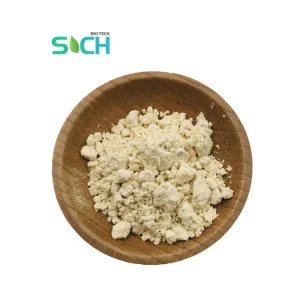
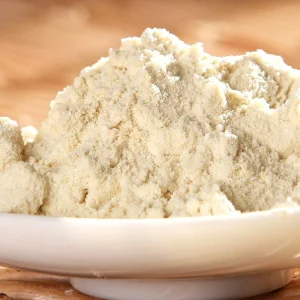
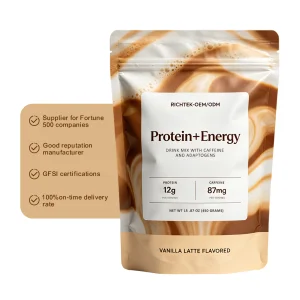
Top China Protein Bars Supplier & Suppliers

High-Performance Formulations & Premium Plant-Based Protein Ingredients for Global Brands

Enterprise-Grade Raw Materials for Protein Bars

Select high-purity vegetable proteins, isolates, peptides, and texturized matrices optimized for functional snack bar manufacturing.
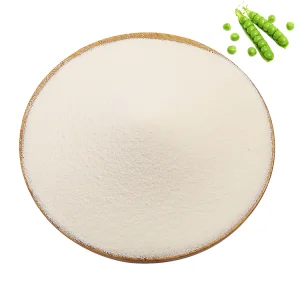
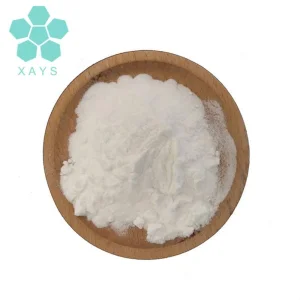
Halal Certified JIAYI Platinum Hydrolyzed Pea Protein Peptides

Halal Certified JIAYI Platinum Hydrolyzed Pea Protein Peptides 95% Protein Content Powder Water-Soluble Muscle Growth Natural

Learn More
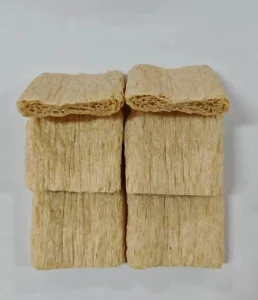
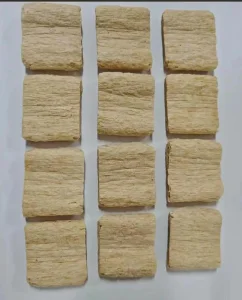
High Quality and High-performance Edible Non Genetically Tvp Modified Wheat

High Quality and High-performance Edible Non Genetically Tvp Modified Wheat Textured Vegetable Protein

Learn More
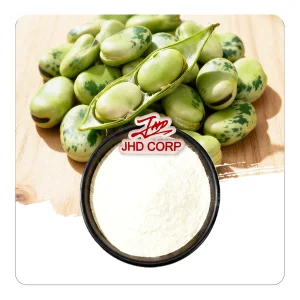
Best Price Fava Bean Protein Powder

Best Price Fava Bean Protein Powder Pure Broad Bean Protein Powder

Learn More
High Quality Non-GMO Wheat Textured Vegetable Protein

High Quality Non -Genetically Modified Wheat Raw Materials Textured Vegetable Protein

Learn More
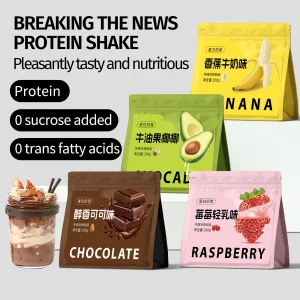
Protein Shake Private Label Multi-Taste Nutrition Milkshake

Protein Shake Private Label Multi-Taste Nutrition Milkshake Breakfast Cereal Meal Replacement Protein Diet Shake Powder

Learn More
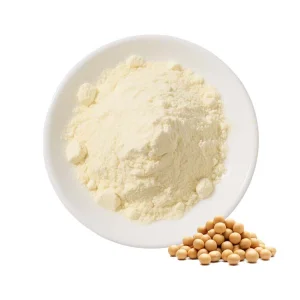
Food Grade Soy Protein Isolate

Food Grade Soy Protein Isolate /isolated Soy Protein Powder for Sale

Learn More
Natural Bulk Potato Extract Powder

Natural Bulk Potato Extract Powder High Purity 90% Isolate Potato Protein Powder

Learn More
USA/EU Warehouse Wholesale Vegan Fava Bean Protein Powder

USA/EU Warehouse Wholesale Vegan 90% 90% Fava Bean Protein Powder

Learn More

Global Strategic Overview of the Protein Bar Market

Decoding market shifts, plant protein convergence, and functional optimization drivers for leading food brands.

Global Shift to Plant-Based

The protein bar landscape is undergoing a permanent transition from whey and dairy derivatives to plant-derived alternatives. Rapidly expanding consumer segments—driven by lactose intolerance, allergen avoidance, and clean-label preferences—are driving demand for Pea Protein Peptides, Fava Bean Protein, and Rice Protein Isolates. Innovators need clean-tasting, non-gritty ingredients to secure consumer retention.

Strict B2B Procurement Standards

In international functional nutrition sourcing, zero cross-contamination and transparency are non-negotiable. Leading Western importers mandate strict Halal, Kosher, and Non-GMO certifications. Managing toxicological parameters (heavy metals, pesticide residues, glyphosates) in high-volume plant protein inputs is essential to prevent regulatory recalls at global borders.

The Challenge of Bar Hardening

The primary technical hurdle in protein bar formulation is the shelf-life stability of the crumb matrix. Over time, protein particles absorb moisture from the surrounding lipid and carbohydrate networks, resulting in product hardening. Selecting advanced raw materials like enzymatic hydrolyzed pea peptides minimizes this moisture migration, extending shelf-life while preserving a soft chew.

China Factory 4.0: Sourcing Resilience & Efficiency

Harnessing deep technological integration and strategic location advantages to secure reliable ingredient supplies for global food manufacturers.

95%+ Peptide Purity Rates
ISO 22000 Quality Operations Standard
30+ Export Destination Markets
<0.1% Batch-to-Batch Deviation

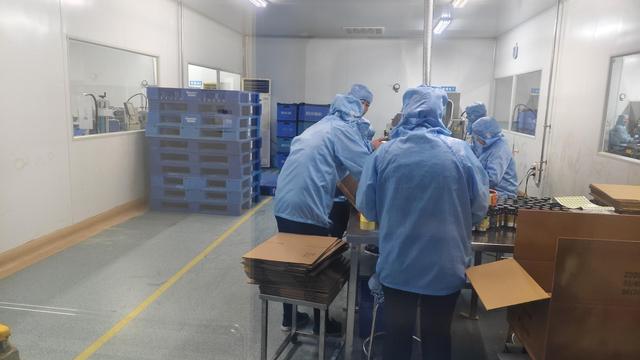
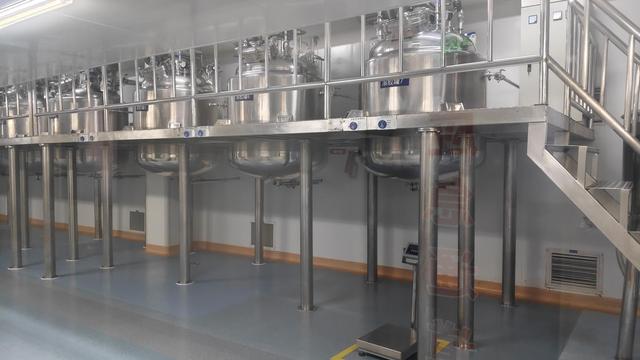
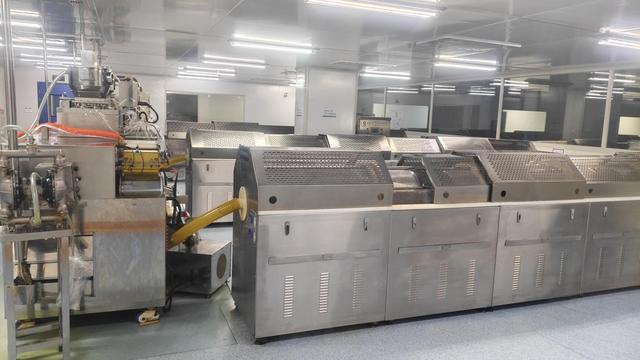
In modern industrial food manufacturing, supply chain resilience is as critical as cost efficiency. Leveraging China's highly consolidated raw material clusters, advanced automation, and proximity to major deep-water ports (such as the Port of Ningbo), manufacturers achieve reliable supply continuity. Deep physical-chemical integration ensures that raw grains undergo continuous extraction, wet milling, and enzymatic separation in closed loops, reducing microbial risks and optimizing processing yields.

This automated ecosystem translates to significant cost mitigation and consistent specifications. By managing critical points—from seed genetics to advanced spray-drying systems—China's modern plant protein plants serve as key manufacturing hubs for developers of protein bars, nutritional powder formulas, and clean-label dietary foods worldwide.

Formulation Optimization: The Science of High-Protein Snack Bars

Creating functional, market-winning protein bars requires balancing nutritional targets, sensory profiles, and processing performance. Standard proteins can result in dry, chalky textures or unpleasant earthy off-flavors, requiring excessive flavoring agents or sweeteners.

By using customized combinations of plant proteins, R&D teams can achieve superior results:

  • Mung Bean & Fava Bean Protein Isolates: Offer excellent emulsification and water-binding profiles, ensuring a smooth mouthfeel and preventing fat migration in nut-butter-filled formulations.
  • Hydrolyzed Pea Protein Peptides: Feature lower molecular weights for quick absorption, high solubility, and reduced viscosity, making them ideal for high-protein bars.
  • Wheat & Soy Textured Vegetable Proteins (TVP): Create crispy inclusions, offering crisp texture alternatives to traditional rolled oats or puffed rice.

Whether formulating a high-fiber vegan meal replacement or a low-carb sports nutrition bar, selecting the right raw material matrices is key to optimizing production runs and ensuring consumer satisfaction.

Optimized Formulation Scenarios

Keto & Low-GI Bars

Incorporate potato and fava bean isolates to achieve low glycemic index scores while maintaining high protein density without sugar alcohols.

Allergen-Free Formulations

Utilize chickpea and mung bean isolate bases to eliminate standard allergens (soy, wheat, dairy), catering to health-conscious markets.

Texturized Crisp Systems

Add clean-label non-GMO textured wheat protein crisps to introduce crunchy textures while increasing the overall protein-to-carb ratio.

Ningbo Bolly Biology Co., Ltd.

A pioneer in plant protein science, driving global innovation and reliable supply chains.

Ningbo Bolly biology Co., Ltd. is a leading China vegetal protein manufacturer specializing in high-quality plant protein ingredients for food and beverage applications. With a strong commitment to innovation, quality, and sustainability, the company provides comprehensive plant-based protein solutions to customers worldwide.

Leveraging advanced production technologies and strict quality management systems, Ningbo Bolly biology offers a diverse portfolio of vegetal protein ingredients, including soy protein, pea protein, rice protein, wheat protein, and other specialty plant proteins. These ingredients are widely used in functional foods, beverages, nutritional supplements, sports nutrition products, meat alternatives, dairy alternatives, bakery products, and health foods.

The company places great emphasis on research and development, continuously exploring new plant protein technologies to meet the evolving demands of the global food industry. Its experienced R&D team works closely with customers to develop customized ingredient solutions that enhance nutritional value, improve texture, optimize taste, and support clean-label product development.

Quality and safety are at the core of Ningbo Bolly biology' operations. The company implements rigorous quality control procedures throughout the entire production process, ensuring that all products meet international standards and customer requirements. By maintaining consistent product quality and reliable supply capabilities, the company has established long-term partnerships with food manufacturers, distributors, and brand owners across multiple international markets.

Driven by customer satisfaction and sustainable development, Ningbo Bolly biology Co., Ltd. continues to deliver innovative vegetal protein solutions that help customers create healthier, more sustainable, and market-competitive food and beverage products worldwide.
Advanced Plant Protein Compounds & Custom Concentrates

Broad-spectrum functional powders, spirulina fractions, mung bean extracts, and high-performance feeds.
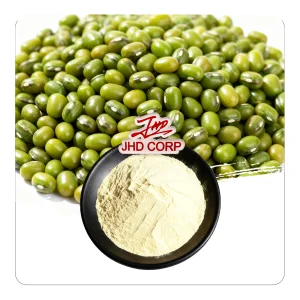
KOSHER/HALAL Certified Food Grade Herbal Extract Mung Bean Protein Powder

KOSHER/HALAL Certified Food Grade Herbal Extract Mung Bean Protein Powder Non-GMO Conventional Plant-Based Free Sample Drum

Learn More
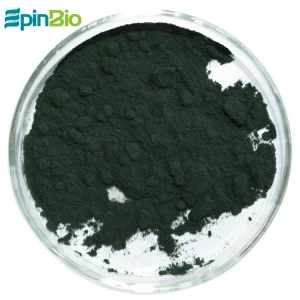
Wholesale 100% Natural Rich Protein Spirulina Powder

Wholesale 100% Natural Rich Protein 60%~70% Spirulina Powder

Learn More
Natural Hemp Seed Protein Powder

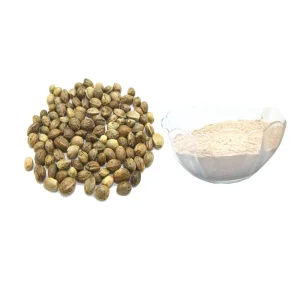
Natural Hemp Seed Protein Powder Hemp Protein Powder 50%-70%

Learn More
Hydrolyzed Rice Protein Powder Natural Isolate

Hydrolyzed Rice Protein Powder Natural Isolate Concentrate Food Grade 80% 90% Rice Protein

Learn More
Supply Free Sample Vegan Protein Pure Natural Isolate Powder

Supply Free Sample Vegan Protein Pure Natural Isolate Powder 80% Chickpeas Protein Concentrate Powder With Best Price

Learn More
Wholesale Bulk Vegan Chickpea Protein Supplement

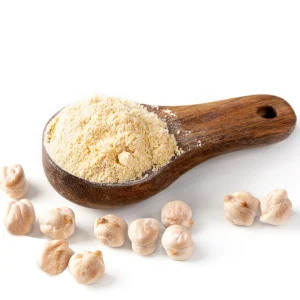
Wholesale Bulk Vegan Chickpea Protein Supplement 80% Chickpea Protein Powder

Learn More
Feed Grade Concentrated Soy Protein for Animals

Feed Grade Concentrated Soy Protein for Animals

Learn More
OEM Private Label Plant-Based Protein Powder

OEM Private Label Plant-Based Protein Powder Energy Support Vegan Protein Powder Supplement Natural Powder

Learn More

Frequently Asked Questions

Key technical answers for brand owners, food R&D engineers, and enterprise B2B buyers.

1. What causes protein bars to harden over time, and how does your material resolve this?
Protein bar hardening occurs when protein particles absorb moisture from the surrounding lipid and carbohydrate phase, creating hard protein-protein aggregate structures. Ningbo Bolly Biology addresses this by supplying enzymatically hydrolyzed proteins, such as Hydrolyzed Pea Protein Peptides 95%. Enzymatic hydrolysis reduces molecular weights and optimizes water-binding capacity, minimizing internal moisture migration to keep the bar matrix soft throughout its shelf life.
2. Why use plant protein combinations (e.g., Pea and Rice) instead of a single plant protein base?
Combining plant proteins improves both the nutrition and sensory profile of the bar. A blend of pea and rice proteins provides a complete amino acid profile (similar to whey), compensating for individual deficits in lysine and sulfur-containing amino acids (methionine/cysteine). Sensorially, blending different proteins dilutes distinct notes (such as pea's earthiness or rice's graininess), creating a more balanced, neutral taste profile.
3. What quality certifications do your plant protein ingredients hold for international trade?
Our plant protein processing lines comply with international B2B regulations. Ningbo Bolly Biology maintains certifications including Halal, Kosher, ISO 22000, and HACCP. Each production lot comes with a detailed Certificate of Analysis (COA) specifying protein content, heavy metal safety thresholds (Lead, Arsenic, Cadmium), and zero-pathogen microbial counts.
4. How does Textured Vegetable Protein (TVP) benefit protein bar production?
Textured Vegetable Protein (like textured wheat or soy protein) provides structural variety. Instead of soft, paste-like textures, TVP acts as a high-protein, low-carb replacement for rolled grains or crisp rice. It adds a satisfying crunch, increases structural integrity, and enables the development of high-density protein snack bars without excessive sugars.
5. Can you accommodate customized particle sizing and bulk packaging specifications?
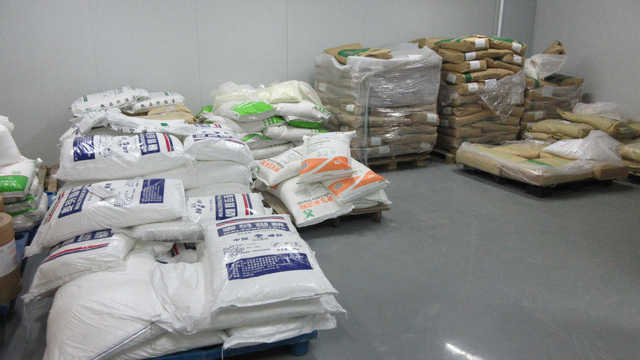
Yes, our advanced milling and processing facilities support custom physical specifications. We offer various mesh configurations (from fine powders for meal shakes to custom textures for bars) to meet specific recipe needs. Packaging is available in standard multi-layer kraft paper bags (20kg/25kg) with protective liners, as well as bulk super sacks for high-output automatic manufacturing lines.
6. How does Ningbo Bolly Biology ensure non-GMO purity across processing cycles?
We maintain strict traceability from raw materials to final packaging. By partnering with audited farms and using dedicated processing lines, we prevent cross-contact with genetically modified crops. Batch testing validates the non-GMO status of our raw pea, chickpea, mung bean, and wheat proteins, meeting strict import criteria for the EU, UK, and North American markets.