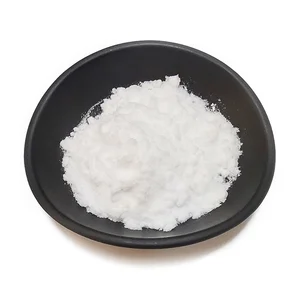
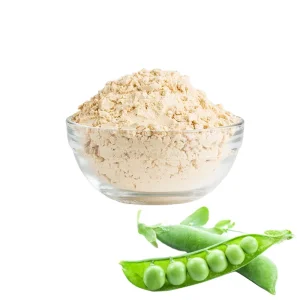
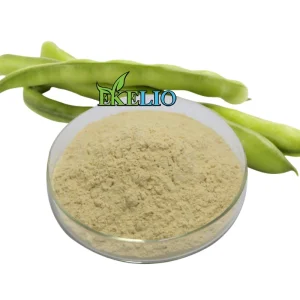
Discover our highly optimized industrial vegetal proteins, manufactured in compliance with international food safety frameworks and designed for maximum biological value.
As shifting consumer values merge with progressive food science, the global plant protein segment has evolved from a niche alternative to an industrial standard. Brands require functional, CE certified protein blends that deliver sensory neutrality, superior dispersibility, and structured amino acid profiles.
Single-source plant proteins often lack optimal proportions of essential amino acids like methionine or lysine. Modern industrial formulation relies on synergistic blending (e.g., combining pea and rice proteins) to achieve a PDCAAS (Protein Digestibility-Corrected Amino Acid Score) value of 1.0, rivaling traditional dairy inputs.
For markets like the European Union, CE Certification, non-GMO assurance, and allergen declarations are no longer optional. Importers require transparent supply chains that prove trace heavy metal levels, microbiological safety, and compliance with EFSA and FDA directives.
The contemporary consumer demands natural processing. This trend has catalyzed the growth of raw materials that bypass traditional chemical extraction, favoring natural bio-fermentation and gentle mechanical cold-pressing techniques to preserve organic integrity.
Ningbo Bolly biology Co., Ltd. is a leading China vegetal protein manufacturer specializing in high-quality plant protein ingredients for food and beverage applications. With a strong commitment to innovation, quality, and sustainability, the company provides comprehensive plant-based protein solutions to customers worldwide.
Leveraging advanced production technologies and strict quality management systems, Ningbo Bolly biology offers a diverse portfolio of vegetal protein ingredients, including soy protein, pea protein, rice protein, wheat protein, and other specialty plant proteins. These ingredients are widely used in functional foods, beverages, nutritional supplements, sports nutrition products, meat alternatives, dairy alternatives, bakery products, and health foods.
The company places great emphasis on research and development, continuously exploring new plant protein technologies to meet the evolving demands of the global food industry. Its experienced R&D team works closely with customers to develop customized ingredient solutions that enhance nutritional value, improve texture, optimize taste, and support clean-label product development.
As global supply networks tighten, Chinese manufacturing hubs like Ningbo Bolly Biology optimize the balance between raw material processing efficiency and rigorous technical execution. Our infrastructure leverages regional industrial clusters to guarantee consistency.
By implementing advanced multi-stage physical separation and low-temperature membrane filtration, our facilities preserve the fragile functional attributes of vegetal proteins while achieving isolate yields of up to 90% dry basis purity.
Proximity to raw materials and highly integrated port networks lower transportation overheads. Our localized raw processing and energy-efficient spray dryers secure cost-effectiveness without diminishing chemical or physical metrics.
We provide tailormade particle sizes (mesh size modifications for optimal mouthfeel), enzyme-treated solubility adjustments, and clean-label flavor-masking solutions designed specifically to reduce off-notes in protein beverages.
From texturized alternatives in North American supermarkets to bioactive cosmetic formulations in European laboratories, our diverse protein range matches specific operational and functional requirements.
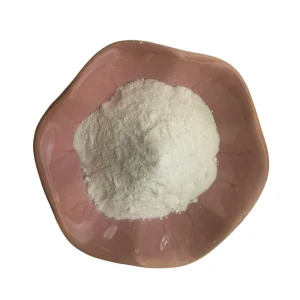
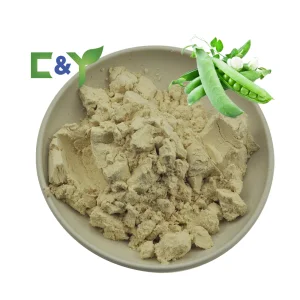
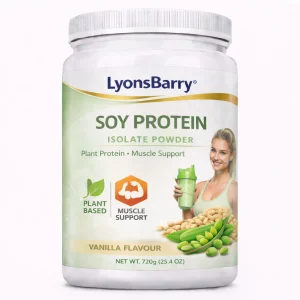
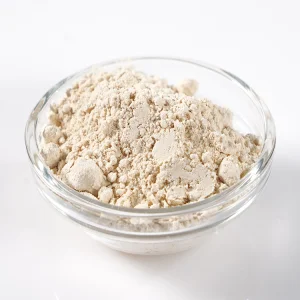
Our fermented pea protein isolates and non-GMO soy protein isolates are optimized for minimal dusting and rapid wettability. They provide complete amino acid spectrums to stimulate muscle protein synthesis without inducing gastrointestinal stress.
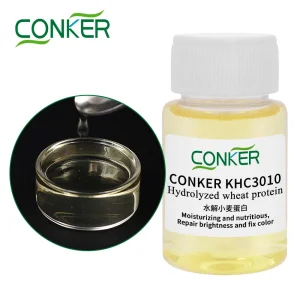
Leveraging specialized enzymatic hydrolysis, we reduce wheat and pea proteins into low-molecular-weight peptides. These compounds demonstrate high binding affinities to keratin, establishing film-forming protection and moisture retention in premium formulations.
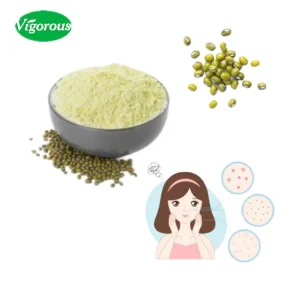
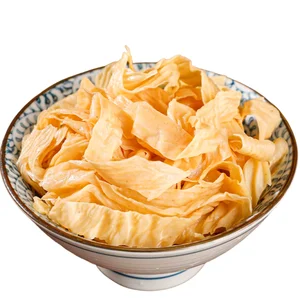
Texturized vegetable protein (TVP) soy formulations offer excellent water-binding capacity and elastic fibrous textures. Additionally, our mung bean isolates provide robust thermal gelation and whipping traits for clean-label egg and dairy replacements.
Strategic sourcing of plant proteins requires looking beyond unit pricing. Industrial procurement managers prioritize risk mitigation, sustainability credentials, and physical-chemical adaptability.
Global brands are implementing scope 3 emission goals. Plant-based protein alternatives naturally consume less land and water compared to animal-based options, but suppliers must now offer detailed LCA (Life Cycle Assessment) data.
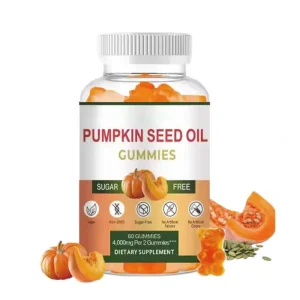
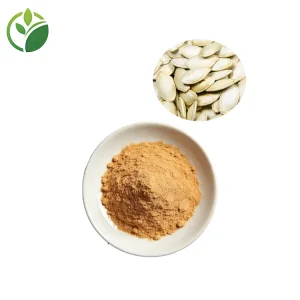
While soy and wheat remain dominant functional tools, buyers are actively diversifying to include hypo-allergenic botanical bases such as pumpkin seed extract, hemp protein, and potato isolates to capture sensitive consumer demographics.
Modern developers specify functional attributes (such as gel strength, oil absorption index, and foaming stability) over crude protein percentage alone. The capability to adjust these physical traits during processing is critical.
Sourcing from vertical manufacturers who maintain local agricultural contracts guarantees traceability, prevents cross-contamination, and protects against international price spikes.
Our technical engineers answer common questions concerning formulation, regulatory compliance, and raw material selection.
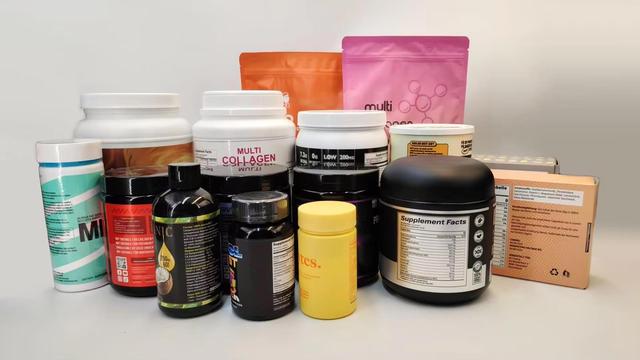
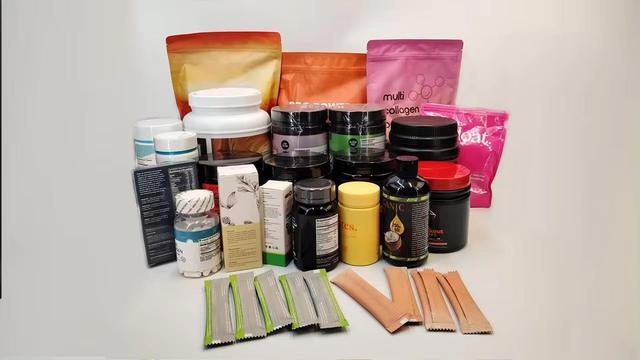
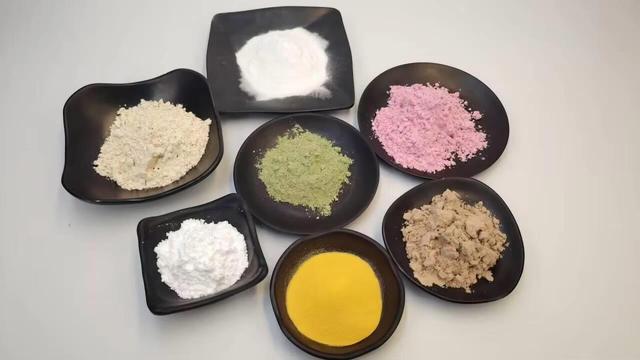
Extend your product portfolios with our specialized plant extracts and high-purity protein components engineered for optimal biological absorption.
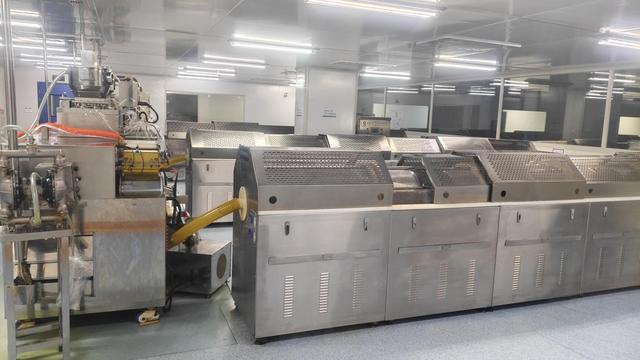
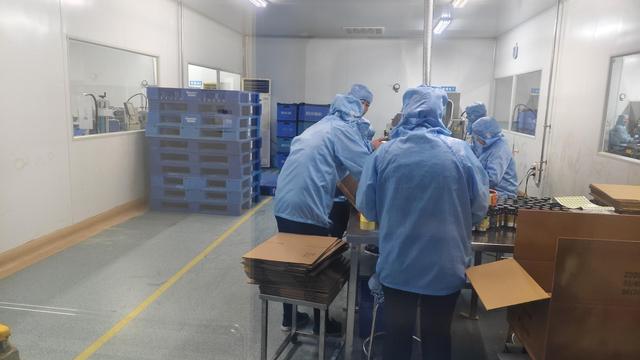
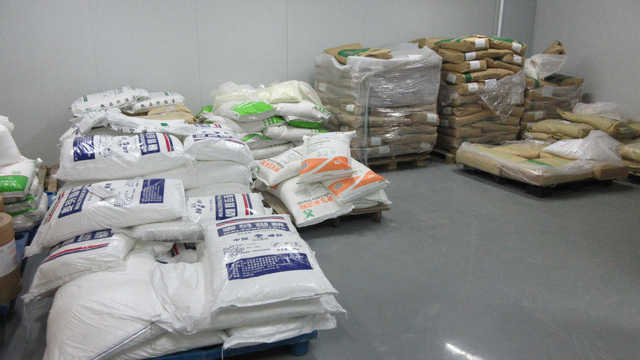
Step inside Ningbo Bolly Biology's production facilities. Our processing setups utilize automated separation systems, physical refining zones, and rigorous testing setups to maintain consistent batch purity.




 Bolly Biology