Bolly Biology
1 / 5
| ITEM | SPECIFICATION | RESULT |
|---|---|---|
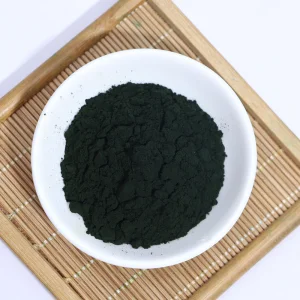
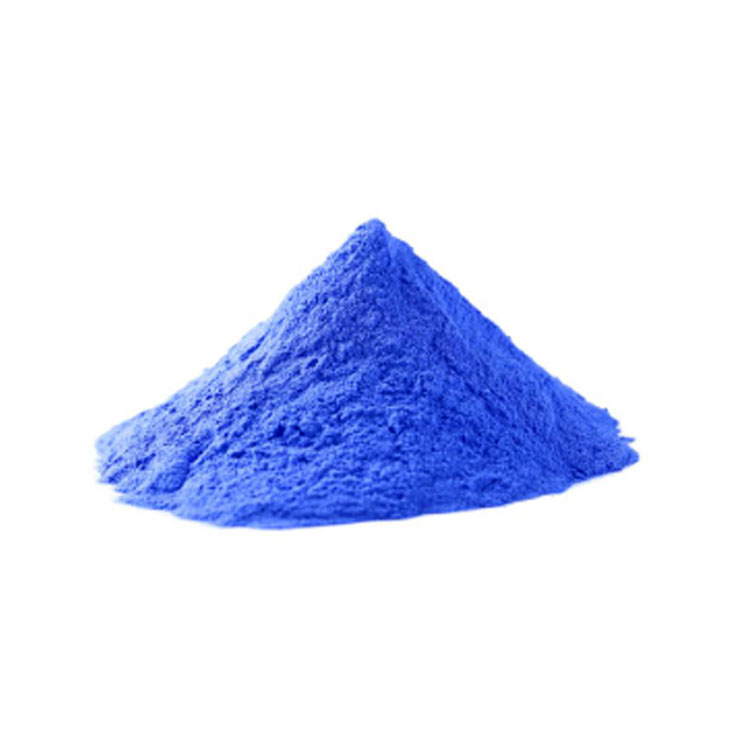
| Appearance | Blue Powder | Complies |
| Odor | Characteristic | Complies |
| Particle size | 100% pass through 60-100 mesh sieve | Complies |
| Bulk Density | 45.0g/100mL~65.0 g/100mL | 63.1 g/100mL |
| Color Reaction | Positive Reaction | Complies |
| Loss on drying(5h at 105℃) | <5.0% | 4.32% |
| Ash(3h at 600℃) | <5.0% | 4.19% |
| Heavy metals(as Pb) | <10ppm | Complies |
| Arsenic(as AS2O3) | <1ppm | Complies |
| Total bacterial count | Max.100cfu /g | Complies |
| Yeast & Mould | Max.100cfu /g | Complies |
| Escherichia coli presence | Negative | Complies |
| Salmonella | Negative | Complies |
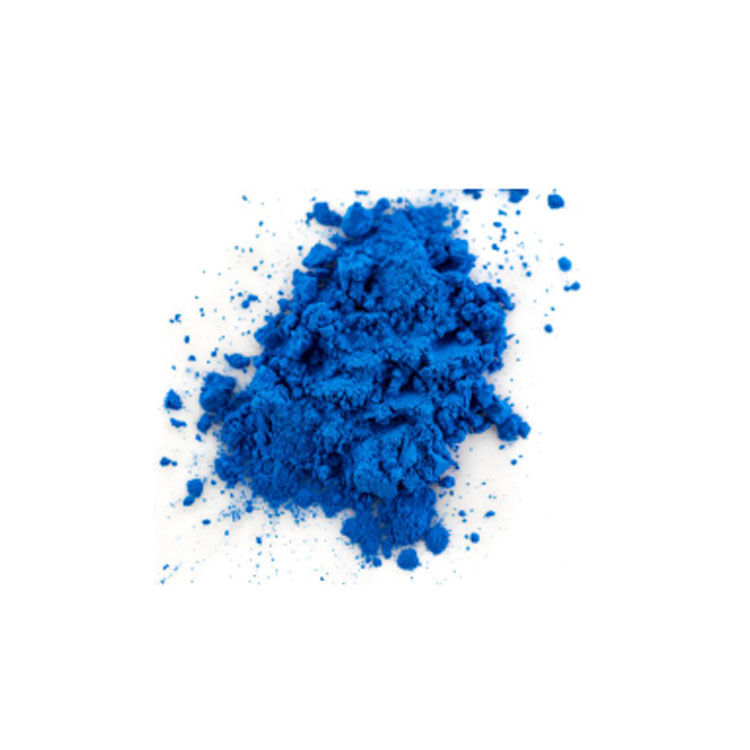
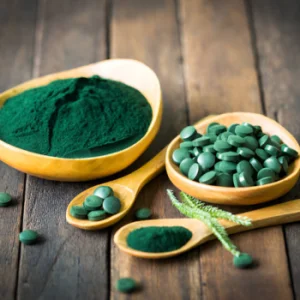
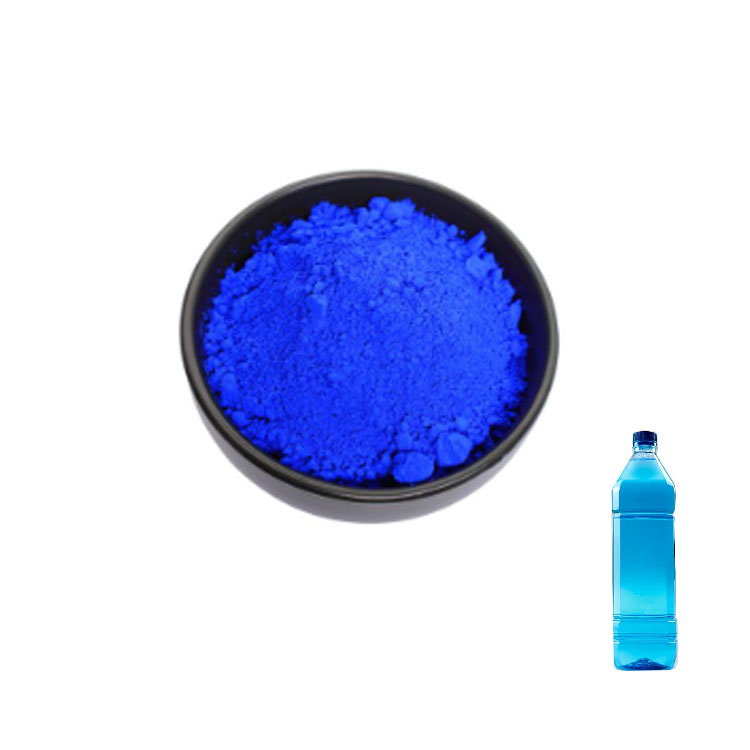
Blue Spirulina Powder is an intracellular protein that is separated by breaking spirulina cells and dissolving them into the extraction solution for precipitation. It is named Blue Spirulina Powder because it turns blue after extraction. Many people may think that phycocyanin is just a natural pigment extracted from spirulina, ignoring that phycocyanin contains eight essential amino acids for the human body. Consuming phycocyanin is very beneficial for the human body.