High-quality functional proteins, seeds, and microalgae solutions direct from certified manufacturing lines. Optimized for peak bioavailability and industrial solubility.
As global food systems transition toward decarbonization, microalgae—specifically Arthrospira platensis (Spirulina)—has emerged as a foundational building block for the bio-economy.
Unlike traditional agricultural protein crops like soy or wheat, which require vast expanses of arable land and high nitrogen inputs, Spirulina boasts a protein yield per acre that is 10 to 20 times higher than soy. It thrives in alkaline water environments, capturing carbon dioxide via high-efficiency photosynthesis and transforming it into a high-density, bio-available protein complex containing all essential amino acids.
The industrial scaling of Spirulina processing requires strict control of environmental variables. Top-tier manufacturers leverage specialized photobioreactors and closed-loop runway ponds, integrating clean energy grids and state-of-the-art purification technologies. As demand skyrockets across the sports nutrition, aquaculture, and functional food sectors, identifying leading B2B partners who can balance massive capacity with absolute batch purity has become critical for global sourcing directors.
For procurement and R&D divisions, navigating the global manufacturing ecosystem is critical to ensuring raw materials align with safety, solubility, and price stability standards.
The global manufacturing landscape of Spirulina protein is highly consolidated, dominated by regions that offer stable warm climates, high sunlight indices, and mature biochemical extraction infrastructures. Leading facilities are primarily clustered in three geographic belts: East Asia (particularly China's pristine high-alkaline lakes and industrial fermentation zones), North America (controlled desert raceway systems in California and Hawaii), and Southern Asia (agricultural microalgae farms in India).
When evaluating the "Top 10" factories and exporters, top-tier B2B buyers look beyond capacity metrics. True industry leaders are distinguished by their downstream extraction technologies. These include advanced low-temperature spray drying (to prevent protein denaturation), supercritical fluid extraction, and mechanical bead-mill disruption of cell walls to optimize digestibility. Below is a structural matrix showcasing the performance indicators of elite global microalgae protein processors:
| Manufacturer Segment | Primary Production Area | Extraction Efficiency (%) | Certifications & Compliance | Key Application Focus |
|---|---|---|---|---|
| High-Tech Industrial Bioreactor Parks | China (North & Northwest regions) | 85% - 92% | ISO 22000, FSSC 22000, USDA Organic | Sports Nutrition Isolate, Pharma Grade Phycocyanin |
| Desert Raceway Farms | USA (West Coast / Hawaii) | 80% - 88% | FDA GRAS, Kosher, Non-GMO Verified | Premium Dietary Supplements, Clean-Label Food |
| Tropical Outdoor Ponds | Southern India / SE Asia | 75% - 83% | GMP, Halal, Organic (NPOP) | Aquaculture Nutrition, Feed Additives, Food Grade Powders |
| Integrated Vegetal Protein Synthesizers | Eastern China (e.g., Ningbo Hubs) | 90% - 96% (Blended/Isolates) | FSSC 22000, BRC, HACCP, FDA Registered | Plant-Based Dairy/Meat Alternatives, Custom Functional Powders |
As a pivotal player in the global vegetal protein sector, Ningbo Bolly biology Co., Ltd. is a leading China vegetal protein manufacturer specializing in high-quality plant protein ingredients for food and beverage applications. With a strong commitment to innovation, quality, and sustainability, the company provides comprehensive plant-based protein solutions to customers worldwide.
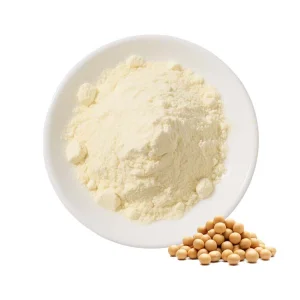
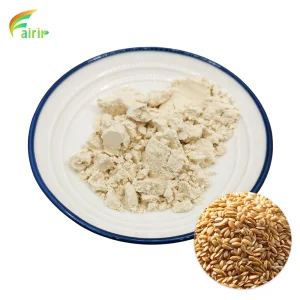
Leveraging advanced production technologies and strict quality management systems, Ningbo Bolly biology offers a diverse portfolio of vegetal protein ingredients, including soy protein, pea protein, rice protein, wheat protein, and other specialty plant proteins. These ingredients are widely used in functional foods, beverages, nutritional supplements, sports nutrition products, meat alternatives, dairy alternatives, bakery products, and health foods.
The company places great emphasis on research and development, continuously exploring new plant protein technologies to meet the evolving demands of the global food industry. Its experienced R&D team works closely with customers to develop customized ingredient solutions that enhance nutritional value, improve texture, optimize taste, and support clean-label product development.
Quality and safety are at the core of Ningbo Bolly biology' operations. The company implements rigorous quality control procedures throughout the entire production process, ensuring that all products meet international standards and customer requirements. By maintaining consistent product quality and reliable supply capabilities, the company has established long-term partnerships with food manufacturers, distributors, and brand owners across multiple international markets.
Driven by customer satisfaction and sustainable development, Ningbo Bolly biology Co., Ltd. continues to deliver innovative vegetal protein solutions that help customers create healthier, more sustainable, and market-competitive food and beverage products worldwide.
Commercialization of microalgae protein requires transforming cellular material into a highly functional powder with minimal organoleptic off-notes and maximum digestibility.
Spirulina culture is concentrated via microfiltration membranes, followed by multiple fresh water washes to remove residual salts, external metals, and mineral inputs.
High-pressure mechanical cell disruption breaks down the tough multi-layered peptidoglycan cell walls, releasing intracellular proteins and C-phycocyanin complexes.
Utilizing pH-shifting precipitation and eco-friendly enzymatic hydrolysis to isolate targeted protein fractions, separating structural starches and lipids.
Optimized spray-drying nozzles convert the concentrated liquid extract into an instantly dispersible, stable powder without compromising bio-active molecules.
To ensure complete cell rupture and extract high-purity protein fractions, manufacturers often deploy specialized equipment. These include advanced industrial separation centrifuges and solvent extractors, similar to those utilized in potato, wheat, and legume protein isolation lines (such as the Potato Protein Plant Extraction Equipment). Standardizing these mechanical routes ensures uniform particle sizes, which in turn improves the water retention capacity (WRC) and oil absorption capacity (OAC) of the final ingredient powders.
How distinct product development sectors deploy plant proteins to solve nutritional, environmental, and physical product challenges.
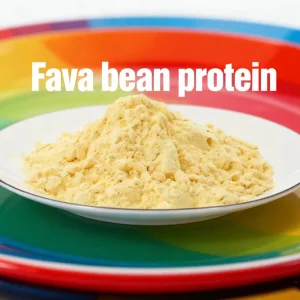
By blending highly digestible Spirulina powder with legume protein isolates (such as 90% Fava Bean or Pea Protein), developers achieve a PDCAAS (Protein Digestibility-Corrected Amino Acid Score) value of 1.0. This makes it ideal for performance recovery formulas and post-workout protein shakes.
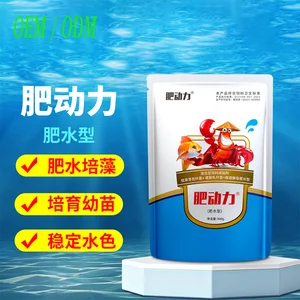
In modern aquacultural environments, maintaining clean sediment while promoting survival is critical. Using algae-balancing nutrition solutions—specifically engineered to improve and enhance sediment environments—ensures optimal microflora levels and high-protein feed uptake without polluting bottom soil.
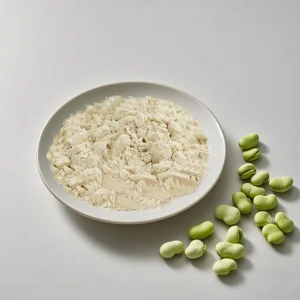
Substituting egg whites in clean-label bakeries requires high whipping stability. Custom vegetal proteins like Organic Fava Bean Flour Protein 90% provide the necessary foaming capacity, mechanical emulsion stability, and high water-holding capacity needed for vegan pastries.
B2B procurement of microalgae protein mandates deep compliance frameworks due to the biological tendency of algae to bioaccumulate heavy metals.
To enter premium regulated markets—including the United States (FDA), European Union (EFSA), and East Asia—manufacturers must maintain highly controlled processing conditions. This involves running continuous inductively coupled plasma mass spectrometry (ICP-MS) assays to confirm heavy metals (Lead, Arsenic, Cadmium, Mercury) fall far below global safety limits (e.g., Lead < 0.5 ppm, Cadmium < 0.1 ppm).
Furthermore, agricultural runoff can contaminate open ponds, necessitating rigorous testing for microcystins (cyanotoxins), pesticide residues, and microbial pathogens like Salmonella. Leading exporters like Ningbo Bolly Biology ensure their clean-room processing environments hold GFSI-recognized certifications (FSSC 22000, BRC), alongside Kosher, Halal, and USDA Organic badges. This level of quality assurance guarantees smooth customs clearance and protects brand reputation in high-value functional markets.
R&D and procurement officers address standard challenges related to microalgae quality, function, and formulation integration.
Broaden your formulation profiles with our full portfolio of vegetable isolates, processing technologies, and organic seed derivatives.
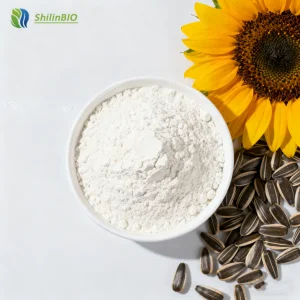
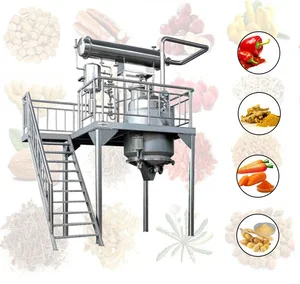
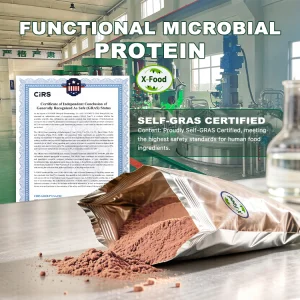
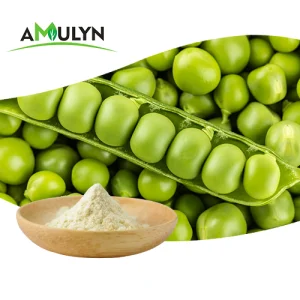
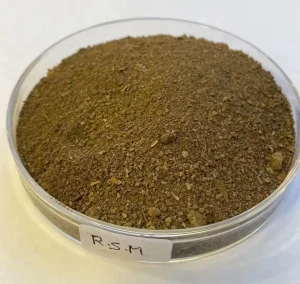
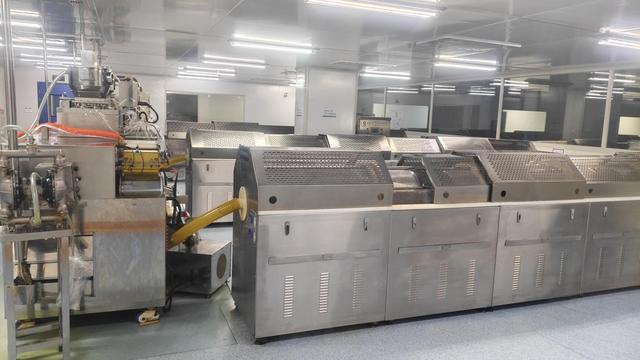
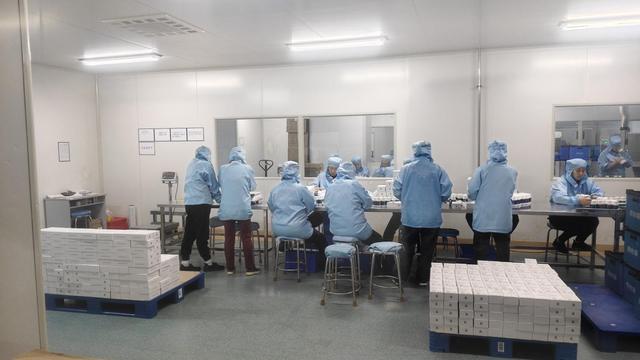
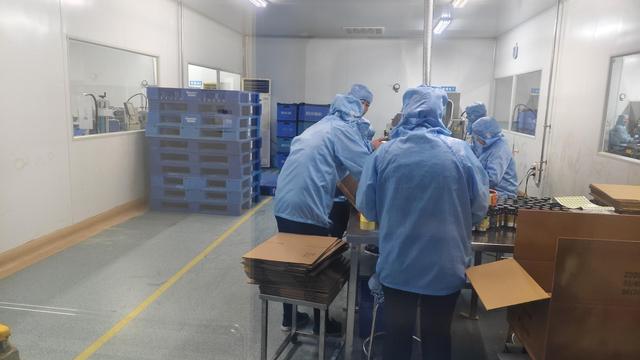
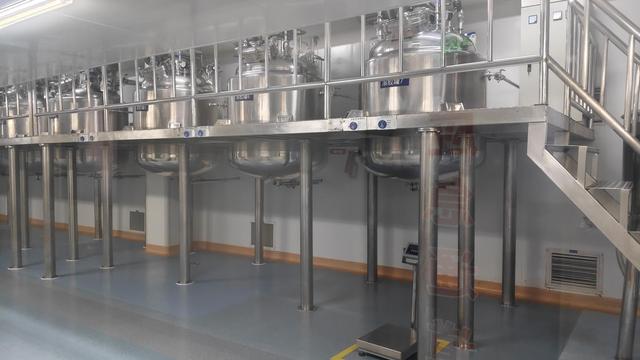
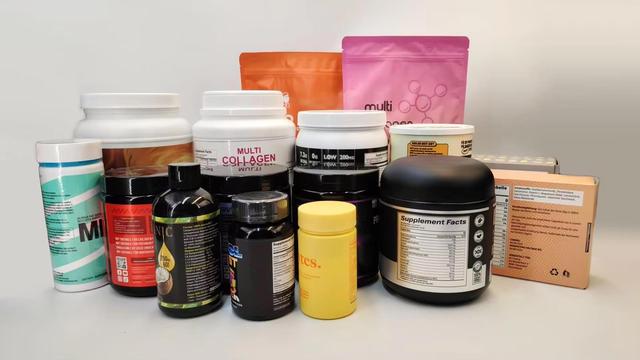
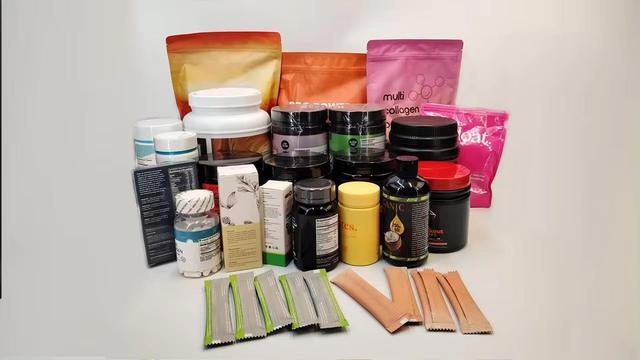
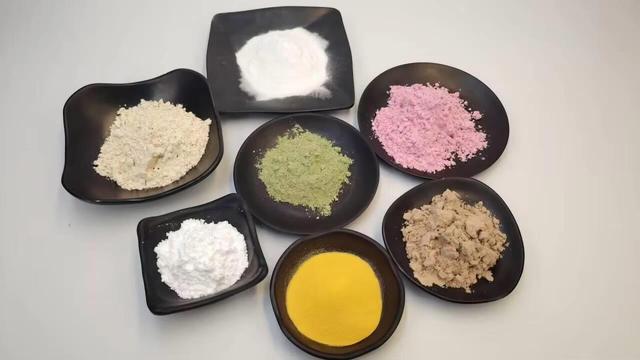
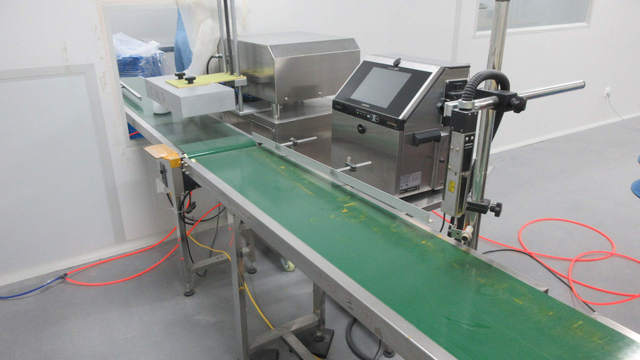
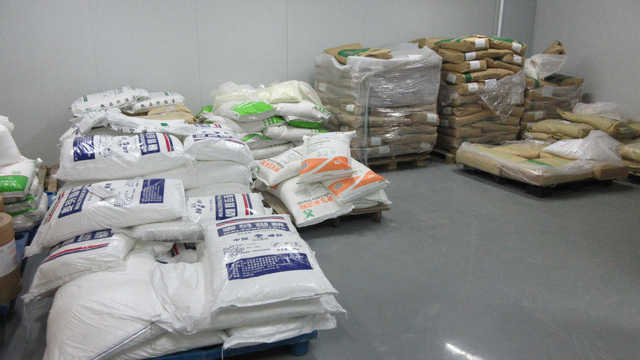
Visual evidence of our commitment to GMP facility design, closed-pond management, and systematic microalgae processing lines.

 Bolly Biology